Independent sourcing. Better connections.Commercial buyers · Bulk ingredients
topic

Bulk feed sourcing

A focused bulk feed sourcing topic featuring black soldier fly larvae meal, with guidance on processing form, lot analysis, feed-use evidence and delivery considerations.

1 ingredients3 published Insights
EXPLORE THE COLLECTION

Bulk feed sourcing ingredients

A focused collection, not a broad feed range

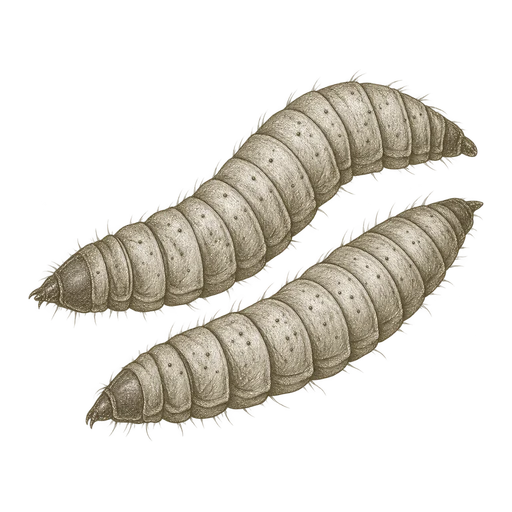
Bulk feed sourcing covers many ingredient types, but this collection has one supplied member: black soldier fly larvae meal, made from Hermetia illucens larvae. It is an animal-feed ingredient, and the collection should not be read as a comparison of different feed meals or as a statement about current availability.

The useful sourcing distinction is the product’s processing form. Full-fat, partially defatted and highly defatted meals can have different nutrient profiles. Values reported for one form or lot should not be assumed to describe another.

Match the lot to the ration and delivery plan

When comparing offers, request a lot-specific analysis and check whether results are reported on an as-fed or dry-matter basis. Protein, fat, moisture and ash help identify the material; amino-acid or digestibility information may also matter to the formulation. Confirm the form and relevant processing details rather than comparing a full-fat meal directly with a defatted one using a single headline value.

Use evidence suited to the target species and intended market. Research has evaluated this ingredient in poultry and aquaculture diets, but performance depends on composition, processing and inclusion. For bulk delivery, also agree on packaging, transport, storage instructions and shelf life for the particular product; these are not uniform across all meals.

Common questions.

Which ingredient is included in this collection?+

The supplied member is black soldier fly larvae meal. The collection does not represent a range of different feed ingredients.

Why distinguish full-fat from defatted larvae meal?+

Defatting changes the meal’s nutrient profile, so analysis from one form should not be used as a specification for another. Confirm the form and review the offered lot’s analysis.

What should I compare in a bulk offer?+

Compare the processing form, lot-specific protein, fat, moisture and ash results, and whether values are on an as-fed or dry-matter basis. Check species-relevant formulation evidence and agree on delivery and storage details for the product.

Bulk feed sourcing · BUYER INSIGHTS

Go deeper before you source.

Focused guides to the specification, application, and delivery questions behind this ingredient.