
Independent sourcing. Better connections.Commercial buyers · Bulk ingredients
topic

Bird feed

Bird feed covers ingredients with different identities and uses. This collection includes Stripes and triticale; confirm what each product is and whether it suits wild-bird feeding or managed animal feed before comparing them or planning a bulk purchase.

2 ingredients6 published Insights
EXPLORE THE COLLECTION

Bird feed ingredients

Sunflower Seeds

Stripes

Striped sunflower seed, often shortened to “stripes,” is whole sunflower seed with its hull attached. Buyers compare seed size, hull status and lot condition for bird-feed use, mixes or dehulling; the shorthand alone does not establish food-grade suitability.

Explore ingredient
Grains

Triticale

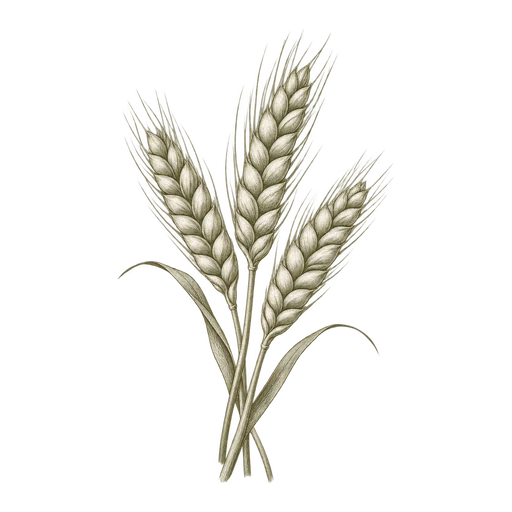
Triticale is a wheat–rye cereal grain used mainly in livestock feed, with separate food and forage applications. Compare whole or processed forms and evaluate each lot’s condition and analysis against its intended use.

Explore ingredient

Different ingredients, different feeding contexts

Bird feed is not a single ingredient type or a complete nutrition category. This collection includes Stripes and triticale, but their names alone do not establish that they serve the same birds or purpose. Confirm the exact identity and intended use of each item before treating them as alternatives or components of one mix.

Stripes may refer to striped sunflower seed, but that identity needs confirmation. If it is striped sunflower, its thicker hull is harder for smaller birds to crack than the hull of black-oil sunflower. Triticale, by contrast, is a cereal grain and a wheat–rye hybrid used as an animal-feed grain. Its inclusion here does not establish it as a standard wild-bird seed.

Match the ingredient to the use

For wild-bird feeding, verify whether Stripes is whole striped sunflower seed and whether it is intended for that use. Consider seed size, hulls and feeder design together: a seed that is difficult for the birds you hope to attract can be left uneaten. In a blend, check the ingredient list and proportions because birds may select preferred seeds and leave others.

For poultry or other managed feed, establish whether triticale is whole or processed and whether it is intended as an ingredient in a formulated ration. Grain alone is not a complete poultry diet; nutrient needs differ by species and life stage. Review the lot’s analysis basis, moisture, foreign material and relevant contaminant information for the intended feed use.

Bulk purchasing and storage

Before buying, align the product identity, form, intended species and use with your receiving and feeding systems. Confirm packaging and storage guidance for the specific lot. Keep birdseed cool and dry, avoid using moldy material, and manage feeder hygiene; these practices do not replace lot-specific handling instructions.

Common questions.

Does Stripes mean striped sunflower seed?+

The name alone does not confirm that identity. Check the product or lot specification for the seed type and form.

Is triticale a wild-bird seed or a complete poultry feed?+

Triticale is a cereal feed grain, but its listing here does not establish wild-bird use or make it a complete poultry ration. Confirm the intended use and formulation.

What should I compare when sourcing Stripes for wild birds?+

Confirm its identity, cleanliness and intended use, then consider seed size, hull difficulty and compatibility with your feeder and target birds.

What triticale details matter for bulk feed use?+

Confirm whether it is whole or processed, its intended species and feed use, the basis of its nutrient analysis, moisture and foreign material, and relevant contaminant information.

Bird feed · BUYER INSIGHTS

Go deeper before you source.

Focused guides to the specification, application, and delivery questions behind this ingredient.

FIELD GUIDE01Bird feed
Buyer’s guide

Planning bulk triticale grain receiving and storage

Plan a triticale grain order around a clear quantity, destination, receiving method and storage setup. Moisture and grain condition inform storage decisions, while shipment details depend on the offered lot and your facility.

Read this Insight
FIELD GUIDE02Bird feed
Buyer’s guide

Triticale in swine and poultry diets: formulation questions

Triticale can contribute to swine and poultry diets, but its formulation value depends on the offered grain analysis, NSP characteristics, physical form, animal species and the rest of the ration. Understand those decisions before defining the feed specification and sourcing requirement.

Read this Insight
FIELD GUIDE03Bird feed
Buyer’s guide

Triticale grain quality: comparing moisture, test weight and condition

Moisture, test weight, foreign material and condition describe different aspects of a triticale lot. Learn how to compare the measures, interpret their limits and request lot-specific records and sampling details.

Read this Insight
FIELD GUIDE04Bird feed
Buyer’s guide

Bulk striped sunflower seed receiving and storage decisions

A practical guide to planning bulk striped sunflower seed receiving: define the form and size, align packaging with unloading capacity, inspect the lot on arrival and protect it in clean, segregated storage.

Read this Insight
FIELD GUIDE05Bird feed
Buyer’s guide

Choosing striped sunflower seed for bird-feeding applications

Striped sunflower seed is larger and has a tougher shell than black-oil sunflower. Compare feeder access, target birds and mix behavior before choosing it for a bird-feeding application.

Read this Insight
FIELD GUIDE06Bird feed
Buyer’s guide

Striped sunflower seed specifications: size, hulls and lot condition

A practical guide to defining whole or hulled striped sunflower seed and comparing lot condition, size and yield on a consistent basis.

Read this Insight