Dried Fruits
Raisins
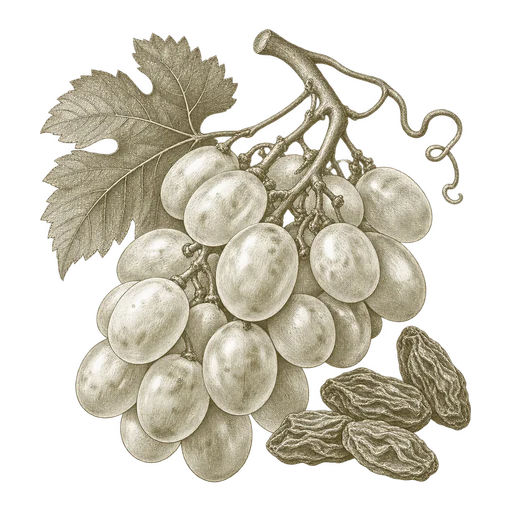
Raisins are dried grapes used in baking, food manufacturing, confectionery and culinary products. Specify grape category, seed status, drying treatment and preparation to match the fruit to your process.
Explore ingredientBakery and confectionery ingredients span dairy powders, sweeteners, flours, dried fruit, nut pieces and other powders. Their roles and performance are not interchangeable: composition, processing and physical form can all affect how an ingredient behaves in a recipe. This collection helps buyers compare ingredients by intended function and identify the specifications to confirm before bulk purchasing.
Raisins are dried grapes used in baking, food manufacturing, confectionery and culinary products. Specify grape category, seed status, drying treatment and preparation to match the fruit to your process.
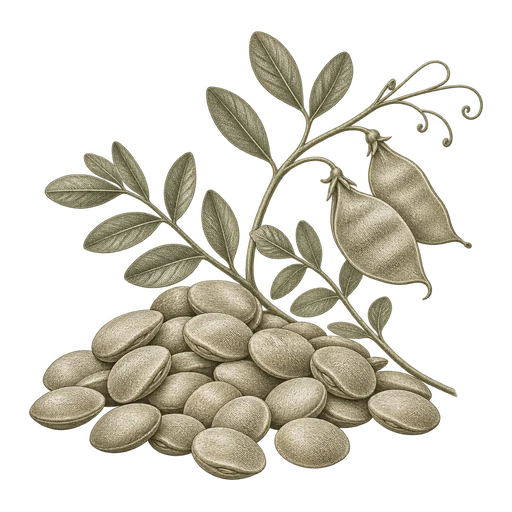
Explore ingredientRed lentil flour is a milled human-food ingredient whose seed form, particle size and processing history affect how it performs in formulations. Compare those characteristics with your application and specify the quality information, packaging and delivery details needed for a bulk order.
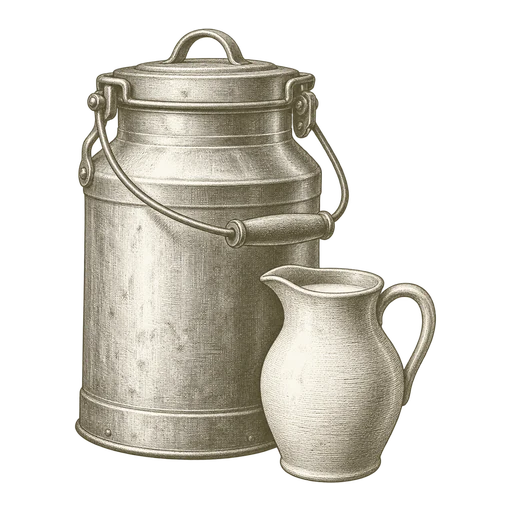
Explore ingredientA milk-based powder for commercial food manufacturing.
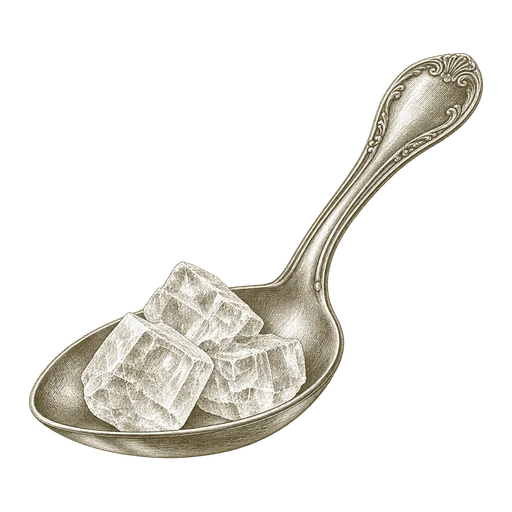
Explore ingredientSugar is a broad product family that includes crystalline sucrose, powdered sugar, liquid sugar, syrups and molasses. Identify the exact product, form and intended use, then compare the quality measures and handling information relevant to that category.
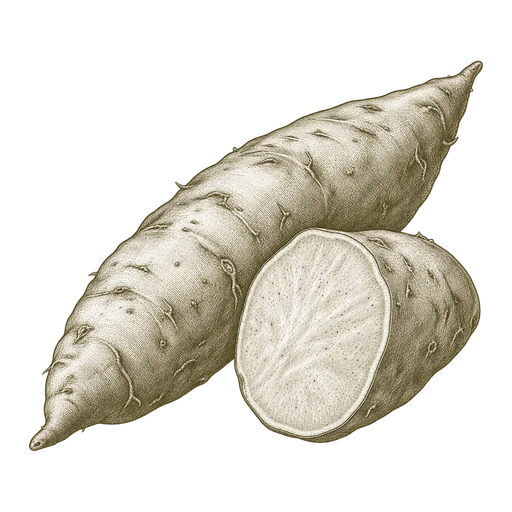
Explore ingredientSweet potato powder is a dried, ground root ingredient available through different processing routes, including milled dried root and dried puree. Compare process, color, particle size and functional properties against the needs of your food formulation or feed evaluation.
Explore ingredientSweet whey is a cheese-making co-product sold as liquid, concentrate or powder. The form affects composition, receiving and storage, while its lactose, protein, fat and minerals support food manufacturing and selected feed uses.
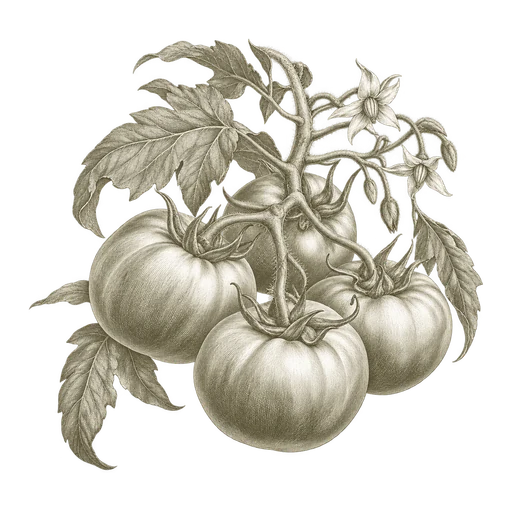
Explore ingredientTomato pomace is a tomato-processing residue supplied in wet, dried, powdered or preserved forms. Compare the form, composition and intended feed or food use, since moisture and the proportions of skins, seeds and pulp affect handling and formulation.
Explore ingredientWalnut pieces are broken edible walnut kernels used where a fragment format fits the finished food. Confirm species, kernel-versus-meal identity, piece size and lot condition, then plan moisture-protected, cool storage.
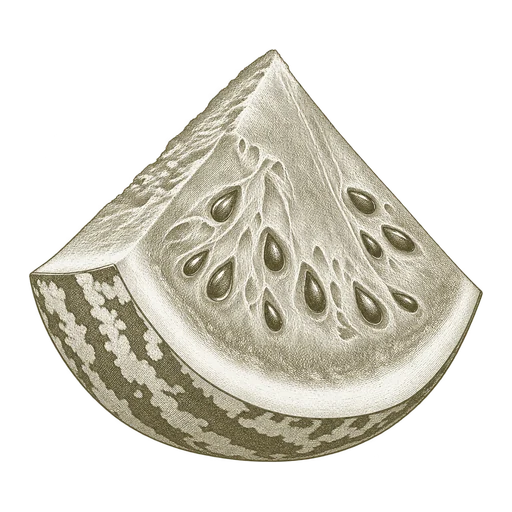
Explore ingredientWatermelon ingredients include seed flour, meal, protein concentrate and rind meal, each with different processing and composition. Identify the plant part, processing and intended food or feed use before comparing bulk offers.
Explore ingredientWhey powder is a dried dairy ingredient used in food manufacturing and animal feed. Sweet and acid whey, and ordinary powder versus further-processed whey products, differ in composition and function—so match the product identity and lot analysis to the application.
Explore ingredientWhey Protein Concentrate 34 is a spray-dried dairy powder used in food formulations for its whey protein contribution and functional effects on texture, water binding and viscosity. Compare protein basis, composition and process needs to distinguish it from higher-protein concentrates and isolate.
Explore ingredientBakery and confectionery formulation brings together ingredients that contribute distinct functions, rather than one interchangeable class. Sugar supplies sweetness; raisins and walnut pieces add inclusions; flours and powders can change a dough or batter; dairy powders add dairy solids.
Skim milk powder, sweet whey and whey protein concentrate 34 are not equivalents. Their composition and processing differ, so replacing one with another can change texture, browning, hydration and finished-product performance. “Whey powder” alone does not identify a precise type.
Red lentil flour and sweet potato powder can be considered for flour or powder substitutions, but their effect depends on the specific product and recipe. Pilot testing should check hydration, handling, bake color, texture and sensory results rather than assuming a published result applies to every commercial grade.
Raisins and walnut pieces call for attention to inclusion size, condition and distribution in the finished product. Names such as tomato and watermelon do not specify whether the ingredient is fresh, dried or powdered, so establish the offered form before evaluating a formulation use.
For dairy powders, compare composition and functional details such as heat treatment and solubility or dispersibility. For flours and powders, confirm source, processing, particle size and moisture. For raisins, clarify type, grade and moisture; for walnut pieces, ask about piece-size distribution and allergen documentation.
Request the product specification, intended food-use identity, handling guidance and lot documentation. Treat typical values or study results as screening information, not a guarantee of a particular lot. Confirm storage and packaging requirements for the actual product.
Not automatically. Their protein, lactose, mineral content and functional properties differ. Compare specifications and test the substitution in the intended product.
No. “Whey powder” does not specify a precise whey product, and WPC34 is a distinct protein-bearing ingredient. Confirm identity and composition before comparing or substituting.
Check hydration, mixing and dough or batter handling, then evaluate bake color, volume or spread, texture and sensory properties in the finished product.
Confirm piece-size distribution, product condition and allergen and cross-contact documentation. Walnut is a tree nut allergen relevant to food labeling and production controls.
Focused guides to the specification, application, and delivery questions behind this ingredient.
A practical guide to planning bulk Whey Protein Concentrate 34 delivery, unloading and dry-powder storage around your facility’s requirements.
Read this InsightWPC 34 can influence water management, browning and structure in bakery formulations, but protein percentage alone cannot predict how it will perform. Learn which product characteristics and process conditions to evaluate before sourcing.
Read this InsightCompare Whey Protein Concentrate 34 analyses on a shared protein basis, then review the methods and composition measures that affect a meaningful, application-specific specification.
Read this InsightPlan bulk whey powder receiving around the offered package, your facility’s unloading setup and dry, protected storage. Verify product-specific storage instructions and dated shelf-life details before delivery.
Read this InsightWhey powder adds a broader mix of dairy solids than whey protein concentrate or isolate. See how composition, dispersibility and baking conditions can shape a bakery trial, and what to compare before scaling.
Read this InsightCompare sweet and acid whey powder by processing identity first, then evaluate protein, lactose, fat, moisture, ash and acidity using consistent units, measurement bases and methods.
Read this Insight