Aquaculture feed formulation selects and combines ingredients to meet the needs of a target species and life stage while accounting for nutrient availability, processing and cost. This collection covers Salmon Meal and Tuna Meal as marine-derived meal ingredients. Their names alone do not establish composition, quality or suitability for a particular diet, so buyers should assess documented product identity and lot analysis with the feed formulator.
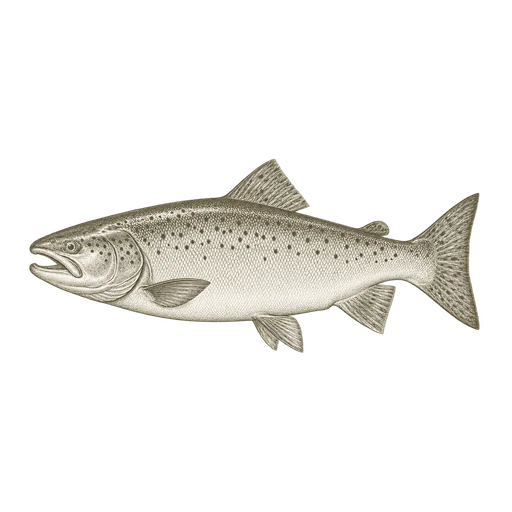
Salmon meal is dried, ground fish material used in aquaculture and animal feed formulations. Compare species identity, processing, and the offered analysis to determine how the meal fits your feed program and handling setup.
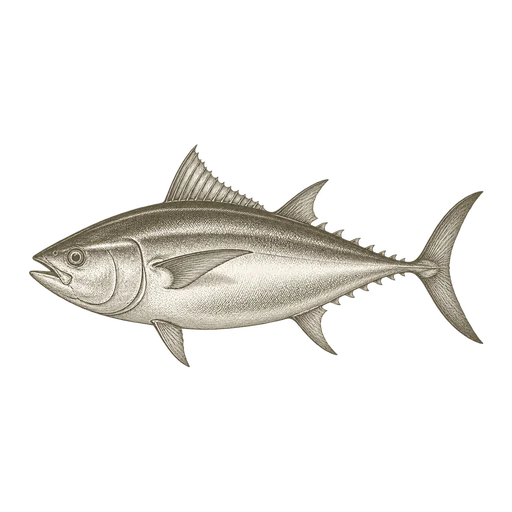
Tuna meal is a dried, ground fish ingredient used in feed formulations, including aquaculture diets. Its raw materials, processing, composition and physical form can differ, so compare lot analysis and handling requirements before arranging a bulk order.
Aquaculture feed formulation balances nutrients for a particular species and life stage while accounting for ingredient availability, cost and processing performance. Fish-derived meals can contribute nutrients such as protein, amino acids and lipids, but an ingredient name alone does not establish its nutrient content or suitability for a specific diet.
Salmon Meal and Tuna Meal are the supplied examples in this collection. Neither should be confused with a complete feed, and neither name alone establishes a standard composition or formulation role.
Compare the actual products, not just the names
The available evidence does not establish a like-for-like nutritional or functional comparison between Salmon Meal and Tuna Meal. Buyers should not assume one has higher protein, better digestibility or a particular advantage without comparable product data.
Before comparing offers, confirm each ingredient’s definition and raw-material source, processing method, and whether the analysis is reported as-fed or on a dry-matter basis. A lot-specific analysis can help a formulator assess measures such as protein, lipid, moisture, ash and amino-acid profile against the target diet.
Formulation and purchasing decisions
Inclusion decisions depend on the target species and life stage, nutrient availability, the rest of the diet and feed-manufacturing requirements. Evidence for one ingredient in one species or trial condition does not establish a safe or effective inclusion level for another diet.
For bulk purchasing, align the product definition and lot documentation with the formulator’s requirements. Confirm feed-use status, relevant contaminant and microbiological controls, particle size, packaging, and handling instructions before committing to a purchase.
Common questions.
Can Salmon Meal and Tuna Meal be compared by name alone?+
No. The names do not establish comparable composition or processing. Compare product definitions and lot analyses on the same reporting basis.
Does tuna meal have a fixed replacement rate for fishmeal in aquafeed?+
No universal rate is established here. Inclusion depends on the product, target species and life stage, and the full diet; a nutritionist should evaluate it using lot data.
Which analyses are useful when evaluating these meals?+
Discuss lot-specific protein, lipid, moisture, ash and amino-acid data with the formulator. Confirm the reporting basis and any relevant safety, particle-size and handling requirements.
Aquaculture feed formulation · BUYER INSIGHTS
Go deeper before you source.
Focused guides to the specification, application, and delivery questions behind this ingredient.