Independent sourcing. Better connections.Commercial buyers · Bulk ingredients
tag

Wild-bird feed

A collection overview for Coarse Chips, Fine Chips and Colored Safflower. Compare verified ingredient identity and form, clarify grade and color terminology, and match safflower to the birds you aim to attract. Keep bulk seed dry and protected from pests and contaminants.

4 ingredients6 published Insights
EXPLORE THE COLLECTION

Wild-bird feed ingredients

Sunflower Seeds

Coarse Chips

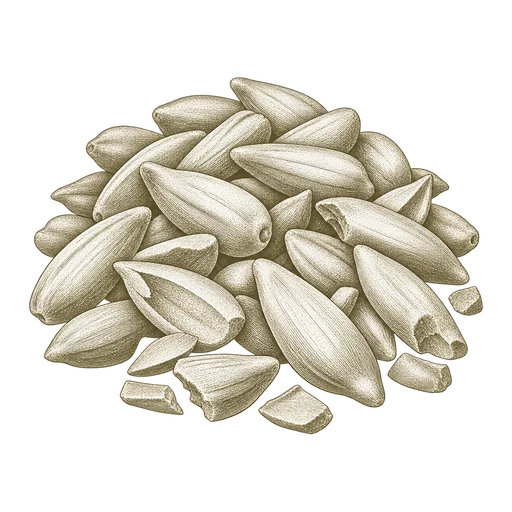
Coarse sunflower chips are broken, hulled sunflower kernels used most clearly in wild-bird feed. Compare the seller’s particle-size definition, fines and hull limits, kernel condition and intended-use grade when planning a bulk order.

Explore ingredient
Other Seeds & Grains

Colored Safflower

Colored safflower is safflower seed identified by its appearance, but the name can mean naturally colored or artificially treated seed. Establish the product identity and intended use, then compare whole-seed condition, moisture and test weight for bird-feed applications.

Explore ingredient
Sunflower Seeds

Fine Chips

Fine Chips are broken or size-reduced sunflower kernels used in wild-bird feed products. Compare the seller’s chip-size definition, hull content and lot analysis, then match packaging and receiving details to your facility.

Explore ingredient
Millet

White Proso

White proso millet is white-seeded Panicum miliaceum used in birdseed, livestock feed and food processing. Compare whole, cracked or ground forms and specify the identity, quality analysis and receiving needs that fit the intended use.

Explore ingredient

A small collection of seed and chip forms

This collection brings together Coarse Chips, Fine Chips and Colored Safflower for buyers sourcing ingredients for wild-bird feed. The chip names are consistent with sunflower-chip categories, but the names alone do not verify their botanical identity, whether they are hulled kernels, or how coarse and fine are defined. Confirm those details in the product specification before comparing grades.

Colored Safflower also needs a clear identity. The name does not establish whether its color is natural, varietal or applied. Ask what the color refers to and verify that the product is intended for wild-bird feeding, not planting.

Match the ingredient to feeder use

Safflower is used to attract some backyard birds, including cardinals, finches and grosbeaks, but it is not a universal preference; local bird response varies. Its hard shell can be more difficult for some birds to crack than black-oil sunflower. Choose it for the birds you aim to attract rather than assuming every species will use it.

For Coarse Chips and Fine Chips, compare the supplier’s stated size ranges and physical form. Available evidence does not establish which grade particular birds prefer or support a specific nutritional comparison between the two.

Check the lot and protect it in storage

For any of these ingredients, request verified identity, processing or grade definitions, and lot information on cleanliness, foreign material, damage and moisture. Confirm whether coatings or treatments are present, especially for Colored Safflower; red- or pink-dyed planting seed should not be used for bird feeding.

Keep bulk seed dry and protected from pests, sunlight and chemical contamination. Monitor stored material for insects or spoilage. These are general handling practices, not a product-specific shelf-life or moisture guarantee.

Common questions.

Are Coarse Chips and Fine Chips sunflower products?+

The names align with sunflower-chip product categories, but confirm the botanical identity, physical form and grade definitions in the supplier’s specification.

What does Colored Safflower mean?+

The name alone does not explain the color’s origin. Ask whether it is natural or applied and verify that the seed is intended for wild-bird feeding, not planting.

Which birds use safflower?+

Some cardinals, finches, grosbeaks, nuthatches and titmice use safflower, but acceptance is not universal and can vary by location.

How should bulk bird-feed seed be stored?+

Keep it dry and protected from pests, sunlight and contaminants, and check it for insects or spoilage. No product-specific storage duration is established here.

Wild-bird feed · BUYER INSIGHTS

Go deeper before you source.

Focused guides to the specification, application, and delivery questions behind this ingredient.

FIELD GUIDE01Wild-bird feed
Buyer’s guide

Planning bulk white proso millet receiving and storage

Plan a white proso millet order around the receiving site's form, quantity, destination, timing, packaging and unloading needs. Protect the grain from moisture and contamination, and establish lot-specific requirements for the actual offer.

Read this Insight
FIELD GUIDE02Wild-bird feed
Buyer’s guide

Choosing white proso millet for birdseed mixes

A practical guide to choosing white proso millet for wild-bird and caged-bird mixes, with attention to seed color, grain form and blend-specific requirements.

Read this Insight
FIELD GUIDE03Wild-bird feed
Buyer’s guide

White proso millet quality analysis: what to compare

A practical guide to separating white proso millet identity, appearance, form and lot analysis—and making quality results comparable before purchase.

Read this Insight
FIELD GUIDE04Wild-bird feed
Buyer’s guide

Planning bulk receiving and storage for fine sunflower chips

Plan fine sunflower chips orders around the site’s receiving setup: align quantity, destination and timing with suitable packaging, unloading capability and storage instructions for the actual offer.

Read this Insight
FIELD GUIDE05Wild-bird feed
Buyer’s guide

Using fine sunflower chips in wild-bird feed blends

Fine sunflower chips bring kernel pieces rather than whole seed into a wild-bird blend. Compare their particle-size profile and offered analysis with the blend’s texture, handling and production needs.

Read this Insight
FIELD GUIDE06Wild-bird feed
Buyer’s guide

How to compare fine sunflower chips by size and quality

“Fine” is a seller grade, not a universal size limit. Compare fine sunflower chips using a defined particle-size distribution, hull and cleanliness criteria, and nutrient analysis reported on a consistent basis.

Read this Insight