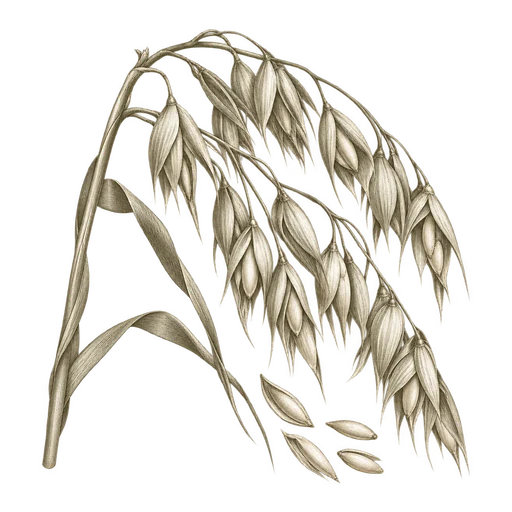
This collection groups two distinct whole-grain ingredients: Brown Rice and Colored Oat Groats. Brown rice retains its bran layers after the inedible hull is removed; oat groats are oat kernels separated from their inedible hulls. Each can qualify as a whole grain when the edible kernel retains its bran, germ and endosperm. For bulk purchasing, compare the form and lot data needed for your process rather than treating the ingredients as interchangeable.
Brown rice is hulled rice with its bran layers retained, sourced as whole kernels or flour for food uses. Specify grain class, processing state and quality requirements, then match packaging and storage plans to your facility.
Colored oat groats are dehulled oat kernels for food processing and other uses. Clarify whether color refers to the hull or groat, and specify kernel form and processing state so the offer matches your use.
Brown rice is rice with its inedible hull removed while the bran layers remain. Oat groats are oat kernels separated from their inedible hulls. Both can qualify as whole grains when the bran, germ and endosperm are retained, but their identities and processing requirements differ.
For a purchase, name the ingredient and the form your process needs. Rice buyers may need to distinguish whole kernels from broken kernels. Oat buyers should specify intact groats or a further-processed form such as cut, rolled or ground oats.
Interpret quality data by ingredient
For brown rice, request the class or type, grade or inspection basis, and whole- and broken-kernel proportions. These details clarify whether a lot fits a use that depends on appearance, cooking behavior or further processing.
For oat groats, useful measures can include test weight, groat percentage or yield, and kernel or groat color. Composition results such as protein, oil or beta-glucan matter when they are relevant to the intended use. Ask for the test method and basis alongside lot-specific results.
Confirm lot identity and handling needs
The name Colored Oat Groats does not by itself explain what is colored or identify a variety. Confirm whether the term describes the hull, the groat or a named oat, and request a specification that resolves the product identity.
For either grain, compare moisture, cleanliness or foreign-material measures, and the offered packaging or conveyance format with your receiving and storage setup. Food, feed and pet-food acceptance criteria should be confirmed for the specific intended use rather than assumed to transfer between markets.
Common questions.
What makes brown rice and oat groats whole grains?+
They can be whole grains when the edible kernel retains its bran, germ and endosperm. Confirm the actual processing form for the lot.
What should I clarify about colored oat groats?+
Ask what “colored” refers to—the hull, the groat’s appearance or a named variety—and request a product specification or sample.
Which quality data should I compare?+
For brown rice, review class or type, grade basis, and whole- and broken-kernel proportions. For oat groats, consider test weight, groat percentage or yield, color and use-relevant composition data.
Can one specification cover food and feed uses?+
Do not assume so. Confirm the intended use and its applicable acceptance criteria for the specific lot.
Whole grains · BUYER INSIGHTS
Go deeper before you source.
Focused guides to the specification, application, and delivery questions behind this ingredient.