Independent sourcing. Better connections.Commercial buyers · Bulk ingredients
tag

Vegetable ingredients

Vegetable ingredients is a broad collection, not one uniform material category. It brings together spinach and sweet potato flakes, which differ in plant part, processing and physical form. Buyers should identify the exact form and intended use before comparing offers: dried spinach may be milled as powder, while sweet potato flakes are made from processed sweet potato. Product names alone do not establish process, specification or suitability for a particular market.

2 ingredients6 published Insights
EXPLORE THE COLLECTION

Vegetable ingredients ingredients

Dried Vegetables

Spinach

Bulk spinach is sourced as fresh leaves or dried, ground leaf, and those forms have different uses and handling needs. Fresh spinach for processing is judged by condition and cleanliness; dried leaf requires product-specific composition and storage information.

Explore ingredient
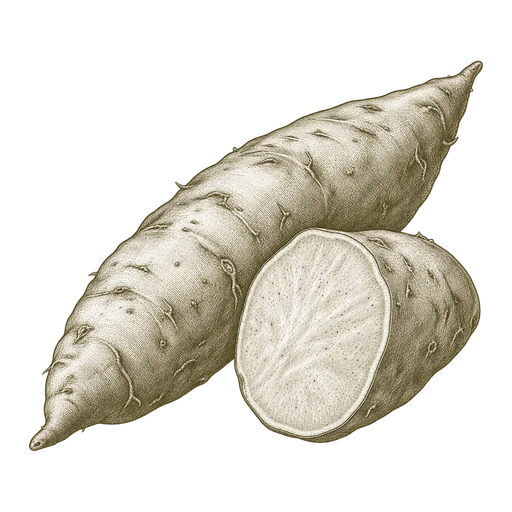
Different vegetables, different ingredient forms

Spinach and sweet potato flakes belong to a broad vegetable-ingredient collection, not a standardized product class. Spinach may be sold dried and milled as a powder, while sweet potato flakes are a processed form of sweet potato. Their ingredient identity and physical form affect how they fit into a recipe or process.

Sweet potato flakes can be produced by cooking and drying puree; drum drying is one documented method. Flakes may also be milled into powder. The product name alone does not confirm a particular process, particle size, or whether the ingredient contains additives.

Match the ingredient to its use

The documented food uses differ: spinach powder has been tested in a wheat flatbread formulation, while sweet potato flakes are used in preparations such as mashed-style dishes and pies. These examples are not guaranteed performance claims or universal inclusion rates. Test the exact ingredient in the intended formula.

Do not assume that a food-use ingredient is suitable for animal feed or pet food. Confirm the intended-use category and supporting documentation for the specific product and lot.

Compare specifications, not just names

For spinach, clarify whether the product is powder or another form and which plant parts it contains. For flakes, confirm whether they are whole, broken, or milled and ask about the processing method and ingredient declaration.

Compare offers using current specifications and relevant lot documentation. Depending on the application, check moisture, particle size, color, flavor, microbiological criteria, and functional performance such as reconstitution or water interaction. Use product-specific storage instructions; fresh-spinach storage guidance does not establish storage conditions for dried ingredients.

Common questions.

Can spinach and sweet potato flakes be used interchangeably?+

No. They are different vegetable ingredients with different forms and formulation behavior. Evaluate each in the intended application.

Does sweet potato flakes always mean drum-dried?+

No. Drum drying is one documented method, but the name alone does not establish the process. Confirm processing details and any additives.

Are these ingredients automatically suitable for feed or pet food?+

No. Confirm the intended-use category and supporting product documentation for the specific ingredient and lot.

What should buyers compare between offers?+

Compare exact ingredient form, intended use, specification limits, test methods, packaging, and lot documentation.

Vegetable ingredients · BUYER INSIGHTS

Go deeper before you source.

Focused guides to the specification, application, and delivery questions behind this ingredient.

FIELD GUIDE01Vegetable ingredients
Buyer’s guide

Planning bulk receiving and storage for sweet potato flakes

Plan bulk sweet potato flakes receiving by matching the order quantity, delivery details, packaging and storage plan to your facility—and use product-specific handling directions rather than assumptions about dehydrated ingredients.

Read this Insight
FIELD GUIDE02Vegetable ingredients
Buyer's guide

Sweet potato flakes in food formulations: what to evaluate

A practical framework for evaluating sweet potato flakes in a specific food recipe, from product identity and particle size to sensory testing and manufacturing trials.

Read this Insight
FIELD GUIDE03Vegetable ingredients
Buyer’s guide

How to compare sweet potato flakes specifications

A practical framework for comparing sweet potato flakes specifications, including ingredient identity, processing, moisture methods, particle-size reporting and sensory descriptions.

Read this Insight
FIELD GUIDE04Vegetable ingredients
Buyer’s guide

Bulk spinach receiving and storage: fresh versus dried leaf

Fresh spinach needs prompt refrigerated receiving, while dried leaf and ground spinach require form- and package-specific handling. Match the receiving plan to the product you are sourcing.

Read this Insight
FIELD GUIDE05Vegetable ingredients
Buyer’s guide

Dried spinach in layer-feed formulation: what the evidence answers

A study of ground dried spinach leaf in laying-hen diets can inform a specific formulation question, but it does not set a universal inclusion rate or guarantee egg-yolk color. Interpret findings in the context of the tested ration, measured outcomes and the analysis of the product being sourced.

Read this Insight
FIELD GUIDE06Vegetable ingredients
Buyer’s guide

Spinach quality specifications: fresh leaves versus dried leaf

Fresh and dried spinach require different quality specifications. Define fresh-leaf condition under the applicable grade or buyer standard; specify dried spinach by its form, plant parts and relevant analytical measures.

Read this Insight