Independent sourcing. Better connections.Commercial buyers · Bulk ingredients
tag

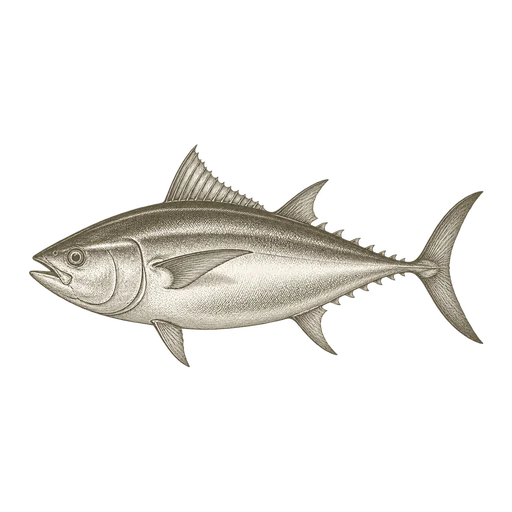
Tuna meal

The Tuna Meal tag currently groups one ingredient: Tuna Meal. It is relevant to feed buyers seeking a marine protein ingredient, particularly for aquafeed formulation. Because raw materials and processing can differ, buyers should assess the offered lot’s identity and analysis rather than infer composition from the name alone.

1 ingredients3 published Insights
EXPLORE THE COLLECTION

Tuna meal ingredients

Animal Products

Tuna Meal

Tuna meal is a dried, ground fish ingredient used in feed formulations, including aquaculture diets. Its raw materials, processing, composition and physical form can differ, so compare lot analysis and handling requirements before arranging a bulk order.

Explore ingredient

What this collection covers

This tag currently groups one ingredient: Tuna Meal. Fish meals are generally made by cooking fish material, separating some liquid and oil, then drying and grinding the solids. The raw material and processing can vary, so the name alone does not establish whether a product is made from whole fish, processing by-products or a blend.

Feed use and formulation

The clearest use supported for tuna by-product meal is as a protein ingredient in aquaculture feed. It has been evaluated in feed research, but results for a particular fish species and trial do not establish an inclusion rate for other species or formulations. Compare the lot’s composition with the nutritional needs of the intended species and life stage; do not treat tuna meal as automatically interchangeable with other fish meals.

What to check before buying in bulk

Request a current lot analysis and confirm the testing basis. Protein is only one part of the decision: fat, ash, phosphorus, moisture, amino-acid profile and relevant contaminant results can also affect formulation and buyer requirements. Ask how the ingredient is identified and processed, and verify any antioxidant treatment rather than assuming it is present.

Fish-meal lipids can oxidize in storage. Check production date, packaging or bulk format, storage guidance and remaining shelf life at delivery. Keep the material cool, dry and clean as practical, follow the product’s handling guidance and plan stock rotation.

Common questions.

Is tuna meal interchangeable with other fish meal?+

Not automatically. Compare lot analyses, especially fat, ash and phosphorus, and formulate for the intended species and life stage.

Does tuna meal always come from tuna processing by-products?+

The name does not establish a universal raw-material definition. Confirm the ingredient declaration and source materials for the offered product.

What analysis should buyers request?+

Request a current lot-specific certificate of analysis. Consider moisture, protein, fat, ash, phosphorus and relevant contaminant tests, including mercury where applicable to your requirements.

What storage details matter for bulk tuna meal?+

Check production date, packaging, storage instructions, antioxidant treatment and remaining shelf life. Fish-meal lipids can oxidize during storage.

Tuna meal · BUYER INSIGHTS

Go deeper before you source.

Focused guides to the specification, application, and delivery questions behind this ingredient.