Independent sourcing. Better connections.Commercial buyers · Bulk ingredients
tag

Tree nuts

Tree nuts groups distinct bulk ingredients rather than one standardized product: almonds, Brazils, hazelnuts, macadamia nuts, mixed tree nuts, pecans and pistachios. Compare species, shell status, processing and size or grade requirements. For blends, define the species and proportions; for food use, verify allergen and cross-contact information.

7 ingredients6 published Insights
EXPLORE THE COLLECTION

Tree nuts ingredients

Tree Nuts

Almonds

Almonds may be supplied as kernels, in-shell nuts, or distinct processing by-products. For a bird-food request, define the form and intended use first, then evaluate lot documentation, handling needs, and receiving requirements.

Explore ingredient
Tree Nuts

Brazils

Brazil nuts are sourced in-shell or as shelled kernels, including whole, sized, chipped and broken forms. Match kernel size and condition to the food application, and assess storage and quality requirements for the specific lot.

Explore ingredient
Tree Nuts

Hazelnuts

Bulk hazelnuts are sourced in-shell or as kernels, with natural, roasted, whole and piece forms suited to different food products. Compare style, size, quality requirements and storage conditions for the intended use.

Explore ingredient
Tree Nuts

Macadamia Nuts

Macadamia nuts are sourced in-shell or as kernels for snacks and food manufacturing. Compare kernel style, raw or roasted processing, moisture and oil analysis, and packaging to match the product to its intended use.

Explore ingredient
Tree Nuts

Mixed Tree Nuts

Mixed tree nuts can mean an in-shell food blend, shelled kernels or pieces, or a distinct processing residue intended for feed. Identify the species, shell status, additives and intended use before comparing specifications or arranging a bulk shipment.

Explore ingredient
Tree Nuts

Pecans

Pecans are edible tree-nut kernels sourced as halves, pieces, meal or flour for food production. Match the form to the finished product, then compare lot-specific moisture, size, condition and storage information.

Explore ingredient
Tree Nuts

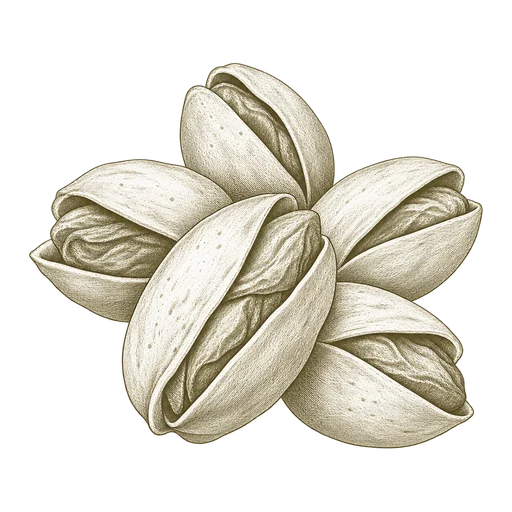
Pistachios

Pistachios are sourced as in-shell nuts, shelled kernels and processed forms for snacks, bakery, frozen desserts, sauces and confections. Define the product form, processing and quality requirements together, since shelling, roasting, seasoning and particle size change how the ingredient fits a food application.

Explore ingredient

A group of distinct nut ingredients

Tree nuts is a broad buyer category, not a single standardized commodity. It brings together almonds, Brazils, hazelnuts, macadamia nuts, pecans and pistachios, as well as mixed tree nuts. Species, shell status, processing and grade can differ, so the category name alone does not define product form or quality.

For mixed tree nuts, confirm which species are included and their proportions by weight. Do not assume a blend has a standard recipe, particularly when it is shelled.

Match the specification to the use

State whether the product should be in-shell or shelled, whole or in pieces, and raw, roasted, salted or otherwise processed. If size, cut or grade matters, name the acceptance criteria and the specific standard or product form they apply to. A grade used for one species or form does not automatically apply to another.

For food manufacturing, ask for lot-specific quality and allergen documentation. Identify each nut species and review cross-contact information with your food-safety team. For feed inquiries, assess the exact ingredient and its analysis for the intended animal; a food-grade kernel or a broad tree-nut label does not establish feed suitability.

Check lot condition and handling

Useful checks depend on species, form and end use. A product specification can address size distribution, damaged kernels, foreign material, moisture and sensory condition. Confirm packaging and storage recommendations for the actual product rather than applying one handling rule to all tree nuts.

Common questions.

Does mixed tree nuts mean a fixed blend?+

No. Ask for the included species and each species’ proportion by weight, and confirm whether the blend is shelled or in-shell.

Which details should a bulk tree-nut specification include?+

Identify the species, shell status, whole or piece form, processing, intended use and any required size, grade or acceptance criteria.

Can a grade standard for one nut be applied to another?+

Not automatically. Confirm that the named standard covers the species and product form in the lot, and agree on its use in the purchase specification.

What allergen information should food buyers review?+

Identify every nut species in the product and review applicable allergen labeling and cross-contact documentation for the specific product and facility.

Are tree nuts suitable for animal feed?+

The category name does not establish feed suitability. Confirm the exact ingredient, its analysis and its suitability for the intended animal.

Tree nuts · BUYER INSIGHTS

Go deeper before you source.

Focused guides to the specification, application, and delivery questions behind this ingredient.

FIELD GUIDE01Tree nuts
Buyer’s guide

Bulk pistachio storage and receiving: planning for product quality

Plan bulk pistachio receiving around the offered form and packaging, then protect the product from damp conditions and unnecessary exposure to air, warmth and light.

Read this Insight
FIELD GUIDE02Tree nuts
Buyer’s guide

Choosing pistachio forms for bakery and confectionery products

Compare whole pistachio kernels, pieces, meal and paste by the texture and visibility they bring to bakery and confectionery. Then define raw or roasted status, salt and the finished-product requirements before sourcing.

Read this Insight
FIELD GUIDE03Tree nuts
Buyer’s guide

Pistachio quality specifications: comparing kernels, defects and testing

A practical guide to defining and comparing pistachio specifications, from kernel size and defects to moisture, aflatoxin and oxidation testing.

Read this Insight
FIELD GUIDE04Tree nuts
Buyer’s guide

Receiving and storing bulk pecans: packaging and temperature questions

Plan bulk pecan receiving around the product form, package and unloading setup. Protect kernels from humidity, contamination and unnecessary handling, and use storage guidance specific to the offered product rather than relying on a universal shelf-life assumption.

Read this Insight
FIELD GUIDE05Tree nuts
Buyer’s guide

Pecans in food formulations: choosing halves, pieces, meal or flour

Choose pecan halves, pieces, meal or flour according to the finished product’s appearance, desired particle size and mixing process. Define the form clearly before comparing bulk offers.

Read this Insight
FIELD GUIDE06Tree nuts
Buyer’s guide

Pecans: how moisture and grade affect a bulk purchase

Compare the grade basis with current lot information for shelled pecans. Moisture, kernel development, color, defects, size and uniformity each describe a different purchase consideration.

Read this Insight