Independent sourcing. Better connections.Commercial buyers · Bulk ingredients
tag

Starches

Compare five plant-derived bulk starches by botanical source, product form and the functional requirements of your formulation or process.

5 ingredients6 published Insights
EXPLORE THE COLLECTION

Starches ingredients

Starches/Fibers/Proteins

Pea Starch

Pea starch is the starch fraction separated from peas and is used for viscosity, gel formation, water retention and texture in food formulations. Processing changes its behavior, so identify the offered form and compare functional properties against your application.

Explore ingredient
Starches/Fibers/Proteins

Potato Starch

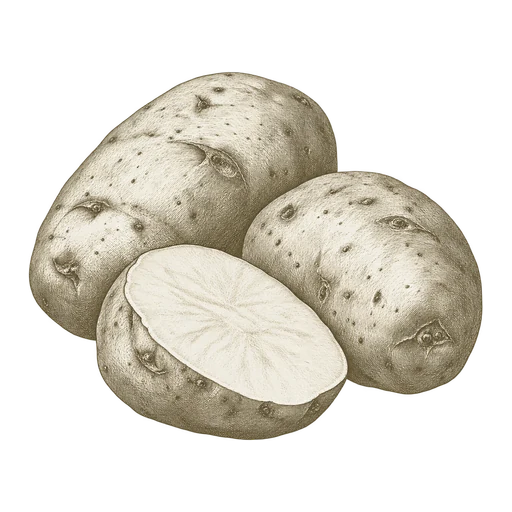
Potato starch is a dried, potato-derived ingredient used in food formulations for thickening, stabilization, gel formation and texture. Identify native or modified form and compare functional specifications against the process and receiving requirements for your bulk order.

Explore ingredient
Starches/Fibers/Proteins

Rice Starch

Rice starch is the isolated starch fraction of rice, used for thickening, stabilization and texture in food and described in pet food and feed formulations. Native and modified grades differ in function, so match the starch type and relevant test methods to your process before arranging a bulk shipment.

Explore ingredient
Starches/Fibers/Proteins

Tapioca Starch

Tapioca starch is cassava-root starch used for thickening, binding and stabilization in food products and in selected feed formulations. Native, modified, pregelatinized and hydrolyzed forms can behave differently, so match the form and functional data to the process before arranging a bulk shipment.

Explore ingredient
Starches/Fibers/Proteins

Wheat Starch

Wheat starch is an isolated wheat carbohydrate used for thickening and body in food and for narrower specialty-feed functions such as binding. Choose native, pregelatinized or modified starch according to the process and performance required.

Explore ingredient

Bulk starches from five plant sources

This collection brings together pea starch, potato starch, rice starch, tapioca starch and wheat starch. Starch is a plant carbohydrate, but its botanical source is an important part of ingredient identity—not a promise of a particular processing result. These ingredients offer buyers a starting point for comparing starches for food formulations and other uses.

The names describe different source materials: pulses, tubers and cereals. Pea starch may be recovered during pea-protein processing, while tapioca starch comes from cassava. Confirm that a tapioca offer is extracted starch rather than cassava flour or another cassava product.

Source and processing affect performance

Starches can differ in granule structure and composition, which influence swelling, gelatinization, paste viscosity and behavior during cooling. Potato starch is associated with distinct pasting and swelling behavior; rice starch has notably small granules; and wheat starch properties vary with wheat type and growing conditions. These source-level differences do not determine how a specific commercial lot will perform.

Native, modified and pregelatinized starches are not equivalent product forms. When comparing options, match the form and relevant functional data to the actual formulation and process. Do not assume that one botanical source can replace another at the same use rate without trials.

Compare offers against the intended use

Ask for the exact source and product form, including whether the starch is native or modified. Review the lot-specific certificate of analysis and clarify test methods and conditions for any moisture, purity or pasting results you use to compare offers. The ingredient name alone does not establish those values.

Also check packaging, storage conditions, shelf life, traceability and any required allergen controls. Wheat is a major food allergen in the United States, so wheat-starch buyers should evaluate allergen documentation and cross-contact controls against their requirements. For feed formulations, account for species and processing: food thickening performance does not establish suitability or digestion behavior in a particular feed.

Common questions.

Can I substitute one starch source for another?+

Not based on the ingredient name alone. Source and processing affect functional behavior, so test a substitution in the actual formulation and process.

What should I confirm when an offer is described as tapioca?+

Verify that the product is extracted cassava starch, not cassava flour, a fermented product or another cassava form.

What is the difference between native and modified starch?+

Modified starch has undergone physical, chemical or enzymatic treatment to change functionality. Confirm the exact form offered and whether it fits your process.

What should wheat-starch buyers check?+

Confirm the source, allergen documentation and cross-contact controls against the requirements of your application.

Starches · BUYER INSIGHTS

Go deeper before you source.

Focused guides to the specification, application, and delivery questions behind this ingredient.

FIELD GUIDE01Starches
Buyer’s guide

Planning bulk wheat starch receiving, storage and dust controls

Plan wheat starch receiving around the offered form, shipment details, unloading setup, storage information and site-specific dust controls.

Read this Insight
FIELD GUIDE02Starches
Buyer’s guide

When pregelatinized wheat starch fits a cold-water process

Pregelatinized wheat starch is pre-cooked and dried, allowing it to hydrate and thicken without a cooking step in the final process. Learn how that differs from native and modified starch and what to evaluate in fillings, sauces and breading.

Read this Insight
FIELD GUIDE03Starches
Buyer’s guide

Wheat starch specifications: matching form to functional tests

Compare native, pregelatinized and modified wheat starch by how each is processed and the functional tests that reflect your application. Learn what test conditions and analytical basis to request before comparing bulk offers.

Read this Insight
FIELD GUIDE04Starches
Buyer’s guide

Tapioca starch bulk receiving and storage planning

Plan a bulk tapioca starch order around the quantity needed, the packaging your facility can receive, unloading capability and dry, clean storage. Verify product-specific packaging and storage details before arranging delivery.

Read this Insight
FIELD GUIDE05Starches
Buyer's guide

Tapioca starch in bakery formulations: choosing the form for the process

Choose tapioca starch for a bakery formulation by defining its function, matching the form to process conditions and reviewing product-specific functional data before a trial.

Read this Insight
FIELD GUIDE06Starches
Buyer’s guide

Tapioca starch specifications: which functional data to compare

Compare tapioca starch offers by product identity, moisture and starch-content basis, and viscosity or pasting results generated under comparable test conditions.

Read this Insight