Independent sourcing. Better connections.Commercial buyers · Bulk ingredients
tag

Specialty grains

A focused overview of the Specialty grains tag, currently represented by canary seed. Buyers can use the collection to assess intended use, seed form, handling needs and lot-specific specifications.

1 ingredients3 published Insights
EXPLORE THE COLLECTION

Specialty grains ingredients

Other Seeds & Grains

Canary

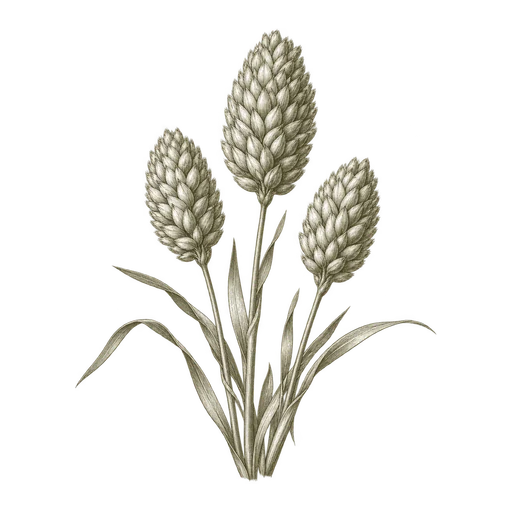
Canary seed is a grass grain sourced mainly for bird-feed blends, with specific glabrous varieties also processed into food ingredients such as groats and flour. Identify the hull type, intended market and processing form before comparing bulk lots.

Explore ingredient

What this collection covers

Specialty grains is a tag grouping, not a single grain type or a promise that every specialty grain is interchangeable. The supplied collection currently has one member: canary seed. That makes its most useful buying distinctions product-specific, especially intended use and physical form.

Canary seed is the grain of Phalaris canariensis. It is sold for bird feed, while specially developed glabrous varieties also have food uses. Those markets are not interchangeable: ordinary bird-feed seed should not be assumed to meet food-use requirements.

Form and intended use matter

When comparing canary seed offers, distinguish hairy from glabrous seed, hulled from dehulled product, and whole seed from groats, meal or flour. Conventional hairy hulls can carry small, sharp silica hairs, making dust and handling relevant considerations. Milled forms serve different processing needs from whole seed.

For bird-feed blends, identify the actual blend and its component proportions rather than relying on a general mix description. Food applications use specified glabrous forms, including milled products. Feed formulations also need to account for hull form and the intended animal; findings from particular feeding studies do not establish a universal inclusion rate.

Check the lot specification

A useful bulk specification identifies intended-use grade, hull and seed form, moisture, purity, foreign material and weed-seed tolerances. Ask how each value is measured and whether any reported nutrient analysis is on an as-fed or dry-matter basis. A reported analysis for one cultivar or processed form should not be treated as a guaranteed value for another lot.

Before comparing quotes, align packaging or bulk format and documentation requirements with receiving and processing needs. For hairy seed, include dust management in the handling review. Confirm the actual lot's contract terms and analysis rather than relying on typical marketing practice as a guaranteed limit.

Common questions.

Does this collection include several specialty grains?+

The supplied collection currently lists canary seed as its only member. The tag is a grouping, not evidence that other grain types are included or available.

Is all canary seed suitable for human food?+

No. Food-use evidence concerns specified glabrous varieties and forms. Confirm food-use status and documentation for the particular lot; bird-feed seed should not be assumed to be food-grade.

Which canary seed forms should a buyer distinguish?+

Confirm whether the seed is hairy or glabrous, hulled or dehulled, and whole or milled. These characteristics affect handling and how the product fits its intended use.

What should a bulk specification state?+

Identify intended-use grade and product form, then specify moisture, purity, foreign material and weed-seed tolerances, analysis basis, packaging or bulk format, and the required lot documentation.

Specialty grains · BUYER INSIGHTS

Go deeper before you source.

Focused guides to the specification, application, and delivery questions behind this ingredient.