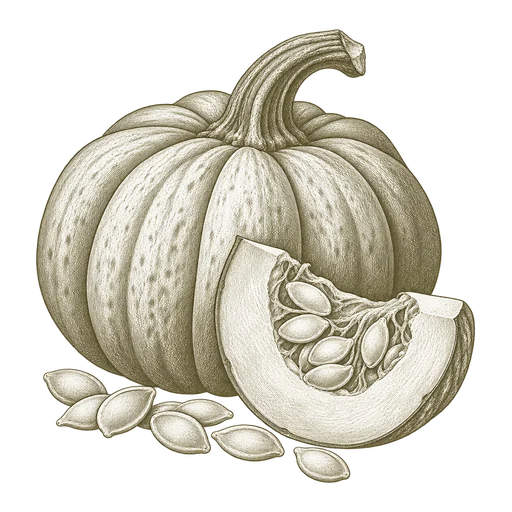
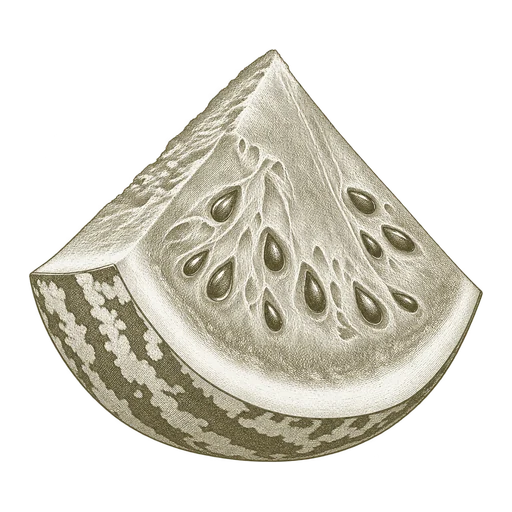
Seed ingredients in this collection include Pumpkin Seeds and Watermelon. The collection is useful for buyers comparing seed commodities, but the shared label does not make their forms or specifications interchangeable. Pumpkin Seeds may be whole, hulled, ground or processed after oil extraction. For Watermelon, first confirm that the product is seed rather than fruit, rind or a mixed by-product. Compare offers against the intended food or feed use, with the product form and analysis basis made,
Pumpkin seeds are sourced as whole seeds, kernels, ground ingredients and oil-extraction co-products. Specify the form, processing and intended food or feed use; for meal and cake, residual fat and lot analysis help distinguish the material.
Watermelon ingredients include seed flour, meal, protein concentrate and rind meal, each with different processing and composition. Identify the plant part, processing and intended food or feed use before comparing bulk offers.
Pumpkin seeds may be offered whole or as kernels, and processing can also produce meal, flour or oil-extraction residue. These forms are not interchangeable: removing the hull, grinding the seed or extracting oil changes the material and its composition.
When comparing offers, match the form and the basis of any analysis. A nutrient figure for meal on a dry-matter basis is not directly comparable with a whole-seed figure reported as received.
Clarify the Watermelon listing
The name Watermelon does not by itself establish whether the product is seed, fruit, rind or a processing by-product. Confirm the commodity identity and processing state before comparing specifications or planning a formulation. Watermelon seeds, like pumpkin seeds, may be sold in distinct whole or processed forms.
Food use and feed use are separate decisions. Evidence for one product form or livestock application does not establish suitability for another species or end use; feed applications require evaluation in the complete ration.
Set specifications for the intended use
Request a lot-specific description covering seed or kernel form, hull status, raw or roasted condition, and any grinding or oil extraction. For Watermelon, make seed identity explicit. These details help prevent unlike materials being treated as equivalent.
Choose quality measures relevant to the use and form. Buyers commonly need moisture, nutrient analysis with its basis stated, particle size for ground material, and agreed limits for foreign material. For oily seeds or kernels, discuss an appropriate oxidation measure; testing and acceptance limits should be set for the application rather than assumed to be universal.
Common questions.
Does the Watermelon listing mean watermelon seeds?+
The name alone is not definitive. Confirm that the offered commodity is seed, rather than fruit, rind or a mixed by-product.
Are whole seeds equivalent to meal or oil-extraction residue?+
No. Hull removal, grinding and oil extraction change the product form and composition. Compare specifications only when the forms and analytical bases match.
What should a bulk seed specification identify?+
At minimum, clarify the commodity, whole or processed form, hull status, processing condition and intended use. Request relevant lot-specific analysis, with the basis stated, and agree on applicable quality limits.
Does evidence of feed use establish suitability for every animal?+
No. Suitability depends on the ingredient form, species and complete ration. A nutrition professional should evaluate the specific application.
Seed ingredients · BUYER INSIGHTS
Go deeper before you source.
Focused guides to the specification, application, and delivery questions behind this ingredient.