Independent sourcing. Better connections.Commercial buyers · Bulk ingredients
tag

Rendered fats

Rendered fats are animal-derived fats produced through rendering, but the category does not identify one uniform ingredient or specification. This collection includes Chicken Fat and Poultry Fat. Buyers comparing them should first establish the declared source and intended-use grade, then compare relevant lot data and handling information against their formulation and equipment needs.

3 ingredients6 published Insights
EXPLORE THE COLLECTION

Rendered fats ingredients

Animal Products

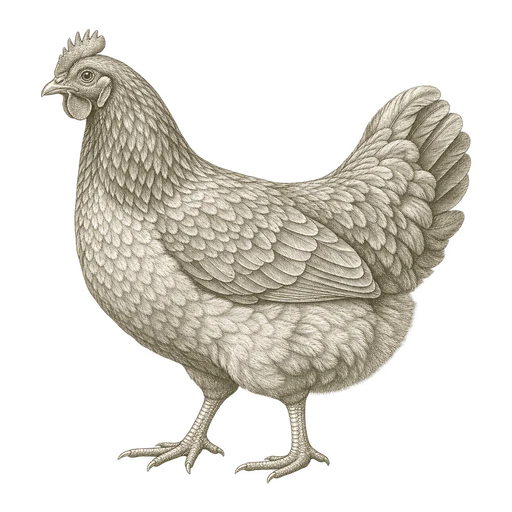
Chicken Fat

Chicken fat is a rendered or extracted poultry fat used in animal feed and pet food. Compare its processing description and lot analysis, then match packaging, receiving, and storage plans to the specific product and intended formulation.

Explore ingredient
Animal Products

Poultry Fat

Poultry fat is a rendered fat used as an energy ingredient in poultry feed. Compare source identity, quality analysis and handling instructions so the offered lot fits your formulation and receiving setup.

Explore ingredient

What this rendered fats collection includes

Rendered fats are not a single standardized ingredient. This collection brings together Chicken Fat and Poultry Fat. Chicken fat identifies a chicken source; poultry fat may describe a broader poultry-derived material. The names alone do not establish whether a lot is chicken-only, a blend, or which raw materials and processing route were used.

Treat the ingredient declaration and lot specification as the basis for comparison. Confirm source composition and intended-use grade rather than assuming the two names refer to identical materials.

Compare the specification, not just the name

Useful quality measures can include free fatty acids (FFA) or acid value, peroxide value (PV), moisture and insoluble material. FFA percentage and acid value are different measures, so check the method, units and reporting basis. PV indicates primary oxidation products, but it is not a complete measure of fat quality or a shelf-life prediction.

Ask for actual lot results alongside guaranteed limits where available, and consider color, odor or fatty-acid profile when they matter to your formulation or process. A rendering method alone does not establish a universal quality ranking: raw material and process conditions affect the resulting lot.

For feed or pet-food use, confirm the ingredient’s suitability and labeling category for the intended product. Do not infer human-food suitability from the ingredient name or from feed-use information. Confirm the offered product’s grade, documentation, packaging and handling instructions for your application.

Common questions.

Are chicken fat and poultry fat interchangeable?+

Not automatically. Chicken fat identifies a poultry source, while poultry fat may cover a broader source. Check the lot’s declared composition and specification.

Is peroxide value enough to compare rendered fats?+

No. Compare PV with other relevant specification results, methods, units and sampling information. PV alone does not describe every aspect of fat quality.

Does the rendering method determine which fat is better?+

There is no universal ranking based on method name alone. The raw material and process conditions matter, so compare the actual product specification and lot data.

Can I assume these fats are food grade?+

No. Verify the specific product’s intended-use grade and supporting documentation; the ingredient name alone does not establish human-food suitability.

Rendered fats · BUYER INSIGHTS

Go deeper before you source.

Focused guides to the specification, application, and delivery questions behind this ingredient.

FIELD GUIDE01Rendered fats
Buyer’s guide

Planning bulk receiving and storage for suet cake ingredients

Plan bulk suet cake ingredient receiving around the exact product form, order quantity, destination, packaging compatibility and storage conditions. Heat, moisture and pests are practical handling concerns for fat-based ingredients.

Read this Insight
FIELD GUIDE02Rendered fats
Buyer’s guide

Choosing dry inclusions for suet cake ingredients

Seed, meal, oats, nuts and dried fruit can affect suet cake mixing and molding in different ways. Compare ingredient forms in the intended process, then source components to match the formulation and receiving setup.

Read this Insight
FIELD GUIDE03Rendered fats
Buyer’s guide

Comparing fat sources in suet cake ingredients

Suet, tallow and lard describe different fat sources or processing states. Learn what a bulk specification should name so you can compare suet cake ingredients accurately.

Read this Insight
FIELD GUIDE04Rendered fats
Buyer’s guide

Planning poultry fat receiving and storage

Plan bulk poultry fat receiving around the product’s physical state, your unloading and storage equipment, and any supplier handling instructions. Align delivery details with your facility before arranging an offer.

Read this Insight
FIELD GUIDE05Rendered fats
Buyer’s guide

What poultry fat contributes to poultry feed formulation

Poultry fat contributes energy to poultry feed and can influence dust, particle coating, palatability and manufacturing lubrication. Its value depends on the lot analysis, complete ration and plant process.

Read this Insight
FIELD GUIDE06Rendered fats
Buyer’s guide

How to compare poultry fat quality analysis

Understand what poultry fat FFA, acid value, peroxide value, moisture, insolubles and fatty-acid profile each measure—and how to compare an offered specification with a lot analysis.

Read this Insight