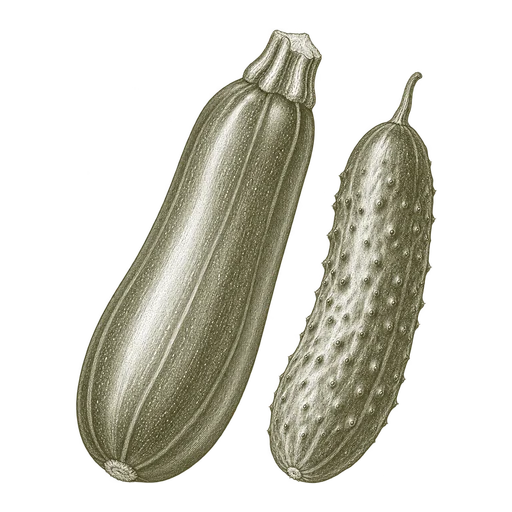
Dried Vegetables
Cucumber
Cucumber is sourced as fresh produce for slicing and pickling uses. Define the intended use, size and quality expectations, and temperature-sensitive handling needs when planning a bulk order.
Explore ingredientA buyer-focused overview of cucumber and lettuce quality, emphasizing crop-specific criteria, voluntary grading, and lot-level handling details.
Cucumber is sourced as fresh produce for slicing and pickling uses. Define the intended use, size and quality expectations, and temperature-sensitive handling needs when planning a bulk order.
Explore ingredientLettuce is sourced as fresh heads or leaves, cut product, processing residue or dried waste. The type and form determine its food or potential by-product use, the quality details to compare and the handling needed for a bulk order.
Explore ingredientProduce quality is a buyer-focused tag for cucumber and lettuce. It brings together questions about product condition and acceptance criteria; it is not a grade, certification, or guarantee of stock. The supplied ingredient names do not specify variety, fresh or processed form, packaging, origin, or intended use, so confirm those details for each lot.
For cucumbers, clarify size, color, shape, firmness, maturity, and acceptable damage or decay. For lettuce, first establish the type: head-lettuce criteria address factors such as freshness, firmness, trimming, and defects, and should not automatically be applied to romaine or loose-leaf lettuce. A shared tag does not make the crops interchangeable or give them one common quality standard.
USDA vegetable grades are voluntary market language. If a seller represents a lot by grade, specify the applicable commodity and type, and whether inspection documentation is available. A grade name alone does not establish that a lot was officially inspected or define every buyer’s acceptance limits.
Agree on product form and type, intended use, grade or specific acceptance criteria, size or count, pack, and inspection method before comparing lots. For fresh produce, also establish expected transit and storage conditions, including the recommended temperature and humidity for that product. Rough handling and unsuitable storage can reduce quality; cucumber and lettuce have different handling needs, so do not use one crop’s storage guidance for the other.
No. The tag groups related ingredients; it is not a grade or proof of inspection. Confirm the commodity-specific grade being represented and whether inspection documentation is available.
Clarify size, color, shape, maturity, firmness, and acceptable levels of damage or decay. Set the inspection method and acceptance limits for the lot.
Not automatically. Confirm the lettuce type and agree on criteria suited to that product; head-lettuce standards should not be assumed to fit other types.
Confirm the product form and type, pack, recommended temperature and humidity, and expected transit and storage conditions. Storage guidance varies between cucumber and lettuce.
Focused guides to the specification, application, and delivery questions behind this ingredient.
Plan bulk lettuce receiving around its form: prepare cold storage, match packaging to unloading equipment, protect leaves from crushing and move fresh product promptly into storage.
Read this InsightLettuce processing residue can vary by source, preparation and form. Learn how to distinguish fresh-market lettuce, fresh-cut trimmings and dried waste, and which lot-specific analysis fields help a ruminant nutritionist assess the material.
Read this InsightA practical comparison of lettuce types and fresh forms, with condition checks for leaves, cutting and handling history—and a clear distinction from dried residue.
Read this InsightPlan fresh cucumber transit and storage around the 10–12.5°C (50–55°F) temperature range, high humidity, chilling risk below 10°C (50°F), cultivar sensitivity and ethylene exposure.
Read this InsightChoose pickling cucumber size around the finished product and processing line. A useful specification defines the size measurement, acceptable uniformity, firmness and condition—not just the product name.
Read this InsightDefine cucumber size, appearance, firmness and defects around the intended slicing or pickling use. A use category is not a grade, and the applicable standard and tolerances should be specified before purchase.
Read this Insight