Produce handling brings together onions, peaches, spinach and vegetable pomace, but the collection spans distinct product forms and sourcing conditions. Whole produce requires attention to form, maturity or condition, damage and handling history. Vegetable pomace needs its own identification: the source vegetable, processing and preservation determine what the category means for a particular lot. Use these distinctions to shape bulk inquiries and compare product details against the intended use.
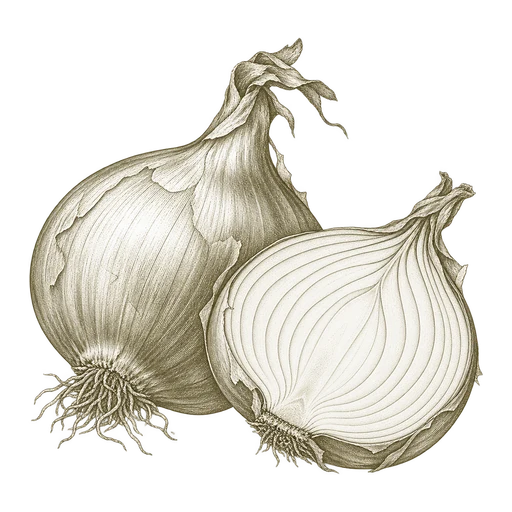
Cull onions are water-rich bulbs rejected from the fresh market, with feed-use evidence specific to particular forms and livestock trials. Compare form, moisture, condition and intended species before arranging a bulk order.
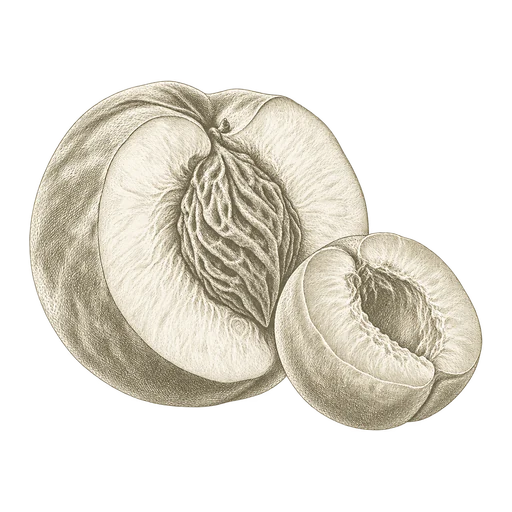
Peaches are sourced as fresh fruit and in processed forms including canned pieces, purée, juice and dried product. Identify the exact form and intended use; pomace, peel, stone and seed are separate processing materials with different composition and handling considerations.
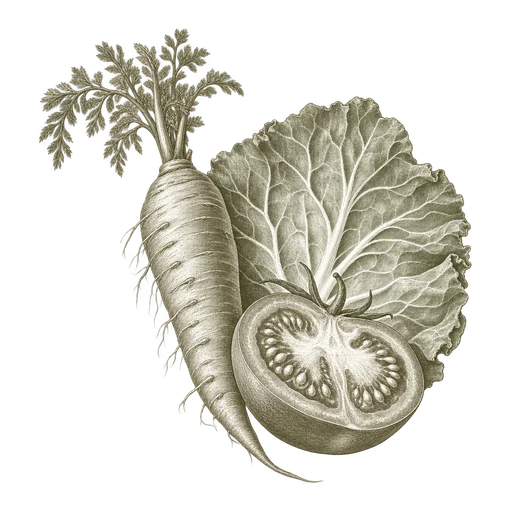
Bulk spinach is sourced as fresh leaves or dried, ground leaf, and those forms have different uses and handling needs. Fresh spinach for processing is judged by condition and cleanliness; dried leaf requires product-specific composition and storage information.
Vegetable pomace is a variable residue from vegetable processing, not a single standardized ingredient. Identify the source and processing, then compare wet or dried form, moisture and relevant analysis to determine whether a specific lot fits a feed or food application.
This collection brings together onions, peaches and spinach as whole-produce commodities, alongside vegetable pomace, a processing by-product category. Produce handling is the shared sourcing theme—not a sign that these materials have the same form, storage needs or end use.
Clarify the product form at inquiry: dry or fresh onions, whole or prepared peaches, and bunched or leaf spinach. For vegetable pomace, establish which vegetable and process generated it; the category name alone does not identify its composition or intended use.
Condition and handling affect the buying decision
Dry onions are generally assessed for maturity, firmness, curing and signs of decay or sprouting. Their storage behavior also differs from highly perishable spinach, for which temperature history, wilting, yellowing and decay are important considerations. Peaches require attention to maturity and firmness, as bruising can accelerate spoilage, particularly during distribution.
Pomace has a different set of questions: whether it is wet, dried or otherwise preserved, how it was produced, and what analysis describes its composition. Its potential use as an animal-feed ingredient depends on the particular material and processing; evidence about one pomace should not be applied to another.
What to establish before buying in bulk
Match the requested condition and form to the receiving and intended use. For fresh produce, discuss maturity or condition criteria, visible damage, temperature and handling history. For dry onions, ask whether curing and sorting have taken place.
For pomace, request the source vegetable, processing and preservation details, plus representative moisture and nutrient analyses appropriate to the intended application. In all cases, review the offered lot’s specification, inspection or sampling basis, and any handling records relevant to your requirements.
Common questions.
Are all the ingredients in this collection fresh produce?+
No. Onions, peaches and spinach are whole-produce commodities; vegetable pomace is a category of processing by-product.
What should I clarify when sourcing spinach or peaches in bulk?+
For spinach, specify the form, such as bunched or leaves, and ask about temperature and handling history. For peaches, clarify maturity or firmness, intended route and handling that could cause bruising.
What does the name vegetable pomace tell me?+
It identifies a broad by-product category, not a specific vegetable, process or composition. Ask for its origin, preservation method and relevant analysis.
Can vegetable pomace automatically be treated as a feed ingredient?+
No. Feed suitability depends on the specific by-product and its processing, so assess the material and its analysis for the intended use.
Produce handling · BUYER INSIGHTS
Go deeper before you source.
Focused guides to the specification, application, and delivery questions behind this ingredient.