Independent sourcing. Better connections.Commercial buyers · Bulk ingredients
tag

Produce

The Produce collection links two distinct crops: lettuce and pears. It is a browsing tag, not a shared grade or specification. Product form and intended use determine which quality checks, handling conditions and lot documents matter. Confirm whether an offer is fresh or processed where relevant, and define acceptance criteria before comparing bulk options.

2 ingredients6 published Insights
EXPLORE THE COLLECTION

Produce ingredients

Dried Vegetables

Lettuce

Lettuce is sourced as fresh heads or leaves, cut product, processing residue or dried waste. The type and form determine its food or potential by-product use, the quality details to compare and the handling needed for a bulk order.

Explore ingredient
Dried Fruits

Pears

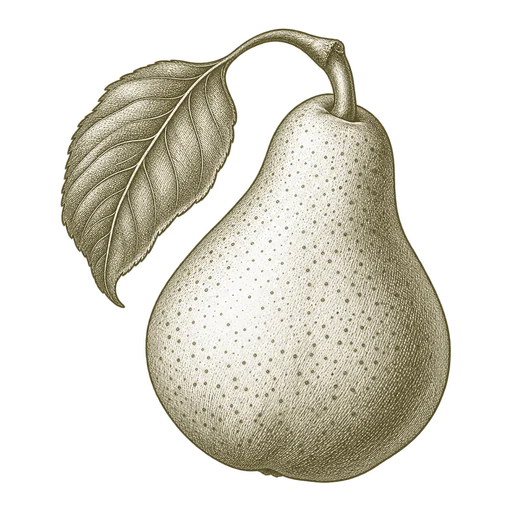
Pears are sourced as whole fresh fruit and as distinct processing products such as pulp, pomace and silage. Identify the form and intended use first: fresh-fruit maturity and handling requirements differ from feed-by-product analysis, receiving and storage needs.

Explore ingredient

Two crops, different buying requirements

This Produce collection brings together lettuce and pears, not a single commodity with one shared specification. The crop, condition and intended use shape what matters in a purchase. For lettuce, clarify the exact type and whether it is whole or otherwise prepared; the collection name alone does not establish those details.

For pears, specify whether the lot is fresh or processed. Those forms are not interchangeable, and the word “pears” does not define a processing state. Do not infer that a listing includes dried fruit or a processing byproduct.

Match quality checks to the product

Fresh pears can be assessed using measures such as flesh firmness and soluble solids, alongside size and visible defects. Which criteria matter depends on whether the fruit is intended for fresh sale or processing. Agree on the relevant measures and acceptance criteria for the intended application.

For lettuce, define the product form and condition you require rather than applying a generic produce specification. Handling and storage needs also depend on the exact product and supply arrangement; confirm how the lot will be packed, transported and received.

Specify the lot before comparing offers

When evaluating bulk options, align the commodity name, form, intended use and quality criteria first. Then compare packaging, delivery timing, storage expectations and the lot documentation available. For food or feed applications, confirm that the specific product and its documentation support that use; a Produce tag does not establish suitability or certification.

Common questions.

Does the Produce collection mean the products are fresh?+

Not necessarily. It includes lettuce and pears, but the collection name does not specify the condition or processing state of an offered lot. Confirm the form directly.

What should I specify when buying pears in bulk?+

State whether you need fresh or processed pears, the intended use, and the quality criteria relevant to that use. Fresh-fruit checks can include firmness, soluble solids, size and defects.

Can I use the same quality specification for lettuce and pears?+

No. They are different crops with different product forms and quality considerations. Set criteria for the specific commodity and application.

Does the Produce tag confirm suitability for feed or pet food?+

No. The tag does not establish species-specific suitability, safety or nutritional value. Confirm product-specific documentation and obtain qualified formulation guidance for feed or pet-food use.

Produce · BUYER INSIGHTS

Go deeper before you source.

Focused guides to the specification, application, and delivery questions behind this ingredient.

FIELD GUIDE01Produce
Buyer’s guide

Bulk pear pomace receiving and storage decisions

Plan bulk pear pomace delivery around its specific form, order basis, unloading setup and storage conditions. Wet, dried and ensiled material require different receiving decisions.

Read this Insight
FIELD GUIDE02Produce
Buyer’s guide

Pear pomace in cattle and sheep rations: questions to resolve

Pear pomace can be evaluated as a cattle or sheep ration component, but its role depends on the specific product, lot analysis and ration context. Distinguish the offered form and intended species before making formulation or sourcing decisions.

Read this Insight
FIELD GUIDE03Produce
Buyer’s guide

Pear pomace quality analysis: what feed buyers should compare

Compare pear pomace for ruminant feed by aligning moisture and nutrient results on the same analytical basis, then interpreting protein, fiber, sugars, ash and condition in the context of a current lot.

Read this Insight
FIELD GUIDE04Produce
Buyer’s guide

Planning cold-chain receiving for bulk lettuce

Plan bulk lettuce receiving around its form: prepare cold storage, match packaging to unloading equipment, protect leaves from crushing and move fresh product promptly into storage.

Read this Insight
FIELD GUIDE05Produce
Buyer’s guide

Evaluating lettuce processing residue for a ruminant ration

Lettuce processing residue can vary by source, preparation and form. Learn how to distinguish fresh-market lettuce, fresh-cut trimmings and dried waste, and which lot-specific analysis fields help a ruminant nutritionist assess the material.

Read this Insight
FIELD GUIDE06Produce
Buyer’s guide

How to compare lettuce quality by type, form and condition

A practical comparison of lettuce types and fresh forms, with condition checks for leaves, cutting and handling history—and a clear distinction from dried residue.

Read this Insight