Independent sourcing. Better connections.Commercial buyers · Bulk ingredients
tag

Processing by-products

Processing by-products covers residues produced when ingredients are processed; it does not describe one consistent bulk material. In this collection, pears and tomato are the member ingredients. Their processing residues can differ in composition, form, and intended use according to the process and the proportions of pulp, peel, and seeds. Buyers should identify the actual material and evaluate each lot for its planned application.

2 ingredients6 published Insights
EXPLORE THE COLLECTION

Processing by-products ingredients

Dried Fruits

Pears

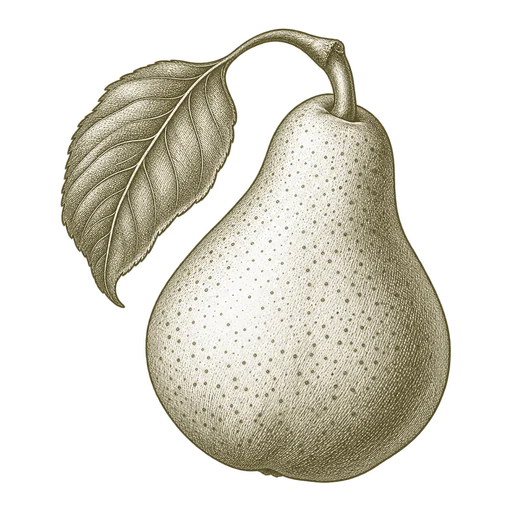
Pears are sourced as whole fresh fruit and as distinct processing products such as pulp, pomace and silage. Identify the form and intended use first: fresh-fruit maturity and handling requirements differ from feed-by-product analysis, receiving and storage needs.

Explore ingredient
Dried Vegetables

Tomato

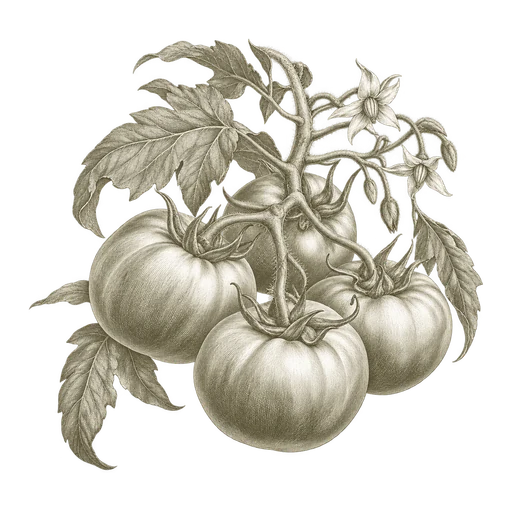
Tomato pomace is a tomato-processing residue supplied in wet, dried, powdered or preserved forms. Compare the form, composition and intended feed or food use, since moisture and the proportions of skins, seeds and pulp affect handling and formulation.

Explore ingredient

Residue names do not define a uniform ingredient

Processing by-products describes materials left after processing, not a single formulation. Pear materials may be described as pulp or pomace; tomato materials may include pomace, skins, seeds, pulp, or blends. The amount of each component depends on the process, so the product name alone cannot establish composition or end use.

These differences matter in bulk buying: seed-rich tomato residue can differ in fat content from material with more skins or pulp, while pear pulp and a prepared pear-pomace flour are distinct products.

Match form and intended use

Feed and food uses require separate evaluation. Research includes animal-feed uses for some pear and tomato residues, as well as a food-ingredient study of processed pear pomace. Those examples do not establish that an unspecified feed-grade lot is suitable for human food or pet food.

Fresh, dried, and ensiled tomato pomace also have different handling needs. Fresh material is perishable; dried material and silage have their own storage and quality considerations. Confirm the actual form and preservation method before planning transport, receiving, or storage.

Compare lots on useful details

For a feed lot, request analysis relevant to the ration, including moisture or dry matter, protein, fat, and fiber. Consider ash and other measures that affect your formulation. Compare results on the same basis, such as dry matter, rather than relying on typical published values as a guarantee.

Clarify the source process, residue mix, packaging, and storage history. For wet or ensiled material, include preservation method and packaging condition in receiving checks. Confirm intended-use documentation against your own quality and regulatory requirements.

Common questions.

What can pear or tomato processing by-products contain?+

Depending on the process, pear materials may be pulp or pomace; tomato materials may contain skins, seeds, pulp, or a blend. Ask for the specific material description.

Can buyers use published nutrient values as a lot specification?+

No. Composition varies with processing and residue mix. Use lot-specific analysis and check whether results are reported on an as-fed or dry-matter basis.

What should buyers check for fresh or ensiled tomato pomace?+

Confirm its preservation method, moisture or dry matter, packaging integrity, and storage condition. Fresh pomace is perishable, so handling and delivery plans matter.

Does feed-grade pear or tomato residue qualify for food use?+

Not by name alone. Verify the lot's intended-use documentation and suitability against the requirements for the specific food or feed application.

Processing by-products · BUYER INSIGHTS

Go deeper before you source.

Focused guides to the specification, application, and delivery questions behind this ingredient.

FIELD GUIDE01Processing by-products
Buyer’s guide

Planning tomato pomace receiving and storage by form

Bulk tomato pomace receiving depends on form. Plan wet material for prompt use or preservation, protect dry forms from moisture and contamination, and match unloading and storage arrangements to the product arriving.

Read this Insight
FIELD GUIDE02Processing by-products
Buyer’s guide

Questions to resolve before using tomato pomace powder in bread

A focused formulation framework for evaluating tomato pomace powder in bread, from food-use identity and particle form through controlled dough and loaf testing.

Read this Insight
FIELD GUIDE03Processing by-products
Buyer’s guide

How to compare tomato pomace analysis and moisture basis

Compare tomato pomace analysis on a consistent basis. Moisture, dry matter, protein, fat, ash and the named fiber method all affect how a lot report should be read.

Read this Insight
FIELD GUIDE04Processing by-products
Buyer’s guide

Bulk pear pomace receiving and storage decisions

Plan bulk pear pomace delivery around its specific form, order basis, unloading setup and storage conditions. Wet, dried and ensiled material require different receiving decisions.

Read this Insight
FIELD GUIDE05Processing by-products
Buyer’s guide

Pear pomace in cattle and sheep rations: questions to resolve

Pear pomace can be evaluated as a cattle or sheep ration component, but its role depends on the specific product, lot analysis and ration context. Distinguish the offered form and intended species before making formulation or sourcing decisions.

Read this Insight
FIELD GUIDE06Processing by-products
Buyer’s guide

Pear pomace quality analysis: what feed buyers should compare

Compare pear pomace for ruminant feed by aligning moisture and nutrient results on the same analytical basis, then interpreting protein, fiber, sugars, ash and condition in the context of a current lot.

Read this Insight