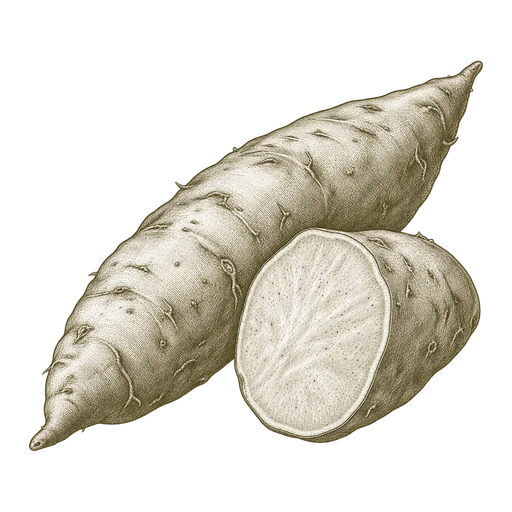
Plant ingredients is a focused collection currently featuring sweet potato, a plant-derived ingredient grown for its storage roots. It is not a broad directory of botanical meals, oils, or proteins. Sweet potato itself can refer to different materials and forms, so buyers should identify what an offer contains before comparing it: root or foliage, fresh or dried, and whole, cut, or milled. The product name alone does not establish processing, composition, or intended use.
Sweet potato bulk materials include roots, vines and processing co-products. Identify the plant part, form and processing method first, then compare composition and handling needs for the intended food or feed use.
This collection currently includes sweet potato, a plant-derived ingredient grown for its storage roots. It is a narrow grouping rather than a directory of plant meals, oils, or proteins. The name alone does not specify whether a product is fresh, dried, or further processed, and sweet-potato foliage is a distinct material from the root.
Start by identifying the exact form and intended market: livestock feed, pet food, or human food. The available ingredient example does not establish which forms or uses are offered.
Form changes the buying decision
Fresh roots and dried root products have different moisture, handling, and storage needs. Dried sweet potato has been described as an energy-source ingredient for livestock feed, but that does not establish the composition or suitability of a particular lot. For feed use, compare the intended species and ration role alongside a current analysis and product specification.
When comparing offers, distinguish whole roots from dried pieces, meal, peel, or foliage. Check that the specification identifies the material and processing clearly; a product name by itself cannot confirm nutrient content or regulatory status.
Match handling to the product
Fresh sweet potatoes need different postharvest conditions from dried products. Fresh-root guidance emphasizes soundness and protection from chilling; do not apply fresh-produce storage recommendations to dried meal. For dried forms, use handling and storage requirements stated for the actual product rather than assuming one regime fits every form.
Common questions.
What does “sweet potato” identify in this collection?+
It identifies the supplied member ingredient, but not its form. Confirm whether the offer is root or foliage, fresh or dried, and whether it is whole, cut, or milled.
Is sweet potato in this collection necessarily a livestock-feed ingredient?+
No. Dried sweet potato has been described for livestock feed, but that does not establish the intended use or suitability of a particular offer. Confirm the product specification and intended market.
What should I compare when evaluating dried sweet potato for feed?+
Compare processing, intended species and ration use, and a current lot-specific analysis. Review moisture, crude protein, crude fibre, and any other measures required by your formulation and quality program.
Can fresh-root storage guidance be used for dried sweet potato?+
No. Fresh roots and dried products have different handling needs. Follow requirements relevant to the offered form and its specification.
Plant ingredients · BUYER INSIGHTS
Go deeper before you source.
Focused guides to the specification, application, and delivery questions behind this ingredient.