Independent sourcing. Better connections.Commercial buyers · Bulk ingredients
tag

Plant-based ingredients

This plant-based ingredient collection brings together Almond Meal, Pea Flour, Pumpkin and Sunflower Hearts. The tag is a browsing aid, not a claim that these materials have the same composition or function. For bulk purchasing, confirm exact identity, processing and intended-use fit before comparing specifications or offers.

4 ingredients6 published Insights
EXPLORE THE COLLECTION

Plant-based ingredients ingredients

Tree Nuts

Almond Meal

Almond meal can mean ground edible kernels or oil-extraction press cake, and the distinction affects composition and bakery performance. Identify the almond fraction, compare its lot analysis and match its form to your formulation and receiving setup.

Explore ingredient
Pulses

Pea Flour

Pea flour is milled from dried peas and used in foods including baked goods, pasta, snacks, batters and sauces. Whole-seed, dehulled, fractionated and pregelatinized forms differ in composition and function, so compare processing details and application-relevant specifications.

Explore ingredient
Dried Vegetables

Pumpkin

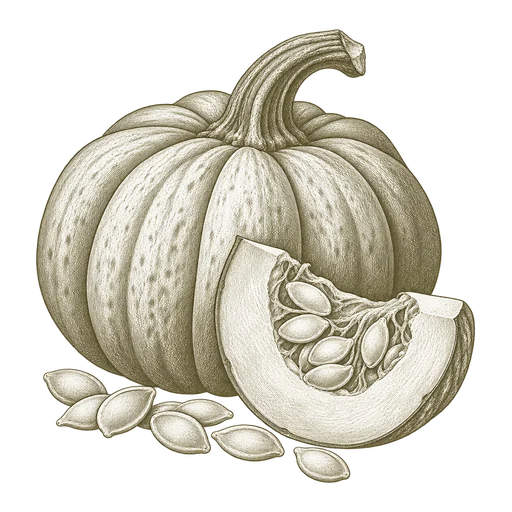
Pumpkin is sourced as distinct ingredients—including pulp, peel, seeds and processing residues—in fresh, dried or other processed forms. Match the plant part and processing method to the intended food or feed use, then compare moisture, particle form and relevant analysis.

Explore ingredient

A broad collection, not a single ingredient class

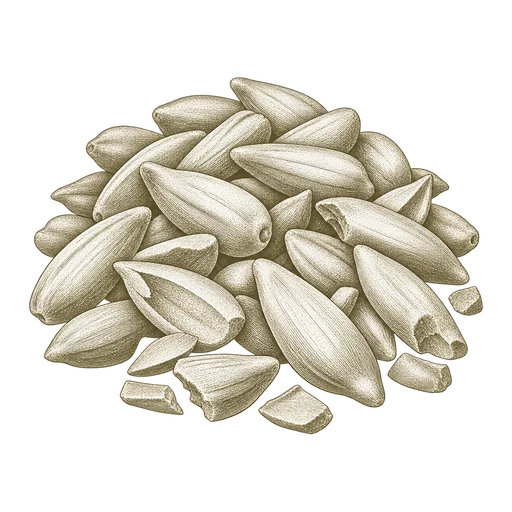
Plant-based ingredients here span different botanical sources and physical forms. Almond Meal is ground nut, Pea Flour is milled pulse, Sunflower Hearts are kernels, and the name Pumpkin does not identify whether the material is flesh, seed or a seed-derived product. These entries are useful to browse together, but they are not interchangeable.

For food manufacturing, form can shape texture and performance. Almond Meal is generally coarser than almond flour; pea flour’s properties depend partly on how the peas are prepared and milled. Confirm each listing’s identity and processing before comparing it with another ingredient.

Define the material before comparing offers

Start with the intended application, then specify the form it requires. For almond meal, clarify particle size and whether it is blanched, natural, roasted or unroasted. For pea flour, ask whether it is whole-seed or dehulled and whether it received heat treatment. For Sunflower Hearts, confirm that the offered product is hulled kernels rather than sunflower meal.

Clarify Pumpkin first: the plant part and processing determine what it is and what comparisons are relevant. Do not use seed-flour properties to assess an unspecified pumpkin product.

Check specification, handling and allergen details

Request a lot-specific specification and test results relevant to the product form and intended use. Depending on the ingredient, useful details may include moisture, particle size, foreign material, microbiological criteria, fat content and oxidation-related measures. Set acceptance limits for your application rather than assuming one grade or test panel fits every entry.

Packaging and storage matter for fat-containing kernels and meals; confirm recommended conditions for the offered product and route. For human food, almond is a major U.S. food allergen, so review allergen and cross-contact documentation for the actual supply chain.

Common questions.

Are these ingredients interchangeable plant proteins?+

No. The collection includes nut meal, pulse flour, kernels and an unspecified pumpkin product. Their forms and formulation properties differ.

Does Pumpkin mean pumpkin seed flour?+

Not necessarily. Confirm whether the listing is pumpkin flesh, seeds, seed meal or seed flour before evaluating a specification or application.

Are Sunflower Hearts the same as sunflower meal?+

No. Hearts are kernels with the hull removed; sunflower meal is a distinct oil-extraction product. Confirm the offered product’s identity.

What should a bulk buyer compare?+

Compare exact identity and form, processing, lot-specific specification and test results, packaging, storage guidance, and allergen or cross-contact information where relevant.

Plant-based ingredients · BUYER INSIGHTS

Go deeper before you source.

Focused guides to the specification, application, and delivery questions behind this ingredient.

FIELD GUIDE01Plant-based ingredients
Buyer’s guide

Planning bulk sunflower hearts receiving and storage

Plan a bulk sunflower hearts order around your site’s receiving capabilities and storage conditions. Dehulled kernels need product-specific handling decisions; whole-seed storage guidance should not be applied automatically.

Read this Insight
FIELD GUIDE02Plant-based ingredients
Buyer’s guide

Choosing sunflower hearts for sunflower seed butter

A practical guide to defining raw or roasted, whole or broken sunflower hearts—and the cleanliness, condition and food-safety requirements needed for sunflower seed butter.

Read this Insight
FIELD GUIDE03Plant-based ingredients
Buyer’s guide

How to compare sunflower hearts specifications and lot analysis

Compare sunflower hearts by physical form and processing state as well as by analysis. Learn how moisture, nutrient reporting basis, foreign material and kernel condition shape a useful lot specification.

Read this Insight
FIELD GUIDE04Plant-based ingredients
Buyer’s guide

Planning delivery and storage for bulk pumpkin ingredients

Fresh pumpkin, wet processing residues and dried pumpkin ingredients require different delivery and storage plans. Match the product form to your receiving equipment, timing and storage conditions before arranging a bulk shipment.

Read this Insight
FIELD GUIDE05Plant-based ingredients
Buyer’s guide

Choosing pumpkin pulp powder for bakery and premix formulations

A practical guide to assessing pumpkin pulp powder for bakery products and premixes, with a focus on plant-part identity, moisture, particle form and product-specific food documentation.

Read this Insight
FIELD GUIDE06Plant-based ingredients
Buyer’s guide

How to compare pumpkin ingredient specifications by plant part

Compare pumpkin ingredient offers by plant part, processing form and analytical basis. Pulp, peel, seeds and mixed residues have distinct characteristics, while moisture and particle size affect how specifications should be read.

Read this Insight