Tree Nuts
Pecans
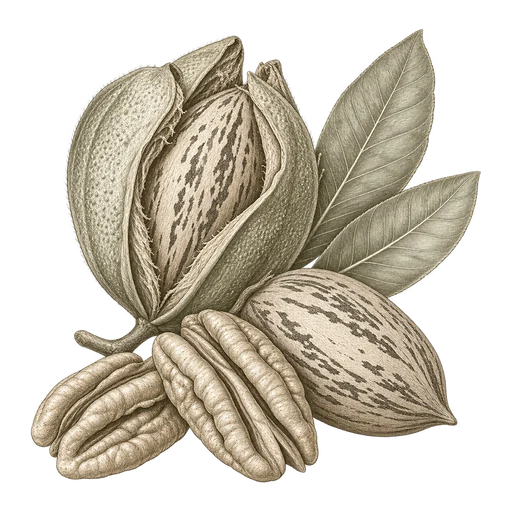
Pecans are edible tree-nut kernels sourced as halves, pieces, meal or flour for food production. Match the form to the finished product, then compare lot-specific moisture, size, condition and storage information.
Explore ingredientThis collection brings together pecans and pistachios as shelled nut ingredients. It is a browsing category, not a common grade: pecan halves and pieces require different form specifications from pistachio kernels, whose raw, roasted and salted conditions should be stated explicitly. Buyers can compare bulk offers more clearly by defining product form, lot quality criteria and relevant documentation before purchase.
Pecans are edible tree-nut kernels sourced as halves, pieces, meal or flour for food production. Match the form to the finished product, then compare lot-specific moisture, size, condition and storage information.
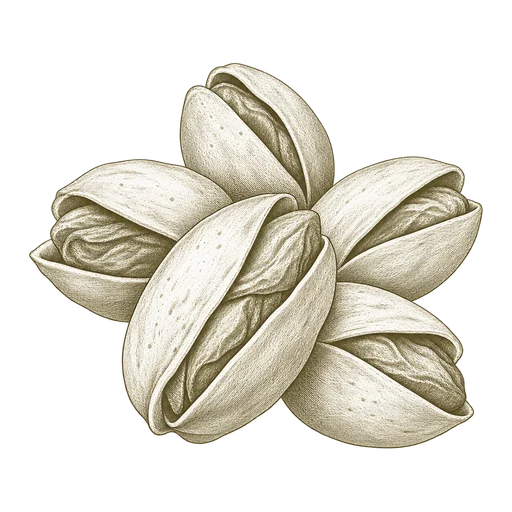
Explore ingredientPistachios are sourced as in-shell nuts, shelled kernels and processed forms for snacks, bakery, frozen desserts, sauces and confections. Define the product form, processing and quality requirements together, since shelling, roasting, seasoning and particle size change how the ingredient fits a food application.
Explore ingredientNut kernels are shelled nutmeats, not a shared grade or specification. This collection groups two distinct ingredients: pecans and pistachios. Their forms, quality measures and handling considerations differ, so specify the nut itself rather than sourcing simply by the broad category name.
Pecans may be sold as halves, halves-and-pieces, or pieces, with size descriptions that help buyers define appearance and processing needs. Pecan quality descriptions also address factors such as kernel development, color, moisture and defects.
Pistachio kernels are specified by condition, including raw, roasted, salted, or salted and roasted. Quality criteria can include dryness, foreign material, immature or spotted kernels, mold, insect damage and rancidity. These distinctions make pecans and pistachios unsuitable as interchangeable line items.
For pecans, state the required form and size, then align on moisture, color and defect criteria. For pistachios, specify processing and salt status, and identify relevant quality checks, including aflatoxin testing when required for the intended shipment. Request documentation tied to the lot and clarify the sample basis and test method.
Nut condition and storage requirements are product-specific. Pecan storage guidance should not be assumed to apply to pistachios, and a grade description does not establish storage life. Confirm the intended use and any applicable food-safety, handling or documentation requirements for the product being purchased.
No. They are different ingredients with distinct forms, quality criteria and processing conditions. Specify the nut and its form directly.
Identify halves, halves-and-pieces, or pieces, and include the size or count description needed for the product.
Specify whether kernels are raw or roasted and whether salt is acceptable. Identify any relevant lot quality checks and required documentation.
No. Grade language describes quality attributes; storage life depends on product condition and handling, and guidance for pecans should not be generalized to pistachios.
Focused guides to the specification, application, and delivery questions behind this ingredient.
Plan bulk pistachio receiving around the offered form and packaging, then protect the product from damp conditions and unnecessary exposure to air, warmth and light.
Read this InsightCompare whole pistachio kernels, pieces, meal and paste by the texture and visibility they bring to bakery and confectionery. Then define raw or roasted status, salt and the finished-product requirements before sourcing.
Read this InsightA practical guide to defining and comparing pistachio specifications, from kernel size and defects to moisture, aflatoxin and oxidation testing.
Read this InsightPlan bulk pecan receiving around the product form, package and unloading setup. Protect kernels from humidity, contamination and unnecessary handling, and use storage guidance specific to the offered product rather than relying on a universal shelf-life assumption.
Read this InsightChoose pecan halves, pieces, meal or flour according to the finished product’s appearance, desired particle size and mixing process. Define the form clearly before comparing bulk offers.
Read this InsightCompare the grade basis with current lot information for shelled pecans. Moisture, kernel development, color, defects, size and uniformity each describe a different purchase consideration.
Read this Insight