What this collection covers
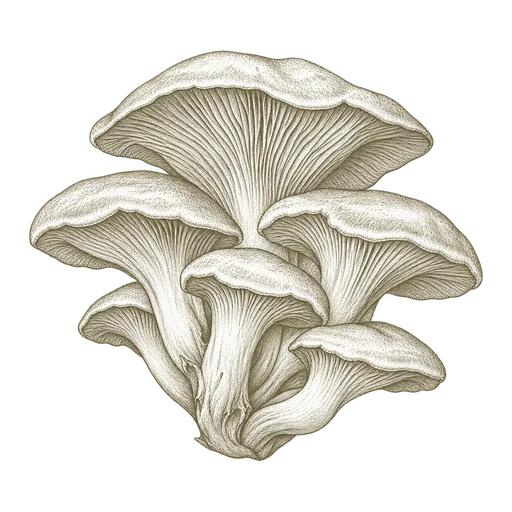
Mushroom ingredients is a broad category, not a single standardized product. The supplied collection includes Mushrooms, but the name alone does not specify species, part, processing method, or intended use. Those details matter when comparing products for food manufacturing, feed, or another application.
Edible mushroom tissue—such as caps, stems, or processing pieces—should also be distinguished from spent mushroom substrate (SMS), the growing medium remaining after harvest. SMS is a separate, variable material; it is not another name for dried mushrooms.
Forms and intended use
Mushrooms can be offered fresh, frozen, canned, or dried. Processing may also produce pieces or powder, but the form and any additional processing should be confirmed for the specific product rather than inferred from the collection tag. Form affects handling and how an ingredient fits into a manufacturing process.
Food and feed uses require different evaluation. Research describes selected mushroom materials and SMS in animal diets, but findings for one material or animal do not establish suitability for a different lot or formulation. Feed buyers should assess the specific material with a qualified nutritionist.
What to compare before buying
Start with species or common name, mushroom part, and whether the material is edible tissue or SMS. Confirm processing and physical form, then match the specification to the intended market. For dried ingredients, relevant checks can include moisture, foreign matter, particle size, microbiological criteria, and lot traceability.
For feed materials, request composition data with its reporting basis, such as as-fed or dry matter; fiber measures and information about the original substrate can also help distinguish SMS lots. Compare packaging, storage, and handling details alongside the specification, since product identity and condition are not established by the tag.
Common questions.
Are all mushroom ingredients interchangeable?+
No. Species, mushroom part, processing, and intended use differ. Spent mushroom substrate is especially distinct from edible mushroom tissue.
What details should I confirm for dried mushrooms?+
Confirm species, form, intended use, lot traceability, and relevant criteria for moisture, foreign matter, particle size, and microbiological quality.
Can spent mushroom substrate be used in animal feed?+
Some research examines SMS in animal diets, but suitability depends on the material, its original substrate, and the animal and ration. Evaluate the specific lot rather than applying results from another diet.