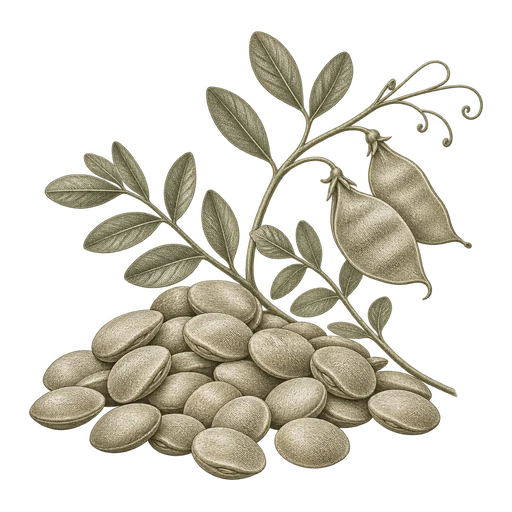
Pulses
Black Beans
Dry black beans are used in packaged foods, prepared dishes and canning. Compare whole versus broken or split composition, and assess canning performance separately when the beans will be processed.
Explore ingredientExplore bulk legumes including black beans, chickpeas, lentils, green peas, kidney beans and vetch. Compare products by class, form and intended use, and clarify lot specifications before purchase.
Dry black beans are used in packaged foods, prepared dishes and canning. Compare whole versus broken or split composition, and assess canning performance separately when the beans will be processed.
Explore ingredientChickpeas are dry edible pulses sold as Kabuli or Desi seed, whole, split, dehulled or milled into flour. Choose class and form to match the food process or formulation, and compare lot moisture, size, defects and receiving needs.
Explore ingredientGreen lentils are dry pulse seeds sold in forms such as whole, split, dehulled and flour. Compare the processing form, grade documentation, color, moisture and cleanliness against the needs of your food process or reviewed feed formulation.
Explore ingredientGreen peas can mean tender garden peas for food or mature dry field peas for livestock feed. Identify the maturity, processing and intended use first; those choices determine the relevant quality checks, handling and bulk order details.
Explore ingredientKidney beans are dry edible beans sold in distinct color classes and forms, from whole beans to processed meal or flour. Specify the class, form and intended use so quality measures, processing history and receiving needs can be evaluated together.
Explore ingredientLentils are pulse seeds sold as whole, split or dehulled product for food processing and, with lot-specific evaluation, some feed uses. Specify the form, type and quality measures that match your application.
Explore ingredientCommon vetch is sourced as feed seed or as forage for grazing, hay and silage. These forms have different quality and handling considerations; identify the species, intended use and relevant lot analysis before comparing bulk offers.
Explore ingredientLegumes is a broad category, not one commodity specification. This collection includes black beans, kidney beans, chickpeas, green lentils, lentils, green peas and vetch. Beans, chickpeas, lentils and dried peas can be traded as edible dry seeds, but the category name alone does not confirm any item’s form or intended use.
Green peas need a form check: dried green peas are pulses, while fresh or frozen peas are different products. Vetch also needs separate identification. Confirm its species and whether the product is seed, forage or hay before assessing its suitability.
Black beans, kidney beans and chickpeas are distinct market classes, not interchangeable just because they are legumes. Lentils also vary by class and appearance; green lentils should not be assumed to match every product sold simply as lentils. Whole, split, dehulled and cleaned forms can have different uses and handling needs, so specify the form you require.
Vetch should not be treated as an ordinary edible pulse or feed-ready ingredient based on its name alone. Species, plant part, processing and intended use all matter.
For a bulk purchase, define the ingredient’s market class or species, form, intended use and specification basis. Depending on the product and process, useful lot details can include moisture, foreign material, seed size, splits, damaged or discolored seeds, and grade. Agree on relevant acceptance criteria for the specific commodity rather than applying one set of limits to the whole category.
Ask for current lot documentation when analytical or inspection results are important to your use. Also confirm packaging and moisture protection against your receiving and storage setup.
The category name does not establish the form. Confirm whether the product is dried, fresh or frozen; dried green peas are pulses.
Not necessarily. Confirm the lentil class, color, whole or split form, and any applicable lot specification.
Identify the species, whether it is seed or forage, its processing and its intended use. The name alone does not establish food or feed suitability.
Depending on the ingredient and use, compare form, moisture, foreign material, size, damaged or discolored seeds, grade and relevant lot-specific analytical or inspection results.
Focused guides to the specification, application, and delivery questions behind this ingredient.
Bulk vetch receiving depends on whether the shipment is seed, baled hay, silage or mixed forage. Match the product form to unloading equipment, packaging and storage conditions before arranging delivery.
Read this InsightCommon-vetch seed formulation depends on the exact product, processing, lot analysis and intended animal group. Learn what to clarify with a nutrition professional before sourcing.
Read this InsightA practical guide to interpreting moisture, protein, fiber and selected antinutritional-factor tests when evaluating common vetch seed for feed.
Read this InsightPlan bulk lentil receiving around product form, shipment quantity, facility equipment and storage conditions. Moisture assessment and lot storage history help inform acceptance and handling decisions.
Read this InsightChoose whole, split or dehulled lentils according to the role, appearance and structure required in the finished food. This guide compares the forms for soups, stews, casseroles and salads, and explains which details to define in a bulk specification.
Read this InsightCompare bulk lentil offers by identifying the grade basis and separately defining the quality measures that matter to your process.
Read this Insight