Independent sourcing. Better connections.Commercial buyers · Bulk ingredients
tag

Legume ingredients

Legume ingredients in this collection are chickpea flour and green lentil flour: two pulse flours for food formulation with different crop identities and potentially different processing and functional behavior. Bulk buyers should compare flour form, particle size, lot documentation, and fit with the target process rather than assume the products are interchangeable.

2 ingredients6 published Insights
EXPLORE THE COLLECTION

Legume ingredients ingredients

Pulses

Chickpea Flour

Chickpea flour is milled from chickpeas for use in breads, baked goods, tortillas, pasta, batters and other foods. Processing history and particle size affect formulation behavior, so compare those details alongside analysis and receiving requirements when sourcing in bulk.

Explore ingredient
Pulses

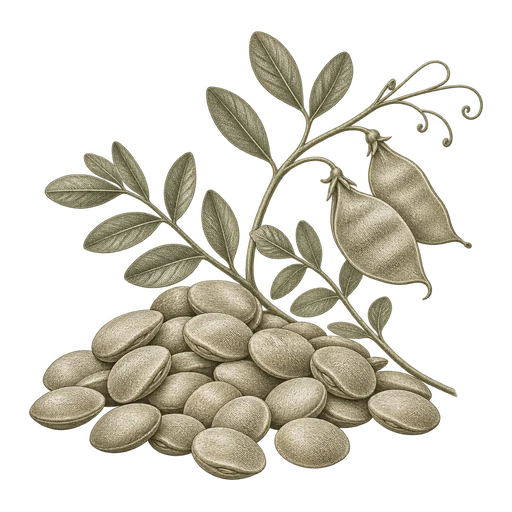
Green Lentil Flour

Green lentil flour is milled from green lentil seed for food product development, including bakery, pasta, snack and other formulations. Compare whole-seed or dehulled status, heat treatment and particle size because these differences can affect color and processing behavior.

Explore ingredient

Two crops, distinct flour characteristics

This collection brings together chickpea flour, milled from chickpeas, and green lentil flour, milled from lentils. They are both pulse flours, but their crop identities and processing can affect how they behave in a recipe. They should not be treated as automatically interchangeable.

Flour particle size and heat treatment matter too. Untreated flour and pre-cooked or otherwise heat-treated flour are distinct forms; processing can change properties such as water holding and pasting behavior. For green lentil flour, clarify whether it is whole-seed or dehulled and what processing it has received.

Match flour form to the food process

Chickpea and lentil flours are used in foods such as baked goods and pasta, often in blends. Chickpea flour is also used in cooked foods such as falafel and farinata. These are possible applications, not a guarantee of performance in a particular formula.

Neither flour supplies wheat gluten, so a direct wheat-flour substitution—especially in leavened products—should not be assumed to work. Test the flour in the intended recipe and process, including cooking or baking conditions.

Compare specifications before buying in bulk

For a bulk food-use purchase, compare crop identity, whole or dehulled basis, raw or heat-treated status, and particle-size distribution. Request lot-specific moisture and composition information, such as protein or ash, when those measures affect your process. Add application-specific functionality tests if water absorption, flow, or cooking performance is critical.

Also confirm the lot documentation, packaging, and product-specific storage instructions. There are no universal acceptance limits implied for these flours; set requirements around your intended use and verify them against the offered lot.

Common questions.

Can chickpea flour replace green lentil flour one-for-one?+

Do not assume a one-for-one replacement will perform the same. The crops differ, and processing and particle size can affect flour behavior. Test each flour in the target formula.

Does the word “flour” tell me whether it is heat-treated?+

No. Confirm whether the flour is untreated, pre-cooked, roasted, or otherwise heat-treated; these are distinct forms and can behave differently.

What processing details should I compare for green lentil flour?+

Confirm whether it is whole-seed or dehulled, its particle-size distribution, and whether it has been heat-treated. Clarify the variety if that matters to your specification.

Can either flour substitute directly for wheat flour in bread?+

Neither supplies wheat gluten, so direct substitution in leavened products should not be assumed to work. Evaluate a suitable blend or formulation in your process.

Legume ingredients · BUYER INSIGHTS

Go deeper before you source.

Focused guides to the specification, application, and delivery questions behind this ingredient.

FIELD GUIDE01Legume ingredients
Buyer’s guide

Planning bulk receiving and storage for green lentil flour

Prepare a green lentil flour order around the quantity, destination, timing and receiving method your facility can support. Obtain product-specific storage, shelf-life, traceability and cross-contact information before setting the flour into inventory.

Read this Insight
FIELD GUIDE02Legume ingredients
Buyer’s guide

Evaluating green lentil flour in pasta and extruded foods

A practical trial framework for evaluating green lentil flour in pasta and other extruded foods, from flour characteristics and process variables to finished-product assessment.

Read this Insight
FIELD GUIDE03Legume ingredients
Buyer’s guide

How to compare green lentil flour specifications for food production

Compare green lentil flour offers on the processing and test details that affect food production: seed preparation, heat treatment, particle size, moisture, protein reporting basis, color and relevant test methods.

Read this Insight
FIELD GUIDE04Legume ingredients
Buyer’s guide

Planning Bulk Chickpea Flour Receiving and Storage

Plan bulk chickpea flour receiving around the required product, quantity, destination, packaging fit and facility unloading setup. Protect the flour from moisture and follow the storage instructions supplied for the specific product and lot.

Read this Insight
FIELD GUIDE05Legume ingredients
Buyer’s guide

What Chickpea Flour Changes in Pasta Formulation

Chickpea flour brings chickpea solids, including protein and dietary fiber, into pasta. Its effects on dough handling, firmness and flexibility depend on the flour and process, so formulation teams should evaluate processing state, particle size and finished-product goals in their own trials.

Read this Insight
FIELD GUIDE06Legume ingredients
Buyer’s guide

How to Compare Chickpea Flour Particle-Size Specifications

Learn how to interpret chickpea flour sieve results, compare particle-size distributions, and connect specification details to your food process.

Read this Insight