Independent sourcing. Better connections.Commercial buyers · Bulk ingredients
tag

Insect ingredients

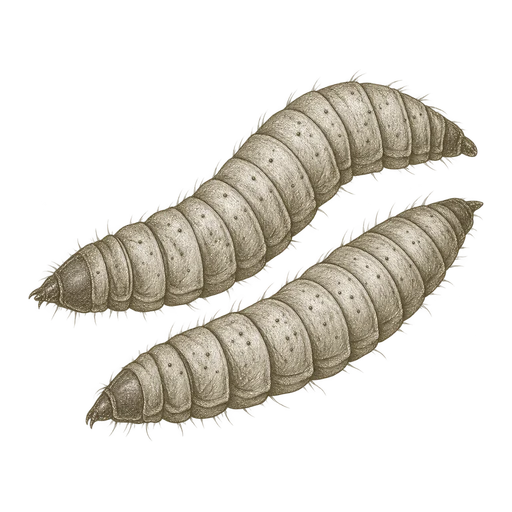
Insect ingredients in this collection are three forms of black soldier fly (*Hermetia illucens*): larvae meal, larvae oil and dried whole larvae. Their shared source does not make them interchangeable. Meal is ground material and may be full-fat or partly defatted; whole larvae retain their form, while oil is a separated fat ingredient. For bulk buyers, the practical comparison is form, composition, processing and intended use—not just the species name.

3 ingredients6 published Insights
EXPLORE THE COLLECTION

Insect ingredients ingredients

Three forms, distinct roles

This collection covers three ingredients from black soldier fly (*Hermetia illucens*): Black Soldier Fly Larvae Meal, Black Soldier Fly Larvae Oil and Dried Black Soldier Fly Larvae. They share an insect source, but differ in form and composition; they are not interchangeable.

Meal is dried and ground larvae, and can be full-fat or processed to remove some fat. Dried whole larvae retain their recognizable form. Oil is the separated fat fraction, so buyers comparing these options should consider the intended formulation and handling needs as well as the ingredient name.

Composition depends on production

The species name alone does not define a consistent nutrient profile. Rearing substrate and processing can affect composition, including protein and fat levels. For meal or dried larvae, compare lot analyses for crude protein, crude fat, moisture and ash, and check whether values are reported as-fed or on a dry-matter basis. An amino-acid profile can also matter where protein quality is a formulation criterion.

For oil, review the fatty-acid profile alongside quality measures such as free fatty acids, moisture and insoluble impurities. Its fatty-acid composition can make it a poor one-for-one substitute for another feed oil in some formulations.

Bulk purchasing checks

Before sourcing, define the required form and processing level: whole, ground, full-fat or partly defatted. Ask for ingredient identity, rearing-feedstock controls, processing details and a lot-specific analysis. Confirm that the product’s documentation and labeling fit its intended use and market; acceptance can differ by jurisdiction and application.

For logistics, verify packaging, moisture limits, shelf-life guidance and storage conditions for the specific product. These details are important for comparing offers and planning receiving and inventory, particularly when evaluating whole larvae, meal and oil together.

Common questions.

Are larvae meal and dried whole larvae the same ingredient form?+

No. Dried whole larvae retain their form, while meal is dried and ground and may be full-fat or processed to remove some fat.

Does black soldier fly larvae meal have a fixed protein level?+

No. Composition varies with factors such as rearing substrate and processing. Compare lot-specific analyses and confirm the reporting basis.

Can black soldier fly larvae oil replace other feed oils?+

Not automatically. Compare its fatty-acid profile and quality measures with the requirements of the intended formulation.

What should buyers confirm before purchasing in bulk?+

Confirm the form and processing level, ingredient identity, rearing-feedstock controls, lot analysis, intended-use documentation, packaging and product-specific storage guidance.

Insect ingredients · BUYER INSIGHTS

Go deeper before you source.

Focused guides to the specification, application, and delivery questions behind this ingredient.

FIELD GUIDE01Insect ingredients
Buyer’s guide

Receiving and storing dried black soldier fly larvae

Plan dried black soldier fly larvae receiving around the form your process uses, your facility’s unloading limits and the lot’s storage directions. Drying does not eliminate storage-related changes to fat quality.

Read this Insight
FIELD GUIDE02Insect ingredients
Buyer’s guide

Dried black soldier fly larvae in poultry feed formulation

Dried black soldier fly larvae can enter poultry formulations in different physical forms and with different fat content. Compare the exact product’s lot analysis and evaluate it within the complete diet for the intended poultry type rather than applying a universal inclusion recommendation.

Read this Insight
FIELD GUIDE03Insect ingredients
Buyer’s guide

How to compare dried black soldier fly larvae analysis

Learn how to compare dried black soldier fly larvae analyses by aligning moisture basis, protein and fat methods, and distinguishing full-fat from partly defatted material.

Read this Insight
FIELD GUIDE04Insect ingredients
Buyer’s guide

Planning bulk black soldier fly larvae oil receiving and storage

Plan a bulk black soldier fly larvae oil order by matching the requested quantity and delivery timing to your facility’s packaging, unloading and storage capabilities. Use the offered product’s handling instructions to guide storage.

Read this Insight
FIELD GUIDE05Insect ingredients
Buyer’s guide

Black soldier fly larvae oil in aquafeed formulation

A practical guide to assessing black soldier fly larvae oil for finfish diets, with attention to fatty-acid composition, rearing and extraction history, and species-specific formulation requirements.

Read this Insight
FIELD GUIDE06Insect ingredients
Buyer’s guide

Comparing black soldier fly larvae oil specifications

A practical framework for comparing black soldier fly larvae oil analysis: distinguish relative fatty-acid profiles from total content, interpret free fatty acids by their stated basis, and review moisture, impurities and unsaponifiable matter with method and lot context.

Read this Insight