Independent sourcing. Better connections.Commercial buyers · Bulk ingredients
tag

Ingredient storage and handling

A practical overview of storage and handling differences across whole milk powder, yeast and zucchini, with buyer checks for product form, packaging, quality documentation and date controls.

3 ingredients6 published Insights
EXPLORE THE COLLECTION

Ingredient storage and handling ingredients

Dairy Ingredients

Whole Milk Powder

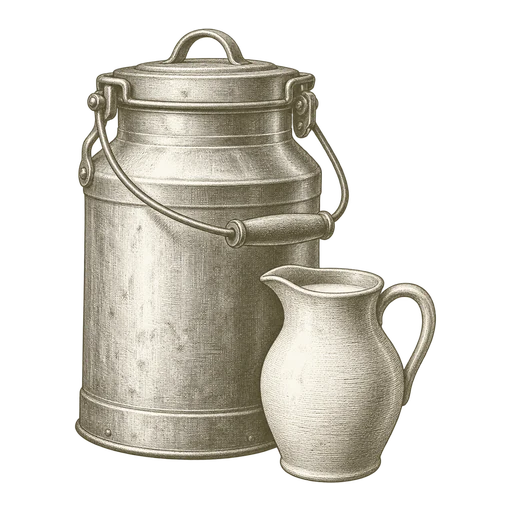
Whole milk powder is a concentrated dairy ingredient used in bakery, confectionery, dry mixes, sauces and beverages. Compare regular and instantized forms, composition and reconstitution properties to match the powder to your food process.

Explore ingredient

Starches/Fibers/Proteins

Yeast

Feed yeast covers distinct whole-cell, live, culture, extract, and cell-wall products. Compare source, processing, viability, and nutrient analysis to choose the form that fits an animal-feed formulation and bulk receiving plan.

Explore ingredient
Dried Vegetables

Zucchini

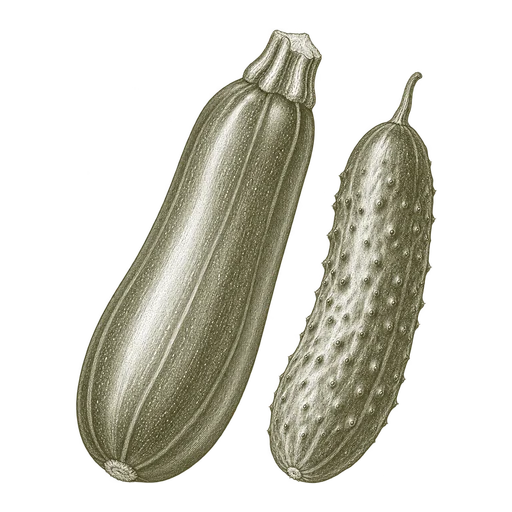
Zucchini is an immature summer squash used in human-food products as fresh fruit, frozen or canned slices, and dried pieces. Choose the form, maturity or cut, and handling requirements to fit the recipe and receiving setup.

Explore ingredient

Three ingredients, different handling needs

This collection brings together whole milk powder, yeast and zucchini, but they do not share one storage method. Whole milk powder is a low-moisture dairy powder; yeast can be fresh or dried; and zucchini may be fresh or sold in another processed form. Confirm the actual product form and intended use before applying any handling guidance.

Match storage to form and packaging

For whole milk powder, general industry guidance favors cool, dry storage, closed packaging and rotation by the manufacturer’s expiration or retest date. The lot’s specification and handling instructions take precedence. “Yeast” is not a sufficient handling description: fresh and dried forms differ, so confirm the type, packaging and producer’s storage instructions rather than assuming a single temperature or shelf life.

Fresh zucchini requires chilled, humid storage and careful handling to limit rind damage and quality loss. Postharvest guidance for summer squash gives 5–10°C (41–50°F) and high relative humidity as suitable conditions, with storage duration kept short. Do not apply these conditions to dried or frozen zucchini; confirm the form and its own instructions.

Questions to settle before purchase

Ask for the current product specification, lot documentation, packaging details and date controls. For milk powder, check the stated fat and moisture values and how protein is reported. For yeast, identify the form and grade. For fresh zucchini, agree on quality expectations such as firmness, maturity and acceptable visible damage, as well as the receiving and chilled-storage plan. These checks help align the shipment with the buyer’s facilities and intended use.

Common questions.

Can whole milk powder, yeast and zucchini use the same storage conditions?+

No. Whole milk powder generally needs cool, dry storage, yeast instructions depend on whether it is fresh or dried, and fresh zucchini needs chilled, humid storage. Follow the product- and lot-specific instructions.

What should I confirm when buying yeast in bulk?+

Confirm the yeast type and physical form, intended grade or use, packaging, producer’s storage instructions and date limits. The name “yeast” alone does not define these requirements.

How should fresh zucchini be handled after receipt?+

Plan for prompt, careful handling and chilled, humid storage. Check incoming firmness and visible damage, and confirm the product’s form and handling requirements before receiving.

Which documentation is useful for whole milk powder?+

Request the current specification and lot documentation, including fat, moisture and the basis used to report protein, plus packaging and expiration or retest-date information.

Ingredient storage and handling · BUYER INSIGHTS

Go deeper before you source.

Focused guides to the specification, application, and delivery questions behind this ingredient.

FIELD GUIDE01Ingredient storage and handling
Buyer’s guide

Planning zucchini shipping and storage by product form

Fresh, frozen, canned and dried zucchini call for different receiving and storage plans. Match packaging, unloading and destination storage to the selected form, and follow the specific offer’s instructions rather than assuming a guaranteed shelf life.

Read this Insight
FIELD GUIDE02Ingredient storage and handling
Buyer’s guide

How to evaluate dried zucchini for soups and casseroles

A practical guide to matching dried zucchini cut size, moisture information and preparation to the recipe and finished texture required in soups, stews and casseroles.

Read this Insight
FIELD GUIDE03Ingredient storage and handling
Buyer’s guide

Which zucchini quality specifications matter by product form?

A form-specific guide to comparing fresh, cut and dried zucchini quality, including maturity, condition, cut dimensions and moisture considerations.

Read this Insight
FIELD GUIDE04Ingredient storage and handling
Buyer’s guide

Planning bulk yeast feed storage and receiving

Bulk feed yeast receiving depends on the offered form. Dry inactive yeast, live dry products, liquids and extracts require product-specific packaging, unloading and storage planning—especially when a live product carries a viability guarantee.

Read this Insight
FIELD GUIDE05Ingredient storage and handling
Buyer’s guide

Live yeast or inactive yeast: feed formulation questions

Live and inactive yeast answer different feed-formulation needs. Compare viability for products intended to supply live cells, and product identity and nutrient composition for inactive yeast ingredients.

Read this Insight
FIELD GUIDE06Ingredient storage and handling
Buyer’s guide

How to compare feed yeast specifications and product identity

Feed yeast specifications are meaningful only when product identity is clear. Compare source, organism, processing, activity status, and analytical basis before using protein, viable-cell, or functional-component measures to evaluate bulk offers.

Read this Insight