Independent sourcing. Better connections.Commercial buyers · Bulk ingredients
tag

Ingredient sourcing

Ingredient sourcing here covers three distinct bulk ingredients: filberts, hemp and walnut pieces. The collection is useful for buyers comparing product identity, form and specification needs—not as a claim that these ingredients are interchangeable or that any particular lot is available. Start by defining the form required for your process, then evaluate quality details and intended-use documentation against the actual product.

4 ingredients6 published Insights
EXPLORE THE COLLECTION

Ingredient sourcing ingredients

Dairy Ingredients

Colostrum Powder

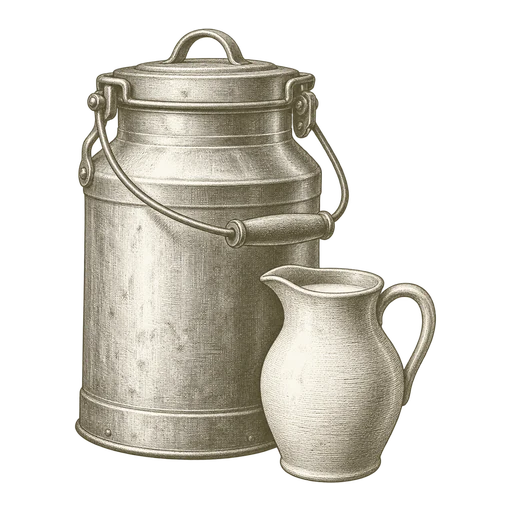
Bovine colostrum powder is a dried ingredient that can differ in IgG content, fat, lactose and processing. Compare the specific form, lot analysis and intended-use documentation before arranging a bulk order.

Explore ingredient
Tree Nuts

Filberts

Filberts, also called hazelnuts, are sourced as natural or roasted kernels, ground meal and distinct processing by-products. Identify the exact form and compare relevant quality measures, particle size and handling needs for your food or defined feed application.

Explore ingredient
Seeds

Hemp

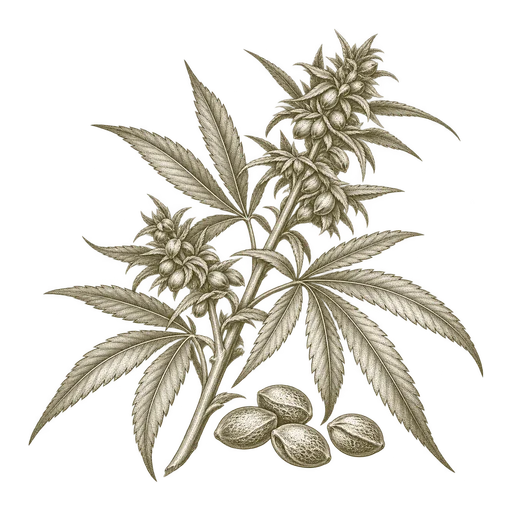
Hemp covers distinct seed-derived ingredients, including hulled seed, oil, protein powder and press cake. Identify the plant part, processing and intended use first; for meal, compare a current lot analysis and its measurement basis.

Explore ingredient
Tree Nuts

Walnut Pieces

Walnut pieces are broken edible walnut kernels used where a fragment format fits the finished food. Confirm species, kernel-versus-meal identity, piece size and lot condition, then plan moisture-protected, cool storage.

Explore ingredient

Different ingredients, different specifications

This collection brings together products with distinct identities rather than a single interchangeable ingredient type. Filberts are also known as hazelnuts; buyers should establish whether they need in-shell nuts or shelled kernels. Walnut pieces are portions of shelled kernels, so the word “pieces” alone does not define size or color.

Hemp needs an equally precise description. Hulled hemp seed, hemp seed protein powder and hemp seed oil are different ingredients with different properties and uses. Ask for the full ingredient identity and manufacturing description before comparing offers.

Make the specification fit the product

For filberts, define the form and relevant defect tolerances. Cleanliness, drying, foreign material, mold, rancidity, decay and insect damage are practical quality points to address. For walnut pieces, specify the desired size classification and state whether color matters; size and color are separate descriptors.

For hemp, match the product specification and supporting documentation to the intended use. Human-food documentation does not by itself establish suitability for animal food or pet food. Confirm the applicable ingredient identity and intended-use documentation for the product being considered.

Plan handling around the ingredient

Storage requirements are product-specific. Nuts are vulnerable to quality losses such as rancidity, mold and insect damage, so review packaging, storage history and the stated shelf-life basis. Do not assume the same storage conditions apply to hemp seed, protein powder and oil; check the producer’s guidance for the exact form.

Common questions.

Are filberts and hazelnuts different ingredients?+

They are two names for the same nut. Specify whether you need in-shell filberts or shelled kernels.

Is “walnut pieces” a complete specification?+

No. Define the piece size or classification, and specify a color requirement if it matters to your product.

What does “hemp” mean on a product offer?+

It is not specific enough to compare products. Confirm whether it is hulled seed, protein powder, oil or another form, and review the relevant specification.

Does human-food documentation for hemp establish feed suitability?+

No. Human-food use and animal-food use have separate requirements. Verify documentation for the intended species and use.

Ingredient sourcing · BUYER INSIGHTS

Go deeper before you source.

Focused guides to the specification, application, and delivery questions behind this ingredient.

FIELD GUIDE01Ingredient sourcing
Buyer’s guide

Planning bulk receiving and storage for walnut pieces

Plan bulk walnut pieces receiving around packaging compatibility, clean and dry unloading, moisture protection and cool storage. The 0–10°C (32–50°F) range is a general walnut reference, not a lot-specific shelf-life promise.

Read this Insight
FIELD GUIDE02Ingredient sourcing
Buyer’s guide

Choosing walnut pieces for bakery and confectionery formulations

Choose walnut pieces by the visibility and distribution your formulation needs. Larger fragments stand out; smaller pieces create a finer inclusion. Define the required physical format and verify the offered lot’s food-use documentation.

Read this Insight
FIELD GUIDE03Ingredient sourcing
Buyer’s guide

How walnut pieces and small pieces are defined by sieve size

Understand how voluntary U.S. walnut piece-size terms use round-opening sieves, why “pieces” and “small pieces” are not grade guarantees, and what else to specify when comparing bulk lots.

Read this Insight
FIELD GUIDE04Ingredient sourcing
Buyer’s guide

Planning receiving and storage for bulk colostrum powder

Prepare to receive bulk colostrum powder by matching the offered package to your unloading setup, inspecting shipments promptly and protecting the powder from moisture and contamination. Follow the storage directions provided for the specific product.

Read this Insight
FIELD GUIDE05Ingredient sourcing
Buyer’s guide

Colostrum powder versus fresh colostrum in calf nutrition

Fresh maternal colostrum and processed colostrum powder have different roles in calf nutrition. Understand how timing, processing and product-specific IgG results shape a meaningful comparison.

Read this Insight
FIELD GUIDE06Ingredient sourcing
Buyer’s guide

How to compare IgG and protein results in colostrum powder

IgG and total protein are separate measures in colostrum powder. Compare them by analyte, assay, units, reporting basis and lot—not by the headline number alone.

Read this Insight