Ingredient quality and analysis brings together hemp, lactose, lamb meal, lentils, menhaden fish oil and mushrooms. These materials differ in composition, form and intended use, so one shared quality specification would be misleading. For bulk purchasing, begin with the precise product identity and form, then evaluate the analysis tied to that lot. A certificate of analysis is most useful when its results include methods, units and analytical basis—and when the sample represents the material you
Hemp covers distinct seed-derived ingredients, including hulled seed, oil, protein powder and press cake. Identify the plant part, processing and intended use first; for meal, compare a current lot analysis and its measurement basis.
Lamb meal is rendered, dried and ground ovine tissue used in animal food. Compare the product definition and lot analysis—including protein, fat, ash and moisture—and match the offered form and receiving arrangement to the intended use.
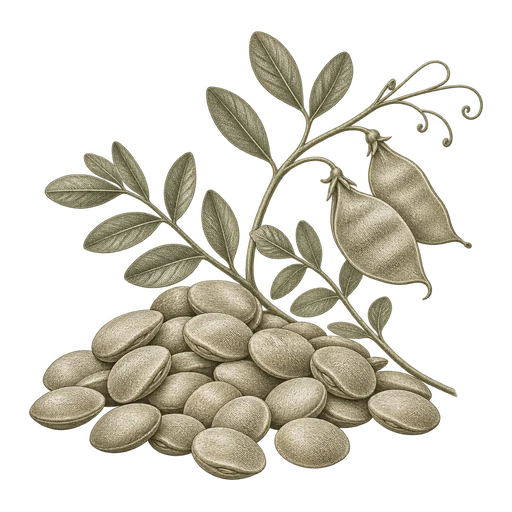
Lentils are pulse seeds sold as whole, split or dehulled product for food processing and, with lot-specific evaluation, some feed uses. Specify the form, type and quality measures that match your application.
Menhaden fish oil is a species-specific oil supplied as crude or further-refined product for distinct feed, aquaculture and human-food applications. Compare processing status, intended use and lot-specific composition before arranging a bulk order.
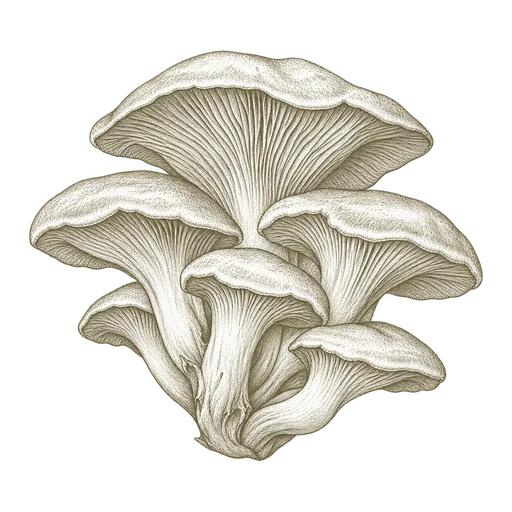
Mushrooms are sourced in different species and forms, from whole edible fruiting bodies to powders and extracts. Identify the species, part and processing method first, then compare the analysis and handling details relevant to your food application.
This collection spans plant ingredients, a dairy carbohydrate, rendered animal protein, marine oil and mushroom materials. They do not share one quality specification. Start by identifying the actual form: hempseed is not hemp meal or oil; whole lentils differ from screenings or bran; and whole mushrooms are not spent mushroom substrate. Those distinctions affect what analytical results mean.
For lamb meal, verify the declared species and exact ingredient name. For lactose, confirm the product identity and the analytical basis used in its specification. A value or description for one form should not be applied to another.
Read the lot evidence in context
A useful certificate of analysis identifies the lot and reports test values with methods, units, date and basis, such as as-fed or dry matter. Choose tests according to the material and intended use rather than treating a standard panel as equally informative for every ingredient. For hemp, cannabinoid results should identify the tested matrix and method. For menhaden fish oil, peroxide and p-anisidine values address different aspects of oxidation; a single result is not a complete profile.
Sampling and handling matter alongside the numbers. Variable materials such as lentil screenings and spent mushroom substrate need particular care when interpreting results. Confirm the lot’s product form, intended use, relevant analysis and transport or storage conditions before comparing offers.
Common questions.
Why does ingredient form matter when comparing COAs?+
Forms can differ in composition and intended use. Results for whole lentils, screenings and bran, for example, are not interchangeable; identify the exact material tested.
What should a lot-specific COA include?+
Look for lot identification, test values, methods, units, date and analytical basis. Check that the tested sample represents the product form being offered.
Which quality results are relevant for menhaden fish oil?+
Peroxide value and p-anisidine value describe different oxidation measures. Review both with their methods and units when relevant; neither alone provides a complete oxidation picture.
Are whole mushrooms and spent mushroom substrate equivalent?+
No. Spent mushroom substrate is leftover growing material, not the harvested mushroom itself, and its composition can vary with the mushroom species, base substrate and cultivation method.
Ingredient quality and analysis · BUYER INSIGHTS
Go deeper before you source.
Focused guides to the specification, application, and delivery questions behind this ingredient.