Dried Vegetables
Green Beans
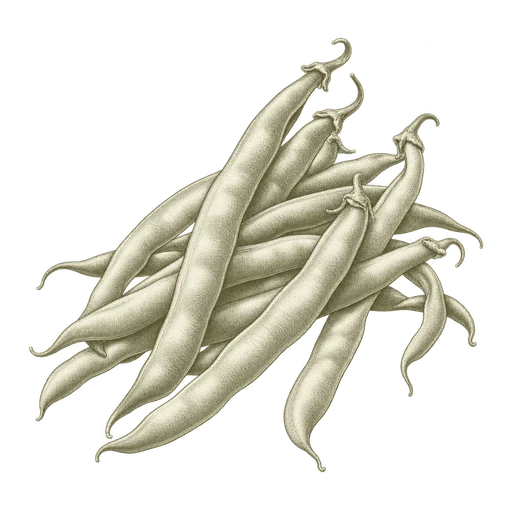
Green beans are tender immature pods supplied fresh, frozen or canned. Specify the preservation form, cut style and condition criteria to match the product to your food operation and receiving setup.
Explore ingredientThis Green vegetables tag currently contains one supplied ingredient: Green Beans. Use it as a starting point for comparing the offered bean form and lot details, not as evidence of a wider vegetable assortment. Fresh pods, frozen or dried products, and processing residues require different specifications and handling decisions.
Green beans are tender immature pods supplied fresh, frozen or canned. Specify the preservation form, cut style and condition criteria to match the product to your food operation and receiving setup.
Explore ingredientGreen Beans is the only supplied member of this tag, so it represents a focused listing rather than a broad range of green vegetables. Green beans, also called snap beans, are commonly harvested while the pods are immature and eaten pod and developing seeds together. They are distinct from dry beans harvested for mature seeds.
The product name alone does not establish the offered form. Confirm whether the lot is fresh whole pods, frozen, dried, cut, powdered or a processing residue. These forms have different handling needs and are not interchangeable. Ask for the plant part, processing status and intended product grade before comparing offers.
For fresh pods, useful visual checks include bright color, firmness and intact pods with little debris. Dull color, pithiness, dried stems or broken pods can be warning signs. These fresh-produce checks do not serve as grading criteria for frozen, dried or milled material; request a specification suited to the actual form.
Fresh green beans need temperature- and humidity-managed handling. One postharvest guide recommends 37–45°F and 95% relative humidity for up to 7–10 days; this is fresh-produce guidance, not dry-goods storage advice. Clarify shipment temperature, packaging and remaining usable life for fresh lots. If considering residues for feed, establish the exact material identity and obtain analysis and species-specific review; evidence about a particular lamb diet does not establish general feed suitability.
It is the single supplied member. The term commonly refers to immature edible pods, but confirm the actual form offered.
No. They differ in form and handling. Confirm processing, moisture, cut size, packaging and intended use for the specific lot.
Review color, firmness, pod condition and debris, then confirm shipment temperature, packaging and remaining usable life.
A specific study of post-harvest bean residues in lamb diets does not establish suitability for other materials or animal uses. Confirm identity, analysis and species-specific suitability.
Focused guides to the specification, application, and delivery questions behind this ingredient.
Plan bulk green bean receiving by form: fresh beans need suitable produce storage, frozen beans need freezer capacity, and canned beans need intact packaging and storage directed by the product instructions.
Read this InsightCompare whole, cut and French-style green beans by menu presentation and preparation needs, while accounting for the distinct handling of fresh, frozen and canned forms.
Read this InsightA practical guide to distinguishing frozen green bean cuts and comparing form-specific quality requirements, inspection definitions and acceptance criteria.
Read this Insight