Independent sourcing. Better connections.Commercial buyers · Bulk ingredients
tag

Fruit powders

Fruit powders can differ in more than fruit flavor. This collection includes Blueberry Powder, Cranberry Powder, and Strawberries, but the names alone do not confirm each ingredient’s fruit fraction, processing method, or exact form. Buyers comparing these ingredients should establish those details, review the full ingredient declaration, and evaluate powder behavior for the intended formulation.

3 ingredients6 published Insights
EXPLORE THE COLLECTION

Fruit powders ingredients

Dried Fruits

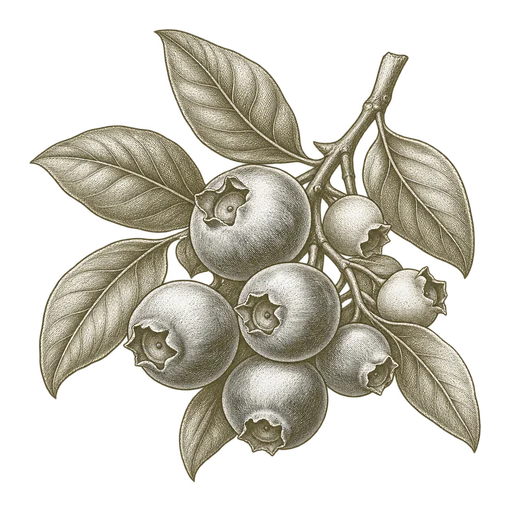
Blueberry Powder

Blueberry powder can come from whole fruit, juice or pomace, with carriers and drying methods affecting composition and handling. Compare the source fraction, ingredient statement and physical properties to match the powder to your food formulation.

Explore ingredient
Dried Fruits

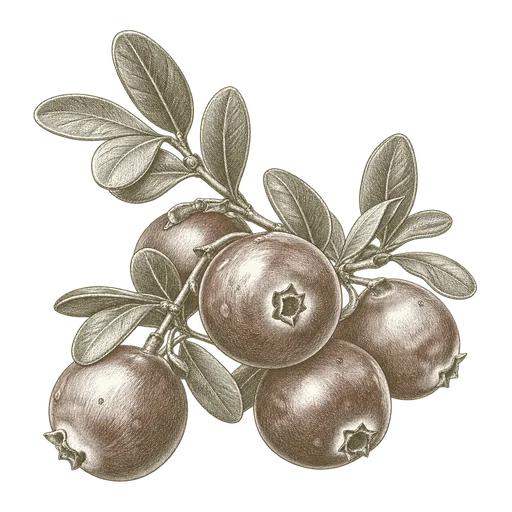
Cranberry Powder

Cranberry powder may be ground whole fruit, dried juice pomace or a pomace extract, and those forms differ in composition and use. Compare ingredient declarations, processing and relevant quality measures before choosing a bulk product for a food formulation.

Explore ingredient
Dried Fruits

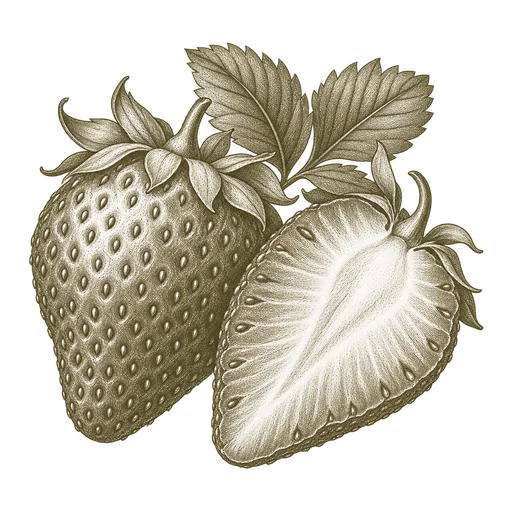
Strawberries

Bulk strawberries are sourced in fresh, frozen and processed forms, each with different handling and recipe characteristics. Specify the form, intended use and relevant quality criteria—especially frozen-fruit grade or dried-product analysis—to compare suitable offers.

Explore ingredient

What this collection includes

This collection groups Blueberry Powder, Cranberry Powder, and Strawberries. The names identify the fruit but do not establish whether an ingredient is made from whole fruit, juice, puree, or pomace, or how it was dried. Those distinctions matter: they can affect fiber and insoluble solids, flavor, color, dispersibility, and performance in a finished product.

Treat each ingredient as a separate formulation choice rather than assuming that fruit powders are interchangeable. Even powders from the same fruit can differ in their starting material, processing, and ingredient composition.

Compare form and processing

Before evaluating a product, establish its fruit fraction, drying method, and full ingredient declaration. Some spray-dried fruit powders use carriers to support drying and powder handling; whether a carrier is present must be checked for the specific product. These details affect how a powder behaves in a recipe and whether its ingredient profile fits your requirements.

Solubility is not guaranteed by the word “powder.” Ask for application-relevant information on dispersibility or reconstitution, particle size, and bulk density, then assess the ingredient under your intended mixing conditions. For beverages, confectionery, yogurt, or supplement formulations, sensory fit and process performance should be evaluated in the actual application.

Plan bulk purchasing and storage

Compare like with like using a current specification and ingredient declaration. Depending on the application, review moisture and water activity, particle size or density, sensory requirements, and relevant lot results. Confirm packaging, storage instructions, shelf life, and intended-use documentation for the product being considered; published measurements from a different powder are not a substitute for product-specific information.

Fruit powders can be sensitive to moisture pickup and caking. Consider how packaging protects the ingredient during storage and handling, and make sure the receiving and storage conditions suit the supplier’s instructions.

Common questions.

Are blueberry, cranberry, and strawberry powders interchangeable?+

No. Fruit fraction, drying method, ingredient composition, and physical properties can affect flavor and processing behavior. Compare product details and trial each ingredient in the intended formulation.

Will a fruit powder dissolve in water?+

Not necessarily. Dispersibility depends on the product’s form and processing. Request product-specific information and test it using your intended mixing conditions.

What should I compare when buying fruit powders in bulk?+

Check the fruit fraction, drying method, full ingredient declaration, current specification, relevant lot results, packaging, storage instructions, and shelf-life information. Prioritize measurements and sensory requirements that matter to your application.

Does the name “Strawberries” confirm that the ingredient is a powder?+

The name alone does not confirm its form or processing. Verify whether the product is a powder and establish its fruit fraction and drying method before comparing it with other ingredients.

Fruit powders · BUYER INSIGHTS

Go deeper before you source.

Focused guides to the specification, application, and delivery questions behind this ingredient.

FIELD GUIDE01Fruit powders
Buyer’s guide

Planning receiving and storage for bulk frozen strawberries

Prepare for bulk frozen strawberries by aligning product form, packaging, unloading capability and frozen storage with your intended use and delivery location.

Read this Insight
FIELD GUIDE02Fruit powders
Buyer’s guide

What to evaluate when using freeze-dried strawberry powder in frozen desserts

Freeze-dried strawberry powder adds fruit solids to frozen dairy desserts, but its possible stabilizing contribution depends on the specific powder, recipe and process. Learn what to evaluate in a formulation trial before making a sourcing decision.

Read this Insight
FIELD GUIDE03Fruit powders
Buyer’s guide

How to compare grades and specifications for frozen strawberries

Frozen strawberry grades can describe defined quality characteristics, but they do not necessarily settle the cut, size distribution, syrup status or packaging. Learn how to compare those details and build a specification suited to your process.

Read this Insight
FIELD GUIDE04Fruit powders
Buyer’s guide

Planning bulk receiving and storage for cranberry powder

Plan bulk cranberry powder receiving by specifying the product form, shipment details, packaging needs and facility constraints, then follow handling guidance for the product and lot offered.

Read this Insight
FIELD GUIDE05Fruit powders
Buyer’s guide

Using cranberry pomace powder for fiber in food formulations

Cranberry pomace powder can contribute fruit solids and fiber, but its composition and behavior depend on the material and processing. Compare the fiber method and basis, particle size and hydration data, then test the powder in the intended recipe.

Read this Insight
FIELD GUIDE06Fruit powders
Buyer’s guide

How to compare whole-fruit, pomace and extract cranberry powder specifications

Compare cranberry powders only after establishing whether the material is whole fruit, pomace or extract. Identity, ingredient declaration, methods and reporting basis determine whether specification values are meaningfully comparable.

Read this Insight