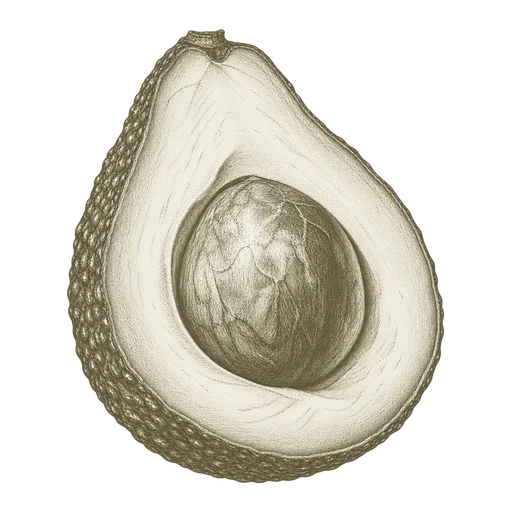
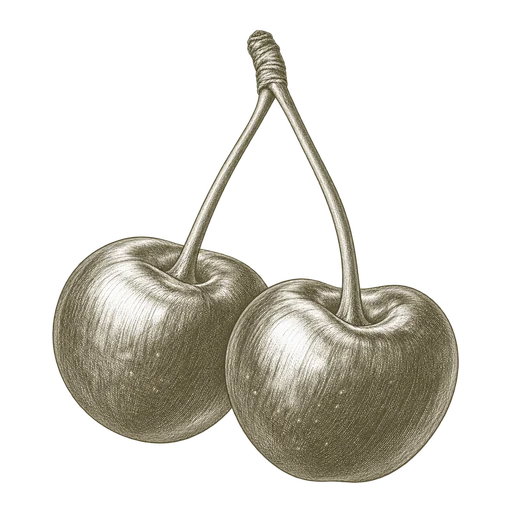
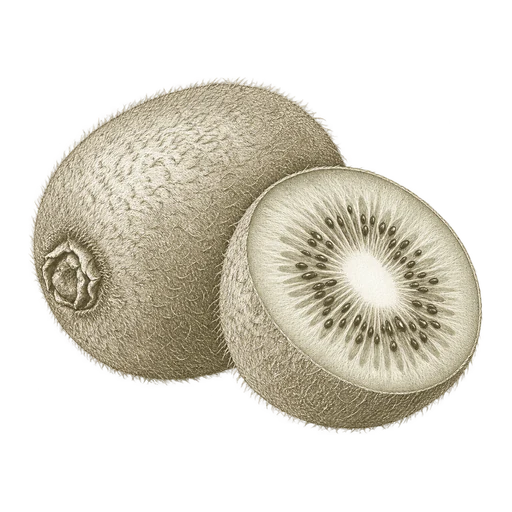
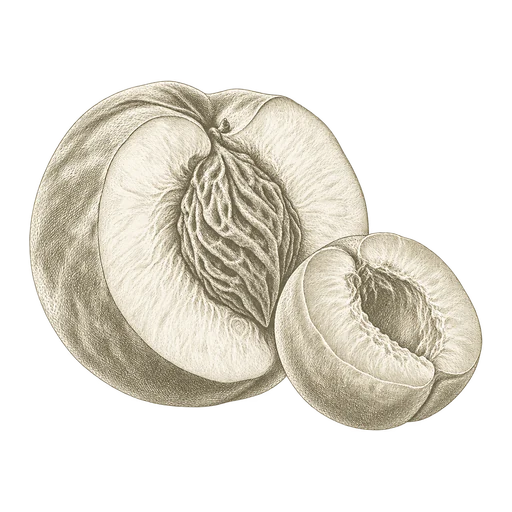
Fruit by-products brings together processing materials associated with avocados, cherries, kiwi, mango, peaches and pomegranate. The category does not describe one uniform ingredient: a peel, seed, kernel, pulp residue or pomace can differ in composition, physical form and intended use. Buyers should identify the exact fruit fraction and process before assessing a specification or comparing bulk offers. Research into possible food or feed uses is not proof that a particular lot is suitable for a
Avocado feed materials include distinct forms such as pulp-and-peel by-product, peel meal and dried meal. Fraction, processing, intended species and handling needs determine what analysis and safety information matter before a bulk purchase.
Bulk cherries may mean whole fruit, processed cherries or a distinct fraction such as pomace. Identify sweet or sour cherry and the processing form first; these choices affect product use, quality checks and the specifications needed for a useful quote.
Bulk kiwi can mean whole fruit, puree, dried fruit, peel, pomace, or extracted fiber. Specify the form and processing history, then compare analysis on a consistent basis and match receiving and storage plans to the product.
Mango-derived feed ingredients range from peel and mixed residue to whole seed and kernel meal. Identify the material and its processing first: those differences affect composition, formulation, analysis and storage decisions.
Peaches are sourced as fresh fruit and in processed forms including canned pieces, purée, juice and dried product. Identify the exact form and intended use; pomace, peel, stone and seed are separate processing materials with different composition and handling considerations.
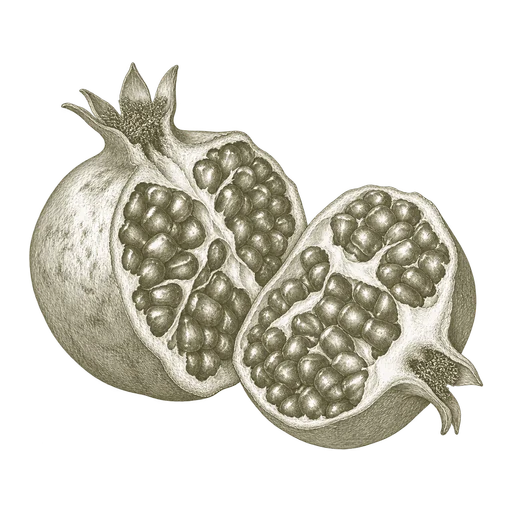
Pomegranate feed by-products can be fresh, dried or ensiled, with composition shaped by the fruit parts and processing. Identify the exact material and compare its moisture basis and analysis before evaluating it for a ruminant ration.
Fruit by-products is an umbrella category, not a single standardized ingredient. Depending on the fruit and how it is processed, the material may include peels, seeds, kernels, pulp residues or pomace. Avocados, cherries, kiwi, mango, peaches and pomegranate are the fruits represented in this collection; their processing fractions are not interchangeable.
Processing and form matter too. A dried material, a pressed residue and a separated fruit fraction can differ in moisture, composition and handling needs. Research into fibers, pectin, oils or other compounds does not establish a specification for a commercial lot.
Match material identity to its intended use
Start by identifying the fruit, plant part and process that produced the material. Confirm whether it is a single-fruit stream or a blend, and whether seeds or pits are present. Those details help determine whether its physical form and analytical profile fit the intended application.
Potential uses in food ingredients or animal feed do not establish that a particular lot is suitable or authorized for those uses. Evaluate the specific material against the requirements of its application; do not infer pet-food suitability or feed inclusion guidance from general fruit-processing research.
Questions to settle before a bulk purchase
Request a product description, current specification and available lot analysis. Check that analytical values state their reporting basis, and confirm relevant criteria such as moisture, particle size, foreign material or microbial limits with your technical team.
Also agree on physical form, packaging, storage instructions and shelf-life information. These details can affect receiving, storage and processing, and requirements vary across fruit fractions rather than following one category-wide standard.
Common questions.
Does fruit by-product always mean pomace?+
No. Pomace is one possible residue; the category can also include peels, seeds, kernels and other processing fractions. Confirm the exact material.
Are fruit by-products automatically food-grade or feed-grade?+
No. Research into potential uses does not establish the status or suitability of a specific product or lot. Check its documentation against the intended application.
Can I compare two fruit by-products by fruit name alone?+
No. Compare the plant part, processing origin, physical form and analytical reporting basis, along with lot-specific documentation.
What should I request before buying in bulk?+
Ask for product identity and process details, a specification, available lot analysis, packaging information and storage guidance relevant to the material.
Fruit by-products · BUYER INSIGHTS
Go deeper before you source.
Focused guides to the specification, application, and delivery questions behind this ingredient.