Independent sourcing. Better connections.Commercial buyers · Bulk ingredients
tag

Food powders

A collection of carrot and pumpkin ingredients for food buyers, with a focus on distinguishing product form, comparing powder characteristics, and evaluating bulk-lot documentation and storage needs.

3 ingredients6 published Insights
EXPLORE THE COLLECTION

Food powders ingredients

Dried Vegetables

Carrot Powder

Carrot powder can be made from dried carrot tissue or from juice or concentrate, and those forms differ in fiber, composition and dispersibility. Match the powder to the food process, then compare relevant quality measures and handling needs for the bulk order.

Explore ingredient
Dried Vegetables

Pumpkin

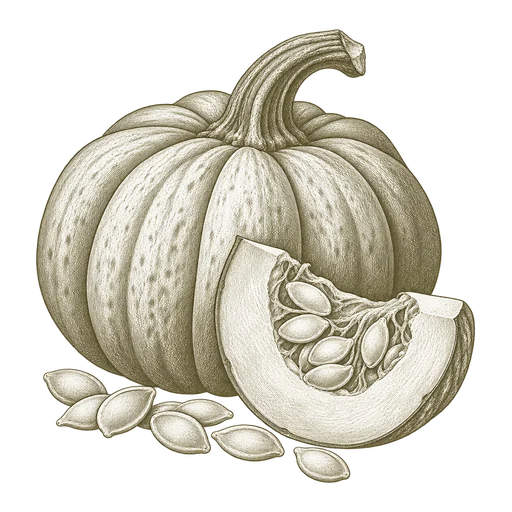
Pumpkin is sourced as distinct ingredients—including pulp, peel, seeds and processing residues—in fresh, dried or other processed forms. Match the plant part and processing method to the intended food or feed use, then compare moisture, particle form and relevant analysis.

Explore ingredient
Dried Fruits

Pumpkin Powder

Pumpkin powder is dried, milled pumpkin material used in food formulations and some feed research. Compare the plant parts, processing, moisture and particle characteristics to choose a powder that fits the intended use and receiving setup.

Explore ingredient

A vegetable-focused powder collection

This collection includes Carrot Powder, Pumpkin Powder, and Pumpkin. The first two are identified as powders; the name Pumpkin alone does not confirm whether the product is fresh, puréed, dried, or powdered. Confirm its form and plant part before comparing it with a dry ingredient.

Carrot and pumpkin powders are made from dried, milled vegetable material, but the included plant tissue and processing can differ. Powder made from pumpkin flesh is not interchangeable with pumpkin seed or peel material.

Compare ingredients by form and function

Carrot and pumpkin powders have been used in food research for applications such as soups, sauces, beverages, and bakery products. Those examples do not establish that every commercial powder performs the same way. Drying and raw-material differences can affect color and other product characteristics; pumpkin powders can also differ in functional properties such as water absorption and solubility.

For formulation trials, assess the powder in the intended recipe and process. Confirm whether it contains only the named vegetable or includes carriers, processing aids, colors, flavors, or preservatives.

Bulk purchasing and storage checks

Compare the lot specification and test methods, including moisture and water activity, particle size, color, and application-relevant microbiological criteria. If nutrient or carotenoid content matters, request the assay and its test basis rather than assuming a value from the ingredient name.

Ask how the powder is packaged and what storage conditions are specified. Protect it from moisture exposure; moisture content and water activity are distinct measures. Low moisture alone does not establish that a powder is pathogen-free.

Common questions.

Is Pumpkin the same product form as Pumpkin Powder?+

Not necessarily. Confirm whether Pumpkin is fresh, puréed, dried, or powdered, and whether it is made from flesh, seed, peel, or a blend.

Can carrot and pumpkin powders be substituted directly?+

No general substitution can be assumed. Their color and functional behavior can differ, so test each in the intended formulation and process.

What should buyers compare between powder lots?+

Review the ingredient statement, plant part, processing details, particle size, moisture, water activity, color, and relevant test methods. Request nutrient assays when those values affect the formulation.

Does low moisture mean a vegetable powder is pathogen-free?+

No. Low moisture alone does not establish pathogen absence; review the product's food-safety documentation and applicable handling controls.

Food powders · BUYER INSIGHTS

Go deeper before you source.

Focused guides to the specification, application, and delivery questions behind this ingredient.

FIELD GUIDE01Food powders
Buyer’s guide

Planning bulk pumpkin powder receiving and storage

Plan bulk pumpkin powder receiving around order quantity, site equipment, packaging, moisture controls and product-specific storage guidance.

Read this Insight
FIELD GUIDE02Food powders
Buyer’s guide

Choosing pumpkin powder for bakery formulations

A practical framework for comparing pumpkin powder identity, processing, sensory qualities and particle characteristics before a bakery production trial.

Read this Insight
FIELD GUIDE03Food powders
Buyer’s guide

How to compare pumpkin powder specifications by plant part

A practical comparison of pumpkin powder starts with plant-part identity, then checks processing, moisture basis, particle size and relevant composition results. These details help buyers distinguish offers without mistaking a study result or product name for a lot specification.

Read this Insight
FIELD GUIDE04Food powders
Buyer’s guide

Planning delivery and storage for bulk pumpkin ingredients

Fresh pumpkin, wet processing residues and dried pumpkin ingredients require different delivery and storage plans. Match the product form to your receiving equipment, timing and storage conditions before arranging a bulk shipment.

Read this Insight
FIELD GUIDE05Food powders
Buyer’s guide

Choosing pumpkin pulp powder for bakery and premix formulations

A practical guide to assessing pumpkin pulp powder for bakery products and premixes, with a focus on plant-part identity, moisture, particle form and product-specific food documentation.

Read this Insight
FIELD GUIDE06Food powders
Buyer’s guide

How to compare pumpkin ingredient specifications by plant part

Compare pumpkin ingredient offers by plant part, processing form and analytical basis. Pulp, peel, seeds and mixed residues have distinct characteristics, while moisture and particle size affect how specifications should be read.

Read this Insight