Independent sourcing. Better connections.Commercial buyers · Bulk ingredients
tag

Food ingredient quality

Food ingredient quality is not a single grade shared across products. This collection brings together carrots, celery and chia, whose quality criteria depend on form and intended use. Confirm product identity first, then compare relevant analytical results, functional performance and handling information for the specific ingredient being purchased.

3 ingredients6 published Insights
EXPLORE THE COLLECTION

Food ingredient quality ingredients

Dried Vegetables

Carrots

Bulk carrots can mean fresh roots, frozen or dehydrated product, ensiled feed material, or processing by-products such as juice pomace. Identify the exact form and intended use, then compare moisture and analysis on a consistent basis.

Explore ingredient
Dried Vegetables

Celery

Celery is sourced for food use as fresh stalks and leaves, frozen celery, or dried material. Specify the plant part and form because they differ in culinary role, handling, quality measures and storage needs.

Explore ingredient
Seeds

Chia

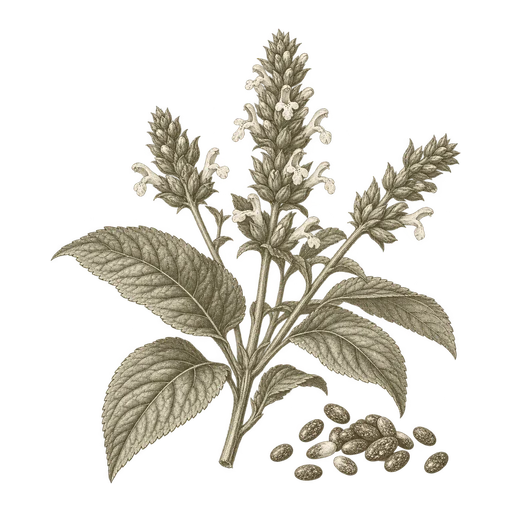
Chia is an oilseed sold as whole or milled seed, gel or mucilage, oil, and extraction coproducts. Choose the form around its role in food or feed, and compare product-specific quality measures and handling needs before arranging a bulk shipment.

Explore ingredient

Quality depends on the ingredient form

A fresh celery stalk, dried carrot piece and chia seed are assessed differently; a single quality grade cannot cover them all. Confirm whether carrots or celery are fresh, fresh-cut, dried, frozen, canned or powdered. For chia, distinguish whole seed from milled, defatted or extracted forms.

Fresh-produce grading language describes particular products and characteristics. It does not automatically set acceptance criteria for powders or dried ingredients. Define the form and intended use before comparing specifications.

Match measures to the application

For dried carrots and celery, relevant attributes can include moisture, water activity, color, flavor, piece size and rehydration behavior. Moisture and water activity measure different properties, so specify the test method, result basis and acceptance limit that matter for your product.

For chia, composition and functional performance depend on form and processing. If hydration or gel formation matters, assess performance in the intended formulation rather than assuming all chia ingredients behave alike.

Compare lots on usable evidence

Request an exact product identity, specification and lot-specific certificate of analysis with test methods and results. Also compare packaging, storage guidance and shelf-life information appropriate to the form. Fresh-cut produce and shelf-stable dried ingredients have different handling and food-safety considerations; confirm intended use rather than assuming a product is ready to eat.

Common questions.

Does food ingredient quality refer to one shared grade?+

No. Criteria depend on the ingredient, form and intended use. A fresh celery grade, for example, does not define dried celery powder quality.

What should I check when comparing dried carrots or celery?+

Check applicable moisture and water-activity results, along with relevant color, flavor, size and rehydration requirements. Confirm test methods and acceptance limits for the specific form.

Can I assume chia will thicken consistently?+

No. Chia form and processing affect functional properties. Confirm hydration or viscosity performance in the intended formulation when it is important.

Does dried vegetable status mean the product is ready to eat?+

Not necessarily. Confirm the product’s intended use and any required preparation or food-safety treatment.

Food ingredient quality · BUYER INSIGHTS

Go deeper before you source.

Focused guides to the specification, application, and delivery questions behind this ingredient.

FIELD GUIDE01Food ingredient quality
Buyer’s guide

Chia oil bulk storage and delivery: protecting oil quality

Plan bulk chia oil delivery around your facility’s quantity, packaging and receiving needs, then protect oil quality by limiting exposure to oxygen, light, heat and moisture.

Read this Insight
FIELD GUIDE02Food ingredient quality
Buyer’s guide

Using chia gel in bakery formulations: texture and process questions

Chia gel can contribute hydration-related thickening and binding in bakery formulas, but it behaves differently from whole or milled seed and does not universally replace egg or fat. Learn what to define and test before choosing a bulk ingredient form.

Read this Insight
FIELD GUIDE03Food ingredient quality
Buyer’s guide

Chia quality specifications: what to compare by product form

Compare chia specifications by form: whole and milled seed, gel or mucilage, and oil each call for different identity, composition or functional measures.

Read this Insight
FIELD GUIDE04Food ingredient quality
Buyer’s guide

Bulk celery storage and receiving: fresh, frozen and dried plans

Bulk celery receiving starts with the form: fresh, frozen and dried celery each call for a different storage plan. Match the order to your facility’s temperature control, receiving capability and moisture protection.

Read this Insight
FIELD GUIDE05Food ingredient quality
Buyer’s guide

Celery leaves or stalks: choosing a form for food formulations

Celery leaves and stalks serve different culinary roles. Compare their use in cooked dishes, soups, juices and seasoning, and choose fresh, frozen or dried forms according to recipe preparation and handling needs.

Read this Insight
FIELD GUIDE06Food ingredient quality
Buyer’s guide

Celery quality specifications: what changes by form?

Celery quality measures depend on whether the ingredient is fresh, frozen or dried. Define plant part and form first, then specify the condition, moisture or particle-size characteristics that matter to your process.

Read this Insight