Feed Ingredients
Soybean Meal
A plant protein ingredient for commercial feed programs.
Explore ingredientFeed ingredient handling brings together soybean meal, sunflower meal and tuna meal—bulk feed ingredients with distinct raw materials, processing histories and handling considerations. Compare lot-specific analysis and physical form, then verify ingredient identity and storage needs against the intended feed use.
A plant protein ingredient for commercial feed programs.
Explore ingredientSunflower meal is a sunflower-seed oil-extraction residue used as a protein ingredient in animal feed. Compare dehulling, extraction method, physical form and lot analysis to determine how a bulk offer fits your feed formulation and receiving setup.
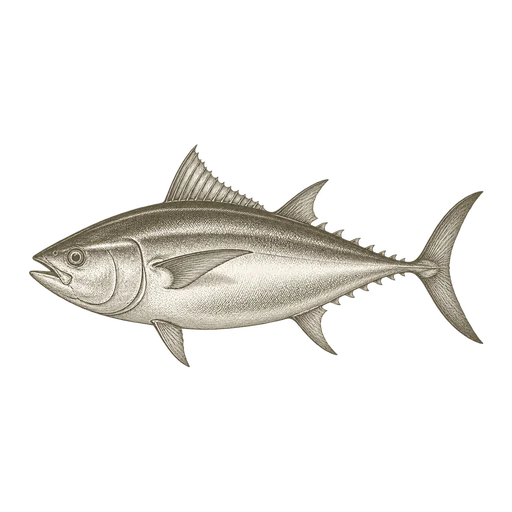
Explore ingredientTuna meal is a dried, ground fish ingredient used in feed formulations, including aquaculture diets. Its raw materials, processing, composition and physical form can differ, so compare lot analysis and handling requirements before arranging a bulk order.
Explore ingredientThis collection covers soybean meal, sunflower meal and tuna meal: protein-rich feed ingredients that are not interchangeable simply because they are sold as meals. Soybean meal is the ground residue after most oil is extracted from soybeans. Sunflower meal comes from whole or dehulled seed, and the degree of hull removal affects its protein and fiber profile.
Tuna meal is fish-derived, but the name alone does not identify whether it comes from whole fish, trimmings or canning byproducts. Processing history matters too. Compare each ingredient using its own identity and lot analysis, not a generic meal description.
For soybean meal, confirm extraction method and whether it is dehulled; processing affects the product’s composition and nutritional value. For sunflower meal, ask about hull retention, any hulls added back and extraction method. Its higher fiber and lower lysine relative to soybean meal can limit some non-ruminant applications.
For tuna meal, establish the raw material and processing history before assessing suitability. Canning-byproduct meal can have been cooked twice, which can affect protein availability and lipid quality. Use species-specific formulation review rather than assuming equivalence with other fish meals.
Keep dry meals protected from moisture, condensation and contamination. For bulk offers, compare the physical form, delivery method and receiving requirements alongside the nutrient analysis. Ask for a current lot certificate of analysis, including the analytical basis, and compare moisture, protein, fat, fiber and ash.
Pay particular attention to lipid condition and oxidation controls for tuna meal: fish meals can be susceptible to oxidation, heat development and loss of protein digestibility. Confirm the lot’s storage guidance and any relevant freshness information rather than assuming all meals need identical handling.
Confirm extraction method, dehulling or hull addition, analytical basis and current lot analysis. A generic protein figure alone does not describe processing quality or the full nutrient profile.
Hull retention and oil-extraction method affect its composition. Ask for the dehulling details and batch analysis, especially for protein and fiber.
No. Ask whether it is made from whole fish, trimmings or canning byproducts, and establish its processing history and lot-specific quality information.
Confirm whether the meal is loose or pelleted, how it will be delivered, what receiving setup it needs and how to protect it from moisture and contamination. For tuna meal, also ask about oxidation controls and storage guidance.
Focused guides to the specification, application, and delivery questions behind this ingredient.
Plan tuna meal receiving around the offered powder or pellet form, your unloading equipment and site constraints. Keep stored material dry and protected from contamination, and account for oxidation risk associated with residual oil.
Read this InsightA practical evaluation framework for tuna meal in aquaculture diets, covering species and life stage, lot-specific nutrient analysis, feed-mill handling and contaminant requirements.
Read this InsightCompare tuna meal lots on a like-for-like analytical basis, then use lot-specific evidence on oxidation, nutrition, hygiene and contaminants to judge fit for your specification.
Read this InsightPlan bulk sunflower meal receipt around the offered form, the facility’s unloading and conveying equipment, and a clean, dry storage destination. Include the delivery location and receiving constraints in your sourcing request.
Read this InsightA practical guide to evaluating sunflower meal for poultry and swine formulations, with attention to fiber, lysine, processing and lot-specific analysis.
Read this InsightCompare sunflower meal lots by reading protein, fiber, residual oil and moisture together. Hull content and as-fed versus dry-matter reporting can change how those results should be interpreted.
Read this Insight