
Independent sourcing. Better connections.Commercial buyers · Bulk ingredients
tag

Dry pulses

A collection of distinct dried pulse ingredients: Black-Eyed Peas and French Green Lentils. Compare product form, applicable inspection details and lot-specific results before bulk purchase.

2 ingredients6 published Insights
EXPLORE THE COLLECTION

Dry pulses ingredients

Pulses

Black-Eyed Peas

Black-eyed peas are mature dry cowpea seeds sourced for human-food markets and processing. Compare whole or processed form, grain condition, moisture context, and the receiving and storage plan before arranging a bulk order.

Explore ingredient
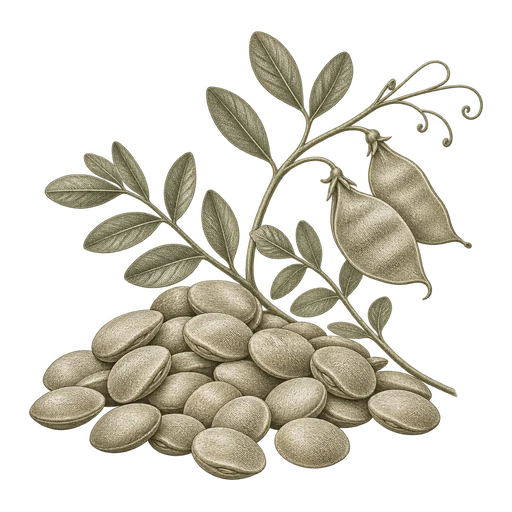
Pulses

French Green Lentils

French green lentils are sold as whole or split lentil seeds for food uses where form, color and cooking characteristics matter. The name does not guarantee French origin or Puy identity, so compare lot identity, physical quality and intended-use requirements when sourcing in bulk.

Explore ingredient

What this dry-pulse collection includes

Dry pulses are dried edible legume seeds, but the ingredients in this collection are different commodities, not interchangeable grades. Black-eyed peas are a type of southern pea, also known as a cowpea. French green lentils are lentils; the name alone does not establish a particular cultivar, origin, size or grade.

The collection currently includes Black-Eyed Peas and French Green Lentils. A collection label does not confirm that either ingredient is available or that a particular lot meets a buyer’s specification.

Compare the product form and lot specification

Start with the form required for the process: confirm whether the lot is whole, split, dehulled or otherwise processed. Do not apply lentil grading terminology to black-eyed peas. For lentils, clarify the stated grade or inspection basis, size, color, moisture, foreign material and damaged or split seed tolerances. Ask whether measurements are percentages by weight and whether results describe the quoted lot.

For either ingredient, request lot-specific sampling or inspection information. A typical specification and an actual lot result are not the same, and requirements should reflect the intended use.

Plan bulk receiving and storage

Moisture control, clean handling and pest management matter for stored pulses. Ask how moisture is measured and reported, how the lot is sampled, and what packaging or bulk-loading format is proposed. Storage conditions should suit the specific commodity, environment, storage duration and intended use; one moisture figure should not be treated as a universal limit for both ingredients.

Common questions.

Are black-eyed peas and French green lentils interchangeable?+

No. They are different pulse commodities, so compare each against its own identity, form and lot specification.

What does “French green” establish about lentils?+

The name alone does not establish a specific grade, size, cultivar, origin or processing form. Confirm those details for the lot.

Which details should I compare when buying bulk dry pulses?+

Confirm product form, inspection or grade basis if applicable, moisture and its measurement basis, foreign material, damaged or split seed tolerances, color, and lot-specific sampling or inspection results.

Can I assume these pulses are suitable for feed or pet food?+

No. Suitability is not established by the collection label. Confirm the intended-use requirements and obtain relevant species- and application-specific documentation.

Dry pulses · BUYER INSIGHTS

Go deeper before you source.

Focused guides to the specification, application, and delivery questions behind this ingredient.

FIELD GUIDE01Dry pulses
Buyer’s guide

Planning receiving and storage for bulk French green lentils

Plan bulk French green lentil orders around the quantity, destination, packaging and receiving setup, then prepare to inspect the lot and protect it from moisture, pests and contamination in storage.

Read this Insight
FIELD GUIDE02Dry pulses
Buyer’s guide

Choosing whole or split French green lentils for food production

Compare whole and split French green lentils by the appearance and texture your finished food requires, then validate cooking behavior with the offered lot and your production process.

Read this Insight
FIELD GUIDE03Dry pulses
Buyer’s guide

How to compare French green lentil grades and lot analysis

Compare French green lentil offers by separating product identity, origin and grade, then reviewing lot-specific results, measurement methods, sampling and inspection records.

Read this Insight
FIELD GUIDE04Dry pulses
Buyer’s guide

Planning Bulk Black-Eyed Peas Receiving and Storage

Plan bulk black-eyed peas receiving around your facility’s packaging workflow, cleaning capacity, processing schedule and storage conditions. Bagged and loose bulk handling require different equipment and staging; moisture context and protection from insects matter while product waits for processing.

Read this Insight
FIELD GUIDE05Dry pulses
Buyer’s guide

How Black-Eyed Peas Storage History Relates to Cooking

Storage history can be relevant to black-eyed pea cooking behavior: cowpeas stored in warm, humid conditions have been associated with reduced water absorption and slower softening. Learn how to use lot-history questions and application-specific sample testing without treating storage conditions as a prediction for an individual lot.

Read this Insight
FIELD GUIDE06Dry pulses
Buyer’s guide

Black-Eyed Peas: Comparing Moisture and Grain Defects

Compare moisture on a clearly stated basis, then assess discoloration, seed damage, foreign material and insect condition against requirements set for your destination and intended use.

Read this Insight