Independent sourcing. Better connections.Commercial buyers · Bulk ingredients
tag

Dehydrated ingredients

This collection groups Potato Flake, Sweet Potato Flakes, and Sweet Potato Powder. They share a dehydration theme, but not necessarily the same crop, processing route, physical form, or performance. For bulk food purchasing, identify the exact form and ingredient statement first, then compare product data on a consistent basis and test a sample in the intended process.

3 ingredients6 published Insights
EXPLORE THE COLLECTION

Dehydrated ingredients ingredients

Starches/Fibers/Proteins

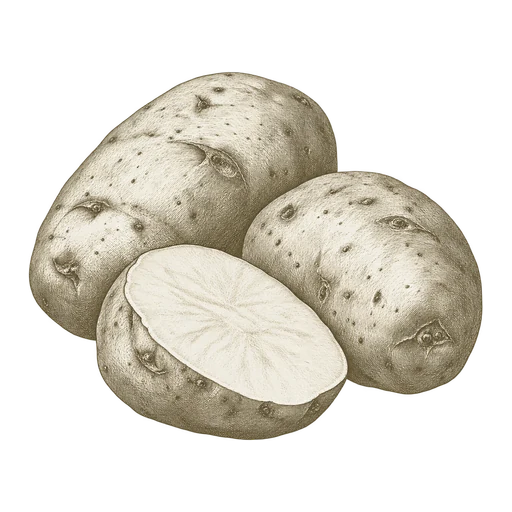
Potato Flake

Potato flakes are cooked, mashed potatoes drum-dried into pieces for use in snacks, soups, sauces, bakery products and other potato foods. Compare flakes with other dehydrated potato forms, then assess the offered lot’s quality measures, preparation guidance and storage requirements.

Explore ingredient
Dried Vegetables

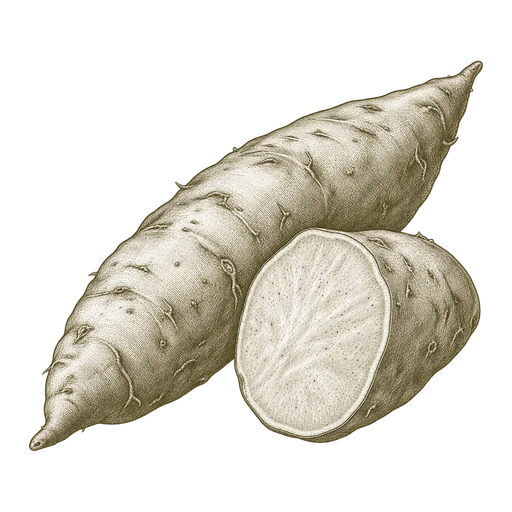
Sweet Potato Powder

Sweet potato powder is a dried, ground root ingredient available through different processing routes, including milled dried root and dried puree. Compare process, color, particle size and functional properties against the needs of your food formulation or feed evaluation.

Explore ingredient

Different crops and physical forms

Dehydrated ingredients describes how a product is processed, not a single interchangeable material. Potato Flake is made from potato; Sweet Potato Flakes and Sweet Potato Powder come from sweet potato. Flakes and powder also differ in particle form, so they may handle and perform differently in a formulation.

Sweet potato powders can be produced through different drying routes, and sweet potato flour properties vary with variety and processing. Do not assume a shared name means the same color, water absorption, or paste behavior.

Match the ingredient to its process

Potato flakes are used for reconstituted potato products. The liquid required and resulting texture can depend on the product, so test hydration and texture under your own preparation conditions rather than relying on a generic ratio.

For a food formulation using sweet potato flakes or powder, evaluate the specific form in the finished product. Depending on the application, useful checks include color, water absorption, rehydration, and paste behavior. Evidence for food uses does not establish that these ingredients are suitable for animal feed or pet food.

Compare bulk offers on a like-for-like basis

Before comparing offers, confirm the exact form, ingredient statement, processing description, and any additives. Review moisture and particle-size information using the stated test methods and measurement basis; results are only useful for comparison when those bases match.

Ask for the technical data sheet and lot-specific analysis, then test a sample in the intended process. Confirm packaging, lot identification, shelf-life basis, and storage guidance for the offered product. Do not transfer storage instructions or limits from a different product specification.

Common questions.

Are potato flakes, sweet potato flakes, and sweet potato powder interchangeable?+

No. They differ by crop and physical form, and processing can affect performance. Test the exact product in the intended recipe or process.

What should I compare when evaluating bulk offers?+

Compare the ingredient statement, form, processing details, moisture and particle-size data, and test methods. Also review packaging, lot identification, and product-specific storage guidance.

Can these ingredients be used in animal feed or pet food?+

The available evidence supports food applications but does not establish feed or pet-food suitability. Confirm intended-market status and species-specific requirements before use.

How should I test sweet potato powder in a formulation?+

Evaluate the particular lot in the intended process. Depending on the application, check color, water absorption, rehydration, paste behavior, and finished-product performance.

Dehydrated ingredients · BUYER INSIGHTS

Go deeper before you source.

Focused guides to the specification, application, and delivery questions behind this ingredient.

FIELD GUIDE01Dehydrated ingredients
Buyer’s guide

Planning bulk receiving and storage for sweet potato powder

Prepare a bulk sweet potato powder order by defining the product, quantity, destination, timing and receiving needs, then plan to keep the dried powder protected from moisture.

Read this Insight
FIELD GUIDE02Dehydrated ingredients
Buyer’s guide

Choosing sweet potato powder for bakery formulations

A practical guide to comparing sweet potato powder for bakery mixes, with attention to process, particle size, color and water interaction—and why formulation trials should use the exact powder intended for purchase.

Read this Insight
FIELD GUIDE03Dehydrated ingredients
Buyer’s guide

How to compare sweet potato powder specifications

Compare sweet potato powder by starting form and processing route, then review color, moisture, particle size and functional tests only where they matter to your process. Consistent methods and lot documents help distinguish product identity from performance requirements.

Read this Insight
FIELD GUIDE04Dehydrated ingredients
Buyer’s guide

Planning bulk receiving and storage for sweet potato flakes

Plan bulk sweet potato flakes receiving by matching the order quantity, delivery details, packaging and storage plan to your facility—and use product-specific handling directions rather than assumptions about dehydrated ingredients.

Read this Insight
FIELD GUIDE05Dehydrated ingredients
Buyer's guide

Sweet potato flakes in food formulations: what to evaluate

A practical framework for evaluating sweet potato flakes in a specific food recipe, from product identity and particle size to sensory testing and manufacturing trials.

Read this Insight
FIELD GUIDE06Dehydrated ingredients
Buyer’s guide

How to compare sweet potato flakes specifications

A practical framework for comparing sweet potato flakes specifications, including ingredient identity, processing, moisture methods, particle-size reporting and sensory descriptions.

Read this Insight