Feed Ingredients
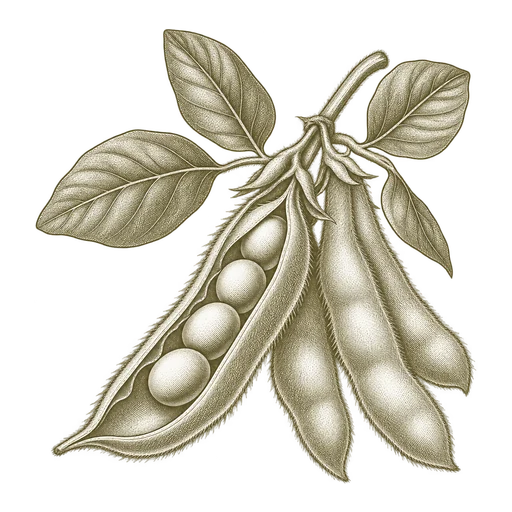
Soybean Meal
A plant protein ingredient for commercial feed programs.
Explore ingredientThis collection links dairy cattle with soybean meal and thistle seed. Soybean meal is a recognized plant-protein feed; “thistle seed” requires closer identification because species and processing form affect what the product is. Compare documented lot characteristics against the needs of the ration.
A plant protein ingredient for commercial feed programs.
Explore ingredientMilk thistle (Silybum marianum) is sourced as whole or ground seed and as processed products such as press cake and meal. Identify the botanical species and form first, then compare lot analysis and receiving needs for the intended feed application.
Explore ingredientSoybean meal is a recognized plant-protein feed for dairy cattle. Its role is not determined by crude protein alone: ration decisions also depend on the cow’s needs and how the protein contributes to nutrient supply, including essential amino acids. Compare a lot’s analysis with the rest of the ration rather than assuming one protein source suits every formulation.
The name can refer to different species and product forms. Whole seed, ground seed, oil, meal, cake or expeller, and extracts are not interchangeable. Research on milk thistle meal—the residue after oil extraction from milk thistle seed—does not establish the feed characteristics of every product called thistle seed.
Milk thistle meal has been evaluated as a potential protein feed, but the evidence does not support treating it as a direct replacement for soybean meal. Differences in fiber and other nutrient characteristics make product identity and ration-specific evaluation important.
For soybean meal or a proposed alternative, request a current lot analysis and review relevant measures with the dairy nutritionist. Depending on the formulation, these may include moisture or dry matter, crude protein, fiber fractions, fat, and protein degradability or amino-acid measures. For thistle products, first establish species, processing method, and whether the specific product is intended for feed use.
Do not assume a one-for-one replacement. Thistle seed labels can describe different species and forms, and evidence on milk thistle meal does not establish equivalence to soybean meal. Have the specific product and its analysis evaluated for the ration.
Confirm the species and whether it is whole or ground seed, oil, meal, cake or expeller, or an extract. These forms have different identities and should not be treated as the same ingredient.
Request a current lot analysis. Depending on ration needs, review moisture or dry matter, crude protein, fiber fractions, fat, and protein degradability or amino-acid measures with the dairy nutritionist.
No. The collection links dairy cattle with soybean meal and thistle seed, but inclusion here does not guarantee current availability.
Focused guides to the specification, application, and delivery questions behind this ingredient.
Plan bulk milk thistle seed receiving around the botanical identity, exact product form, order details, facility constraints, and storage guidance for the offered lot.
Read this InsightA practical framework for evaluating milk thistle meal in dairy cattle rations, from distinguishing product forms to interpreting lot analysis and fitting its nutrients into the complete diet.
Read this InsightA practical comparison of milk thistle seed and meal analyses, covering product form, moisture basis, key composition measures, fiber testing and flavonolignan assays.
Read this InsightA practical pre-shipment guide to coordinating bulk soybean meal delivery, receiving equipment, lot paperwork, sampling and dry, clean storage.
Read this InsightA dairy ration decision starts with the complete diet: forage, animal group, other protein sources, and the nutritionist’s nutrient and amino-acid targets. This checklist explains how to evaluate soybean meal’s role and what offer details to discuss before sourcing.
Read this InsightSoybean meal protein percentages reported as-fed and on a dry-matter basis cannot be compared directly. Align moisture, reporting basis, method information, and the context of each COA before evaluating supplier values.
Read this Insight