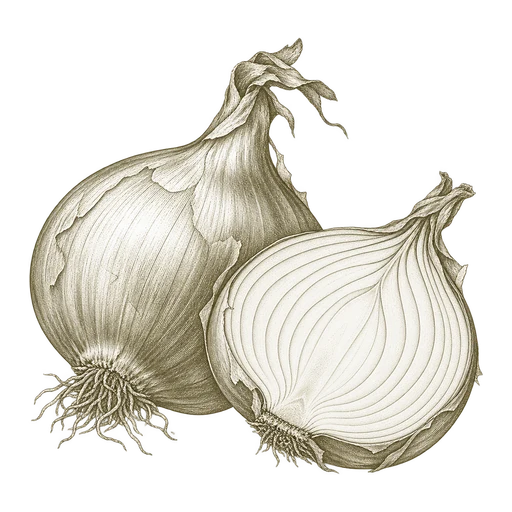
This collection currently features onions. “Cull” describes a condition category, not a uniform product form: a lot may vary in physical damage, processing and degree of deterioration. The label alone does not establish whether onions are whole or chopped, what defects are present, or whether a lot is suitable for a particular end use. For bulk buyers, assess the offered material itself rather than treating cull onions as interchangeable with graded onions for processing or fresh-market use. The
Cull onions are water-rich bulbs rejected from the fresh market, with feed-use evidence specific to particular forms and livestock trials. Compare form, moisture, condition and intended species before arranging a bulk order.
This collection currently features onions. “Cull” describes a condition category, not a uniform product form: a lot may vary in physical damage, processing and degree of deterioration. The label alone does not establish whether onions are whole or chopped, what defects are present, or whether a lot is suitable for a particular end use.
For bulk buyers, assess the offered material itself rather than treating cull onions as interchangeable with graded onions for processing or fresh-market use. Clarify the lot’s condition and intended outlet before comparing offers.
Assessing cull onions for feed
The supported feed application in this collection is beef cattle, where cull onions may be used as one component of a balanced ration. They should not be treated as a complete feed. High onion intake can cause acute onion poisoning, so feeding decisions belong within a ration developed for the animals and their other feed sources.
Moisture matters commercially: reference composition for cull onions is about 10% dry matter, but actual lots vary. Request representative moisture and nutrient analysis, then compare delivered cost per unit of usable dry matter. Transportation and handling can weigh heavily when most of the delivered mass is water.
Define the lot before purchase
Ask about physical form and the defects included, such as soft rot, mold, mechanical damage or other deterioration. Confirm that the material’s condition and analysis fit the intended use, and account for receiving, transport and ration-integration requirements. A “cull” designation is not a feed-safety or suitability guarantee.
Common questions.
Does “cull onion” mean the lot is suitable for cattle feed?+
No. The term describes a variable condition category. Confirm the lot’s defects, physical form and analysis, and evaluate it for the intended animals and ration.
Can cull onions be fed as the whole cattle ration?+
No. They should be used only as one component of a balanced ration, with feeding decisions made for the animals and their complete diet.
Why compare cull onions on a dry-matter basis?+
Cull onions can contain substantial moisture, so price per as-received ton can obscure how much usable dry matter is delivered. Include freight and handling in the comparison.
What should a bulk buyer ask about the lot?+
Confirm physical form, included defects, moisture, representative nutrient analysis, intended use, and delivery and handling assumptions.
Cull produce · BUYER INSIGHTS
Go deeper before you source.
Focused guides to the specification, application, and delivery questions behind this ingredient.