Independent sourcing. Better connections.Commercial buyers · Bulk ingredients
tag

Cowpeas

A focused overview of the Cowpeas collection, whose supplied member is Black-Eyed Peas, with guidance on ingredient identity, food and feed uses, and bulk purchasing considerations.

1 ingredients3 published Insights
EXPLORE THE COLLECTION

Cowpeas ingredients

Pulses

Black-Eyed Peas

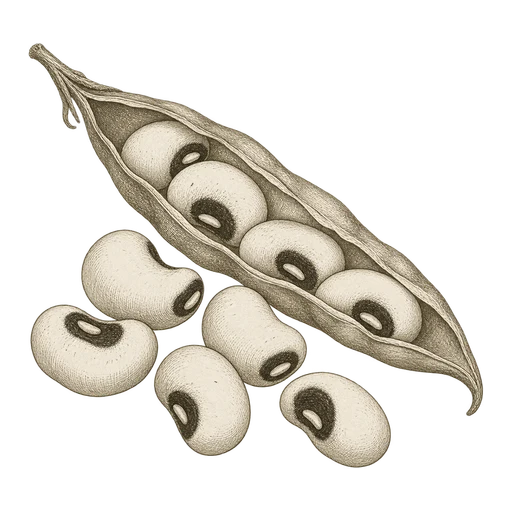
Black-eyed peas are mature dry cowpea seeds sourced for human-food markets and processing. Compare whole or processed form, grain condition, moisture context, and the receiving and storage plan before arranging a bulk order.

Explore ingredient

Cowpeas and black-eyed peas

This collection currently covers Black-Eyed Peas. Black-eyed peas are a type of cowpea (*Vigna unguiculata*), also known in some contexts as southern peas. Cowpea is a broader crop group, so the name alone does not identify every seed type or guarantee that a product is specifically black-eyed peas.

Cowpeas are distinct from green or English peas, which are a different species. Confirm the ingredient’s identity and intended form before comparing specifications or planning its use.

Food and feed uses depend on form

Dry whole cowpeas are used in foods such as soups and stews, and cowpeas can also be processed into flour or other ingredients. Those processed forms are not interchangeable with whole seed: processing changes the ingredient, so match the offered form to your recipe or manufacturing process.

Cowpeas can also be considered for animal feed, but food-use information does not establish feed suitability. For poultry formulations, amino-acid balance and antinutritional factors are relevant considerations; evaluate the actual lot for the target species and ration.

What to check when buying in bulk

Start by confirming whether the product is whole dry seed or another form, and ask for its cowpea type or cultivar when known. For food applications, compare seed size and color, broken or damaged seed, foreign material, moisture, and storage history. Storage conditions matter because cowpeas can develop hard-to-cook characteristics.

For feed use, request a current lot-specific nutrient analysis and have it reviewed for the intended formulation. Align on the specification, required documentation, packaging or delivery format, and quantity before purchase; these terms can vary by lot.

Common questions.

Are black-eyed peas cowpeas?+

Yes. Black-eyed peas are one type of cowpea, but the broader cowpea name includes other seed types. Confirm the specific identity when it matters to your use.

Are cowpeas the same as green peas?+

No. Cowpeas are *Vigna unguiculata*; green or English peas are *Pisum sativum*.

Can cowpeas be used in poultry feed?+

They can be considered as a feed ingredient, but suitability depends on the lot, poultry class, and ration. Review a current nutrient analysis and have the formulation assessed by a qualified nutritionist.

Does the name cowpea guarantee a protein level or cooking quality?+

No. Composition and cooking behavior can vary with type, processing, and storage. Use the offered lot’s specification and, for food use, assess cooking performance where it is important.

Cowpeas · BUYER INSIGHTS

Go deeper before you source.

Focused guides to the specification, application, and delivery questions behind this ingredient.