Independent sourcing. Better connections.Commercial buyers · Bulk ingredients
tag

Chia seed

The Chia seed tag currently contains one catalog ingredient, Chia. For bulk buyers, the key distinction is product form: whole seed is not interchangeable with ground seed, meal, or oil. Define intended use and compare the offered lot’s specification, documentation, packaging, and handling details.

1 ingredients3 published Insights
EXPLORE THE COLLECTION

Chia seed ingredients

Seeds

Chia

Chia is an oilseed sold as whole or milled seed, gel or mucilage, oil, and extraction coproducts. Choose the form around its role in food or feed, and compare product-specific quality measures and handling needs before arranging a bulk shipment.

Explore ingredient

What this collection covers

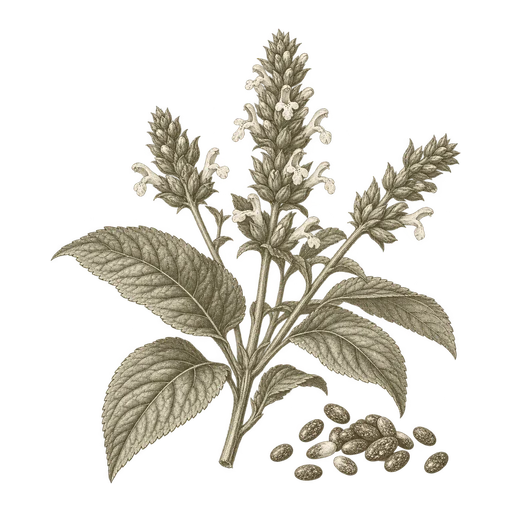
This tag currently groups one catalog ingredient: Chia. Chia is the seed of Salvia hispanica L. Buyers looking for a specific chia-derived ingredient should distinguish the seed from oil, meal, ground seed, and other processed forms; the name “chia” alone does not define a uniform product.

Processing can change chia’s oil, protein, and mucilage properties. Mucilage is the water-binding material associated with the seed’s outer layer, so processing and form can matter when an ingredient is selected for a particular food function.

Choose by form and intended use

Whole seed, ground seed, oil, and meal are distinct ingredients, not automatic substitutes. Food buyers evaluating chia for functional performance should define the needed form and identify the relevant product attributes in their specification. A general ingredient name does not guarantee a particular performance in a recipe or process.

Chia has also been studied in animal diets, including as seed, oil, and processed material. Findings from a particular animal or trial do not establish a general inclusion rate or suitability for another species. Feed buyers should identify the species and formulation purpose before comparing forms.

Compare bulk offers on the same basis

When evaluating offers, state whether the requirement is whole seed or a derivative, the intended market, and any processing requirements. Review the offered lot’s specification and analytical basis against the attributes that matter for the use; do not infer food or feed suitability from the ingredient name alone.

For bulk purchasing, compare packaging, storage guidance, shelf-life information, and lot documentation for the actual product offered. These details can differ with form and handling, so confirm them alongside price and quantity rather than treating all chia products as equivalent.

Common questions.

Is chia seed the same ingredient as chia meal or chia oil?+

No. Whole seed, meal, ground seed, and oil are distinct forms. Specify the form required for your process or formulation.

Can a chia inclusion rate from a poultry study be used in another feed?+

Not as a general recommendation. Study findings apply to defined animals, diets, and conditions; have the target formulation reviewed for its intended species and use.

What should I check when buying chia in bulk?+

Confirm the product form, intended-use documentation, lot specification and analytical basis, packaging, storage guidance, and shelf-life information for the offered product.

Chia seed · BUYER INSIGHTS

Go deeper before you source.

Focused guides to the specification, application, and delivery questions behind this ingredient.