Grains
Alfalfa
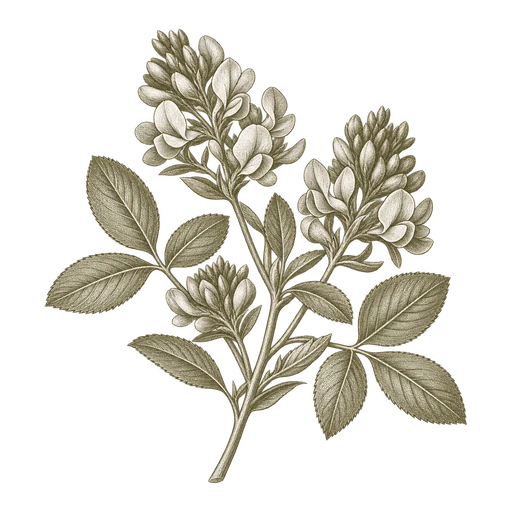
Alfalfa is a forage legume sourced as hay, silage, meal or pellets for livestock feed. Match the form to receiving and ration needs, then compare a lot-specific analysis on a consistent basis.
Explore ingredientA buyer-focused overview of bulk alfalfa, amaranth, corn oil, duck meal and mustard, emphasizing product identity, intended use and appropriate lot-specific specifications.
Alfalfa is a forage legume sourced as hay, silage, meal or pellets for livestock feed. Match the form to receiving and ration needs, then compare a lot-specific analysis on a consistent basis.
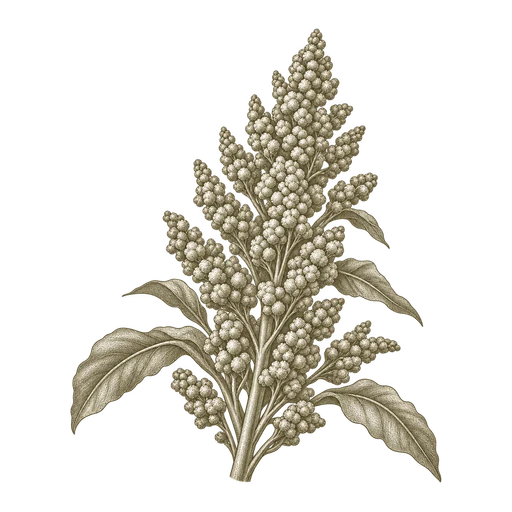
Explore ingredientAmaranth can be sourced as grain, leaf meal or whole-plant forage, and those forms are not interchangeable in feed formulation. Specify the plant material, species and processing method, then compare lot analysis suited to the intended animal and use.
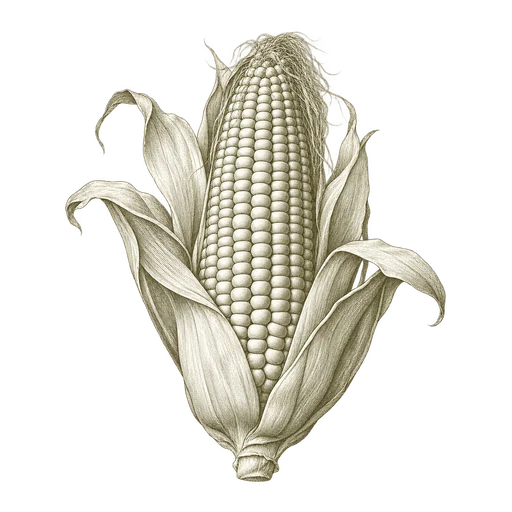
Explore ingredientCorn oil is sourced in distinct forms for edible-oil, feed and industrial uses. Compare the processing description and lot analysis, then match grade, receiving requirements and storage instructions to the intended application.
Explore ingredientDuck meal is a dry-rendered, ground animal ingredient used as a raw material in dog and cat foods. Compare the source tissues, ingredient identity and lot analysis to match the product with formulation and labeling requirements.
Explore ingredientMustard can mean culinary seed, oilseed or oil-extraction meal. Compare species, physical form and processing method first; for meal, review its analysis and glucosinolate profile against the intended feed use.
Explore ingredientBulk ingredient sourcing covers products with different identities and uses. This collection includes alfalfa, amaranth, corn oil, duck meal and mustard: a forage, a grain or pseudocereal, an oil, a rendered animal protein and products that may come from mustard seed. They are not interchangeable, and the product name alone does not establish whether a lot suits a particular food or feed application.
Start by defining the exact form and end use. Amaranth grain is distinct from amaranth foliage or flour; duck meal is distinct from duck meat or meal made from unspecified poultry; and mustard seed, condiment, oil, bran and oil-extraction meal are different products.
The useful analysis depends on what is being purchased. For alfalfa hay, buyers commonly compare crude protein, neutral detergent fiber and acid detergent fiber, and may use relative feed value or relative feed quality. These are not identical measures. For corn oil, establish whether the product is crude, refined or a processing-derived oil before comparing quality results or intended uses.
For duck meal, clarify species identity and rendered-product definition, then compare the nutrient measures relevant to the formulation. For mustard products proposed for feed, confirm the precise form and processing history; compositional and antinutritional considerations depend on the product. Amaranth specifications should identify species and form as well as the intended market.
A useful purchasing specification names the product and form, intended use, analytical measures and test basis, units, and the documentation required for the lot. Add product-specific details: forage analysis and storage history for hay; grade and relevant quality measures for oil; and species, processing and nutrient measures for meal. Confirm packaging or bulk delivery form and storage requirements against the actual product. Lot-specific documents matter because a general ingredient name does not establish a lot’s composition, suitability or commercial terms.
No. Suitability depends on the exact ingredient form, lot and intended market. The names alone do not establish food or feed suitability.
It refers to a dried, ground rendered product in the relevant pet-food ingredient terminology. Confirm the species-specific identity and product definition; duck meal is not the same as duck meat or unspecified poultry meal.
Common comparison measures include crude protein, neutral detergent fiber and acid detergent fiber. Relative feed value and relative feed quality may also be used, but they are calculated differently.
Specify whether you need seed, condiment, oil, bran or oil-extraction meal. These forms differ, and processing history is relevant when evaluating a proposed feed use.
Focused guides to the specification, application, and delivery questions behind this ingredient.
A practical shipment-planning guide to specifying bulk mustard seed or meal, coordinating packaging and unloading, and preparing suitable storage.
Read this InsightA practical framework for identifying mustard meal, interpreting its analysis and assessing glucosinolates in the context of a species-specific feed formulation.
Read this InsightCompare mustard meal specifications on a like-for-like basis: identify the mustard and extraction process, align analytical bases and methods, and interpret glucosinolate results in the context of the intended use.
Read this InsightPlan duck meal receiving by matching order quantity and destination to facility unloading capabilities, packaging and a clean, dry storage arrangement. Confirm handling guidance for the offered lot rather than assuming shipment formats or shelf life.
Read this InsightA practical framework for assessing duck meal identity and analytical data in dog and cat food formulas—without mistaking a single nutrient value for proof of formula suitability.
Read this InsightDuck meal and duck by-product meal signal different ingredient identities, but the names alone do not reveal a product’s full tissue composition. Compare the declared ingredient, written source-tissue description and analysis before treating offers as equivalent.
Read this Insight