Oils/Fats
Olive Oil
Olive oil covers distinct virgin, refined, blended and pomace categories. Match the processing route and sensory requirements to the food use, then compare quality measures and receiving needs for a bulk order.
Explore ingredientBulk food logistics connects ingredients with different physical forms and handling needs, including olive oil, flours, fruit, zucchini and skim milk powder. The collection label does not establish how any specific offer is processed, packaged or transported. Buyers should confirm the lot’s form, loading format, storage instructions and relevant documentation before planning a shipment or comparing offers.
Olive oil covers distinct virgin, refined, blended and pomace categories. Match the processing route and sensory requirements to the food use, then compare quality measures and receiving needs for a bulk order.
Explore ingredientPea flour is milled from dried peas and used in foods including baked goods, pasta, snacks, batters and sauces. Whole-seed, dehulled, fractionated and pregelatinized forms differ in composition and function, so compare processing details and application-relevant specifications.
Explore ingredientPineapple is sourced as whole fresh fruit, processed food ingredients such as juice and pulp, dried fruit, and distinct processing residues. Identify the exact form and preservation state because quality measures, uses and handling differ across these materials.
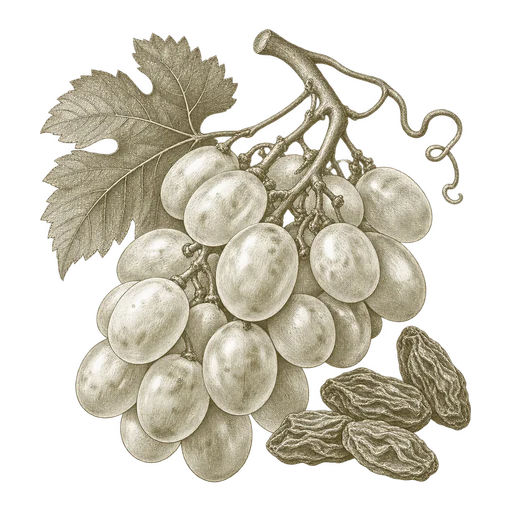
Explore ingredientRaisins are dried grapes used in baking, food manufacturing, confectionery and culinary products. Specify grape category, seed status, drying treatment and preparation to match the fruit to your process.
Explore ingredientBulk raspberries can mean frozen whole fruit or a distinct processing by-product such as raspberry pomace. Identify the form first, then compare quality criteria or analysis suited to its intended use.
Explore ingredientRed lentil flour is a milled human-food ingredient whose seed form, particle size and processing history affect how it performs in formulations. Compare those characteristics with your application and specify the quality information, packaging and delivery details needed for a bulk order.
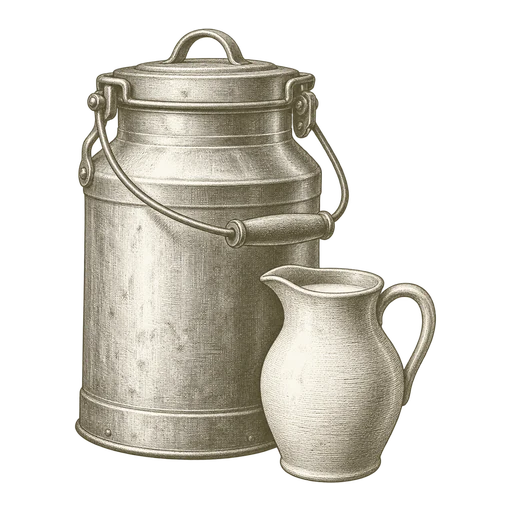
Explore ingredientA milk-based powder for commercial food manufacturing.
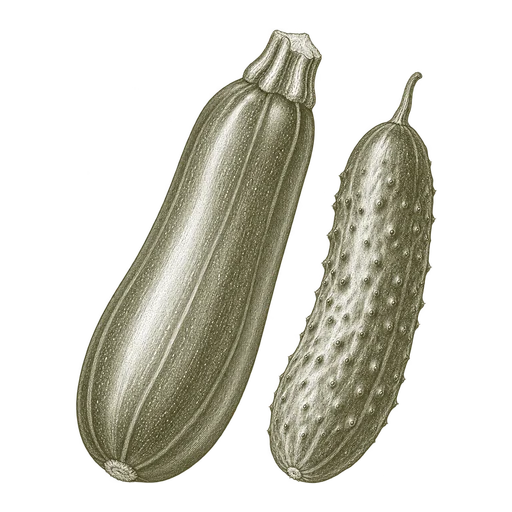
Explore ingredientZucchini is an immature summer squash used in human-food products as fresh fruit, frozen or canned slices, and dried pieces. Choose the form, maturity or cut, and handling requirements to fit the recipe and receiving setup.
Explore ingredientBulk food logistics covers the practical movement and handling of ingredients, but these members do not share a single transport method or storage requirement. Olive oil is a liquid; pea flour, red lentil flour and skim milk powder are powders; raisins are dried fruit. The names Pineapples, Raspberries and Zucchini do not establish whether a particular offer is fresh, frozen, dried or otherwise processed.
That distinction shapes the logistics plan. Confirm the exact form and packaging or loading format for each offer before comparing transport needs. Do not assume all produce requires refrigeration, or that every named product is shelf-stable.
Ask for the product-specific storage and transport instructions, including any temperature requirements. Fresh produce and processed forms can have different handling needs; even pineapple storage recommendations vary with ripeness. Apply instructions to the specific product and condition, not to a broad ingredient name.
For bulk vehicles or shared equipment, clarify equipment suitability, cleaning, prior cargo and how the load will be protected from contamination. Establish which party handles each check. These details matter alongside whether the product travels in a tank, container, bag or another format.
Request a current specification and lot identification, plus applicable test results and packaging details. Quality measures should fit the product and intended use: a dried fruit specification is not interchangeable with one for fresh produce, flour or oil. Confirm that records describe the offered lot rather than only a general ingredient type.
When skim milk powder is involved in human-food production, verify its milk allergen declaration and ask for relevant cross-contact information. These checks are product- and use-specific; they should not be inferred from a collection label.
No. The collection label does not establish packaging or loading format. Confirm whether each offer is bagged, containerized, tank-loaded or supplied another way.
The names alone do not establish product form or temperature needs. Ask whether each offer is fresh, frozen, dried or otherwise processed, then follow its product-specific handling instructions.
Confirm equipment suitability, cleaning, prior cargo, contamination protections and who is responsible for each check.
Request the lot identification, current product specification, applicable test results, packaging details and storage instructions. Check that the documents describe the offered lot.
Focused guides to the specification, application, and delivery questions behind this ingredient.
Fresh, frozen, canned and dried zucchini call for different receiving and storage plans. Match packaging, unloading and destination storage to the selected form, and follow the specific offer’s instructions rather than assuming a guaranteed shelf life.
Read this InsightA practical guide to matching dried zucchini cut size, moisture information and preparation to the recipe and finished texture required in soups, stews and casseroles.
Read this InsightA form-specific guide to comparing fresh, cut and dried zucchini quality, including maturity, condition, cut dimensions and moisture considerations.
Read this InsightA practical logistics guide to packaging, receiving, storage protection, lot records and inspection when planning a bulk skim milk powder shipment.
Read this InsightA practical guide to evaluating skim milk powder in bakery recipes, from incorporation and browning considerations to a controlled formulation trial.
Read this InsightA practical comparison of skim milk powder specifications and lot certificates, with attention to the values, methods and product distinctions that matter when evaluating supplier offers.
Read this Insight