Independent sourcing. Better connections.Commercial buyers · Bulk ingredients
tag

Aquaculture

A focused aquaculture ingredient collection featuring tuna meal, with buyer guidance on evaluating feed suitability, reviewing lot analysis and planning bulk handling.

1 ingredients3 published Insights
EXPLORE THE COLLECTION

Aquaculture ingredients

Animal Products

Tuna Meal

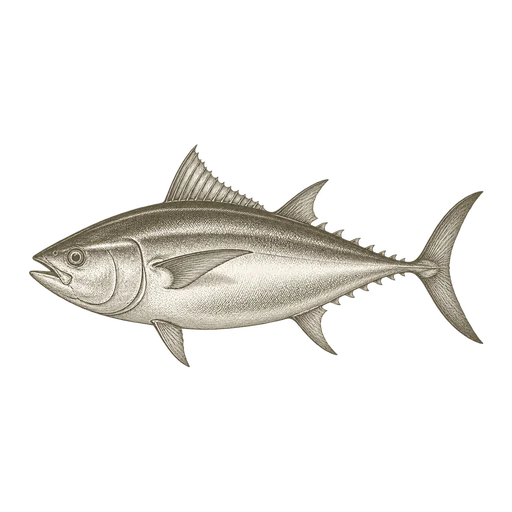
Tuna meal is a dried, ground fish ingredient used in feed formulations, including aquaculture diets. Its raw materials, processing, composition and physical form can differ, so compare lot analysis and handling requirements before arranging a bulk order.

Explore ingredient

What this aquaculture collection covers

This collection connects aquaculture buyers with bulk ingredients relevant to fish-feed formulation. It currently includes Tuna Meal, a fish-derived meal that can be evaluated as a protein ingredient in formulated aquafeeds. The collection is intentionally focused: a single listed ingredient is not a complete feed program, and its presence here does not establish current availability.

The name alone does not specify whether a tuna meal lot comes from whole fish, processing by-products or a blend. Those raw materials should not be treated as nutritionally interchangeable without composition data. Ask for a clear ingredient description alongside the lot’s analysis.

Evaluate the meal for the target species

Tuna by-product meal has been studied in diets for particular farmed fish species, but those examples do not establish a universal inclusion rate or suitability across aquaculture. Evaluate the material against the target species and life stage, the existing diet, and the feed-manufacturing process. A qualified aquafeed formulator can assess how it fits the ration.

Request a current certificate of analysis and check whether values are reported as-fed or on a dry-matter basis. Crude protein is only one part of the decision; lipid, ash, moisture, salt and particle size can also matter. Ask for additional digestibility, amino-acid, oxidation or safety testing where the formulation or market requires it.

Plan bulk handling and lot review

Fish meal may be shipped in bags or bulk. Meal containing residual oil can be vulnerable to oxidation, while moisture can compromise storage quality. Confirm the lot’s packaging, handling instructions, antioxidant treatment and recommended storage conditions before planning receipt and use.

Before committing to a bulk purchase, compare lot documentation with your feed specification and production requirements. Confirm the raw-material definition, test methods, analysis basis and any required contaminant or microbiological results. General fish-meal reference values are not a guaranteed specification for tuna meal.

Common questions.

Does tuna meal suit every farmed fish species?+

No universal suitability or inclusion rate is established. Assess the lot for the target species, life stage and diet with a qualified feed formulator.

Is tuna meal always made from tuna processing by-products?+

No. The product name alone does not define the raw material. Request a written description stating whether the meal comes from whole fish, processing by-products or a blend.

Which analysis should I review for aquafeed use?+

Start with a current lot-specific analysis and confirm whether results are as-fed or dry matter. Review protein, lipid, ash, moisture, salt and particle size, and request other tests required by your formulation or market.

How should bulk tuna meal be stored?+

Keep it dry and follow the lot-specific handling instructions. Confirm packaging, storage conditions and antioxidant treatment, since residual oil can oxidize and moisture can affect meal quality.

Aquaculture · BUYER INSIGHTS

Go deeper before you source.

Focused guides to the specification, application, and delivery questions behind this ingredient.