Independent sourcing. Better connections.Commercial buyers · Bulk ingredients
tag

Apple pomace

Apple pomace is the pulpy residue left after apples are processed, not another name for whole apples. This collection relates the topic to Apples, the source fruit. Buyers comparing apple-processing residues should distinguish fresh, pressed, dried and ensiled material, since form affects moisture, preservation and handling. The supplied member list does not identify a specific pomace product or grade.

1 ingredients3 published Insights
EXPLORE THE COLLECTION

Apple pomace ingredients

Dried Fruits

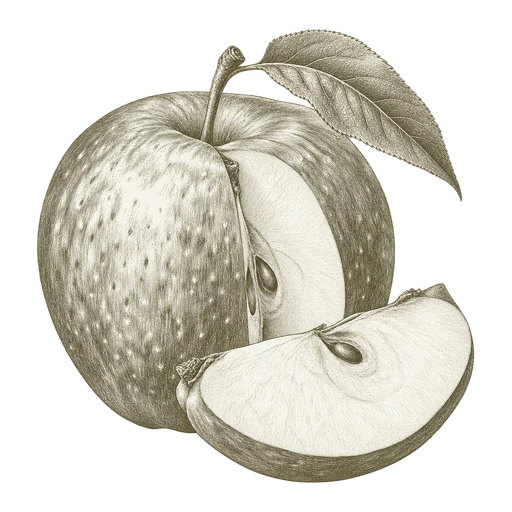
Apples

Bulk apples can mean whole fruit, culled apples, dried forms or apple pomace—the residue from pressing apples. Specify the form and intended use first, then compare grade or lot analysis, preservation, receiving needs and storage requirements.

Explore ingredient

What this collection includes

Apple pomace is the pulpy residue left after apples are processed, such as during pressing. Depending on the process, it can include flesh, peel, cores, seeds, stems and remaining juice. Whole apples are the source fruit, not pomace, so the two terms are not interchangeable.

The supplied related ingredient is Apples. It identifies the fruit associated with this topic; it does not establish that an apple-pomace product, a particular processing form or a specific grade is represented in the collection.

Compare form, moisture and intended use

Apple pomace can be fresh, dried or ensiled. These forms differ in moisture, preservation and handling needs: fresh material is wet and bulky, while drying or ensiling helps preserve it. Compare the material in its offered form and consider dry matter when evaluating value or feed composition.

For feed evaluation, the ingredient name alone does not establish nutritional value. Ask for a representative, recent analysis with its reporting basis, and consider moisture or dry matter, protein, fiber, ash and energy in relation to the intended ration. Feed use evidence does not establish suitability for human food or pet food.

Match purchase details to the material

Before comparing offers, clarify whether the material is fresh, pressed, dried or ensiled, how it has been stored, and what analysis is available. For ensiled material, discuss preservation and signs of spoilage; for dry material, clarify particle size and whether anything has been added. These details help distinguish materials that otherwise share the same broad name.

Choose evaluation criteria around the actual end use and receiving setup. Moisture, preservation form and storage history affect transport and handling as well as feed assessment; there is no single universal acceptance specification for every use.

Common questions.

Is apple pomace the same as whole apples?+

No. Pomace is the residue left after fruit processing. Apples are the source fruit, not a pomace product.

Which apple-pomace forms should buyers compare?+

Clarify whether material is fresh, pressed, dried or ensiled. The forms differ in moisture, preservation and handling requirements.

Can feed composition be inferred from the name apple pomace?+

No. Composition can vary. Use a recent representative analysis and assess it for the intended species and ration.

Does livestock-feed use establish suitability for food or pet food?+

No. Feed use does not establish suitability, processing controls or regulatory status for those separate uses.

Apple pomace · BUYER INSIGHTS

Go deeper before you source.

Focused guides to the specification, application, and delivery questions behind this ingredient.