Independent sourcing. Better connections.Commercial buyers · Bulk ingredients
tag

Alternative proteins

A focused guide to two black soldier fly larval ingredient forms—ground meal and dried whole or cut larvae—and the composition, documentation and formulation details bulk buyers should compare.

2 ingredients6 published Insights
EXPLORE THE COLLECTION

Alternative proteins ingredients

What this collection covers

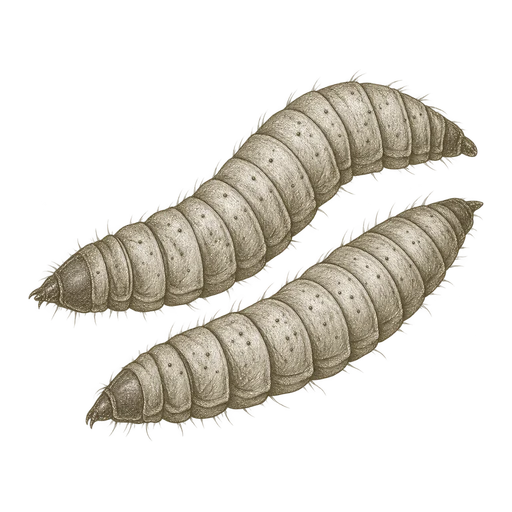
This tag groups two bulk ingredient forms made from black soldier fly larvae: Black Soldier Fly Larvae Meal and Dried Black Soldier Fly Larvae. The collection is focused on animal-feed and pet-food contexts. These are related ingredients, but the form and processing matter: dried larvae retain a whole or cut form, while meal is ground.

The tag is a useful starting point for comparing forms, not a guarantee of availability or a claim that the products are interchangeable. Suitability depends on the intended species, formulation and offered product details.

Meal and whole larvae are different buying choices

Meal fits formulations that call for a ground ingredient; ask for particle-size information and whether it is full-fat or defatted. The word “meal” alone does not establish residual fat or nutrient composition. Dried larvae preserve a larger physical form, so confirm whether the offer is whole or cut and whether that form works with your mixing and feeding process.

For either form, compare moisture, crude protein, crude fat and ash using the same analytical basis—such as as-fed or dry matter. Rearing substrate and processing can affect composition, so the ingredient name is not a substitute for lot-specific analysis.

Check the fit before purchasing

Ask for documentation of the rearing substrate and verify that it is appropriate for the intended feed use and destination. Confirm product identity, labeling and any relevant safety or traceability records for the offered lot. For pet food or species-specific diets, have the formulator assess suitability for the target species and life stage rather than assuming evidence for one use applies to another.

Storage requirements and shelf life depend on the product and its supporting data. Review the lot’s moisture or water-activity information, packaging and stated storage instructions before planning bulk handling.

Common questions.

How does black soldier fly larvae meal differ from dried larvae?+

Meal is ground and may be full-fat or defatted; dried larvae remain whole or cut. Confirm form, particle size where relevant, and residual fat rather than inferring them from the product name.

Which analyses should buyers compare?+

Start with moisture, crude protein, crude fat and ash, including units and whether results are reported as-fed or on a dry-matter basis. Compare results on the same basis and request lot-specific analysis.

Does the tag establish suitability for a particular animal or pet food?+

No. Confirm the product’s intended use, labeling and supporting documentation for the destination, and have the formulator assess fit for the target species and life stage.

What should buyers confirm about rearing substrate?+

Ask what substrate was used and verify its suitability for the intended feed use and destination. Substrate can affect nutrient composition.

Alternative proteins · BUYER INSIGHTS

Go deeper before you source.

Focused guides to the specification, application, and delivery questions behind this ingredient.

FIELD GUIDE01Alternative proteins
Buyer’s guide

Receiving and storing dried black soldier fly larvae

Plan dried black soldier fly larvae receiving around the form your process uses, your facility’s unloading limits and the lot’s storage directions. Drying does not eliminate storage-related changes to fat quality.

Read this Insight
FIELD GUIDE02Alternative proteins
Buyer’s guide

Dried black soldier fly larvae in poultry feed formulation

Dried black soldier fly larvae can enter poultry formulations in different physical forms and with different fat content. Compare the exact product’s lot analysis and evaluate it within the complete diet for the intended poultry type rather than applying a universal inclusion recommendation.

Read this Insight
FIELD GUIDE03Alternative proteins
Buyer’s guide

How to compare dried black soldier fly larvae analysis

Learn how to compare dried black soldier fly larvae analyses by aligning moisture basis, protein and fat methods, and distinguishing full-fat from partly defatted material.

Read this Insight
FIELD GUIDE04Alternative proteins
Buyer’s guide

Planning receiving and storage for black soldier fly larvae meal

Prepare to receive bulk black soldier fly larvae meal by matching quantity, packaging and unloading plans to your site, then follow storage instructions supplied for the specific lot.

Read this Insight
FIELD GUIDE05Alternative proteins
Buyer’s guide

How to evaluate black soldier fly larvae meal for aquaculture feed

A practical formulation-focused review of black soldier fly larvae meal for aquaculture feed, including product form, nutrient analysis and questions to resolve with a nutritionist.

Read this Insight
FIELD GUIDE06Alternative proteins
Buyer’s guide

Which specifications matter for black soldier fly larvae meal?

Compare black soldier fly larvae meal by processing type and analytical basis. Learn how protein, fat, moisture, ash and fiber inform a like-for-like specification review.

Read this Insight